

When choosing a shed, most people focus on size, material, or color. However, one of the most important but often overlooked factors is the roof design.
Different shed roof styles not only affect how the shed looks, but also influence durability, water drainage, storage space, and suitability for different weather conditions. Understanding the differences can help you choose a shed that performs better and lasts longer in your specific environment.
Table of Contents:[hide]
Why Shed Roof Design Matters
The roof is one of the most important structural elements of a shed. It plays a key role in protecting the interior and maintaining long-term durability.
A well-designed roof helps with effective water drainage, preventing rainwater from pooling and reducing the risk of leaks. It also improves snow shedding in colder climates, reducing structural pressure during winter.
In addition, roof design affects interior space. Some styles allow for higher ceilings and better vertical storage, while others are more compact and space-efficient. Finally, the roof also contributes to the overall appearance of the shed and how well it blends into your backyard or property.
Main Types of Shed Roofs
There are several common shed roof styles, each with its own advantages and ideal use cases.
Flat Roof Shed
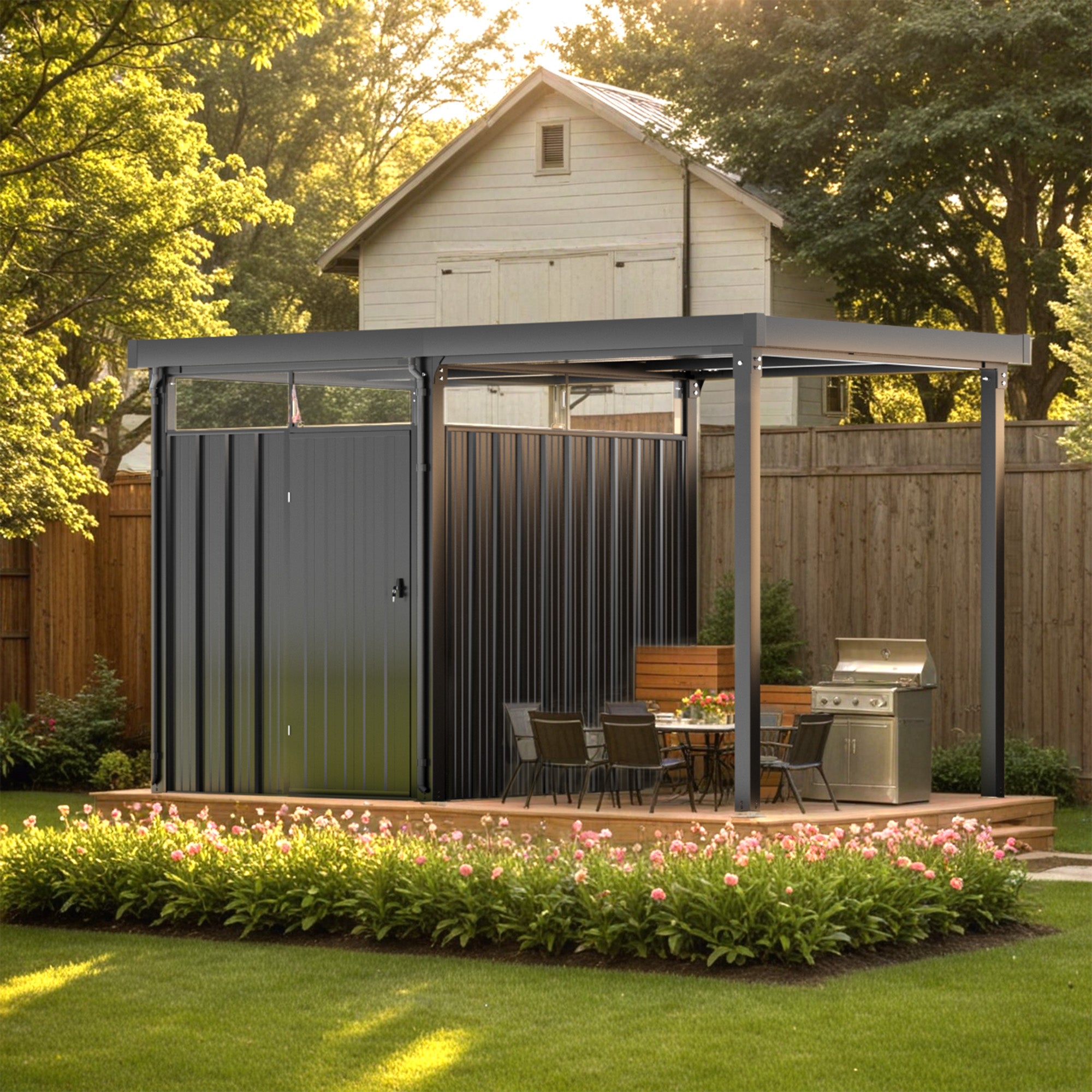
A flat roof shed features a simple, horizontal roof design that is slightly angled for basic drainage.
This style is often used for modern or compact shed designs. It is cost-effective and works well in smaller spaces where height is limited. However, it may not perform as well in heavy rain or snow compared to steeper roof styles.
Flat roofs are ideal for light storage use and minimalist backyard layouts.
Gable Roof Shed
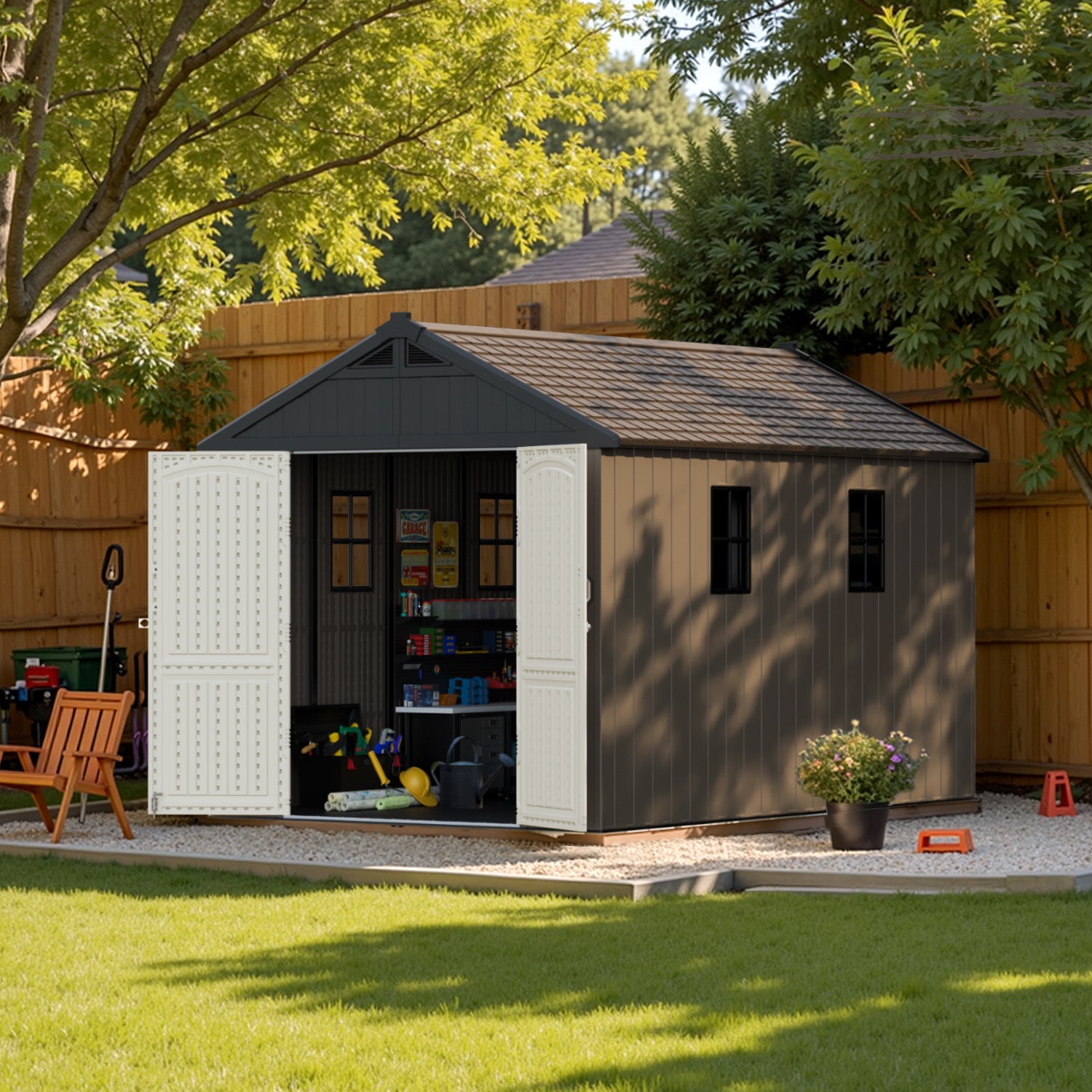
A gable roof is one of the most common shed roof styles, featuring two sloping sides that meet at a central ridge.
This design provides excellent water drainage and snow shedding, making it suitable for a wide range of climates. It also creates additional vertical space inside the shed, allowing for better storage organization.
Because of its balanced structure and classic appearance, the gable roof is a popular choice for most residential sheds.
Lean-To / Slanted Roof Shed
A lean-to roof, also known as a slanted or skillion roof, features a single sloping surface.
This design is often used when a shed is built against a wall or fence. It is simple, efficient, and works well in narrow or limited spaces. The sloped structure helps direct water runoff in one direction.

Patiowell 5x4 Plastic Storage Shed, Grey
Lean-to sheds are ideal for tool storage, small equipment, or areas where space efficiency is more important than maximum storage volume.
Gambrel Roof Shed
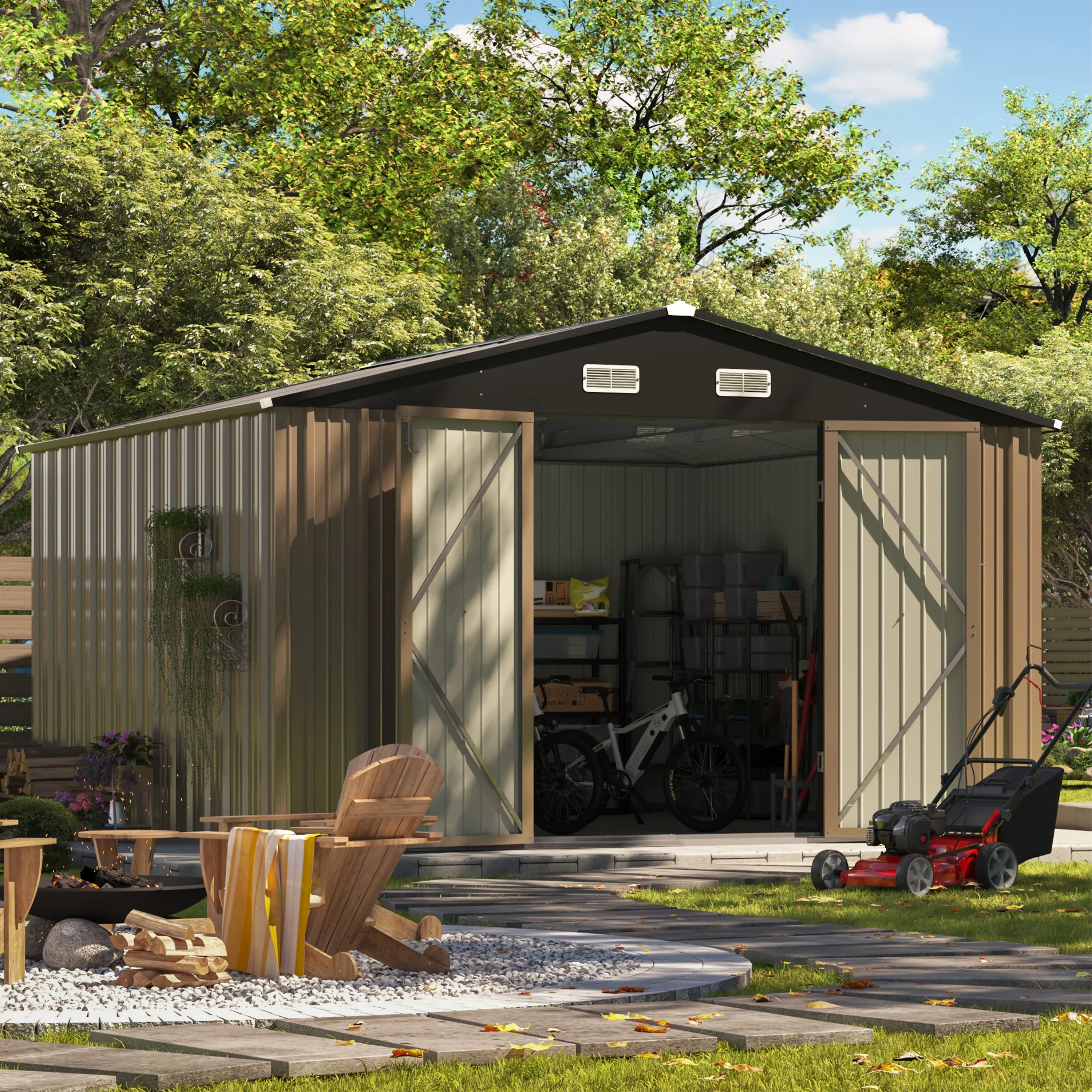
A gambrel roof, often seen on barn-style sheds, features two slopes on each side. The lower slope is steeper, while the upper slope is more gradual.
This design maximizes interior space, especially in the upper portion of the shed. It allows for more vertical storage and is often used for larger storage needs or workshop-style sheds.

Patiowell 10x12 Barn Style Metal Shed with Gambrel Roof
Gambrel roofs also have a distinctive traditional appearance, making them visually appealing in many backyard settings.
How to Choose the Right Roof Style
Choosing the right shed roof depends on your specific needs and environment.
If you live in an area with heavy rain or snow, a gable or gambrel roof is usually a better option due to improved drainage and load resistance. For smaller spaces or simple storage needs, a flat roof or lean-to design may be more practical.
You should also consider how you plan to use the shed. If vertical storage or a workspace is important, a roof style with more interior height will be more suitable. Finally, aesthetic preference also plays a role, as the roof design impacts the overall look of your backyard.
Conclusion
Shed roof design is more than just an aesthetic choice—it directly affects performance, durability, and usability.
Understanding the differences between flat, gable, lean-to, and gambrel roofs can help you choose a shed that better fits your space, climate, and storage needs. By selecting the right roof style, you can ensure your shed performs well and remains a reliable part of your outdoor space for years to come.
Diana Mason
Hi there! I’m Diana Mason, the chief editor of Patiowell brand. With over 15 years of diving deep into the world of outdoor furniture, I’ve developed a keen eye for what makes outdoor spaces truly special. I love sharing tips and inspiration to help you create your perfect backyard retreat. Our blog is a reflection of my passion and expertise, featuring only the best pieces that I personally vouch for. Thanks for stopping by—I can't wait to help you transform your outdoor living space!

Leave a comment
All comments are moderated before being published.
This site is protected by hCaptcha and the hCaptcha Privacy Policy and Terms of Service apply.