
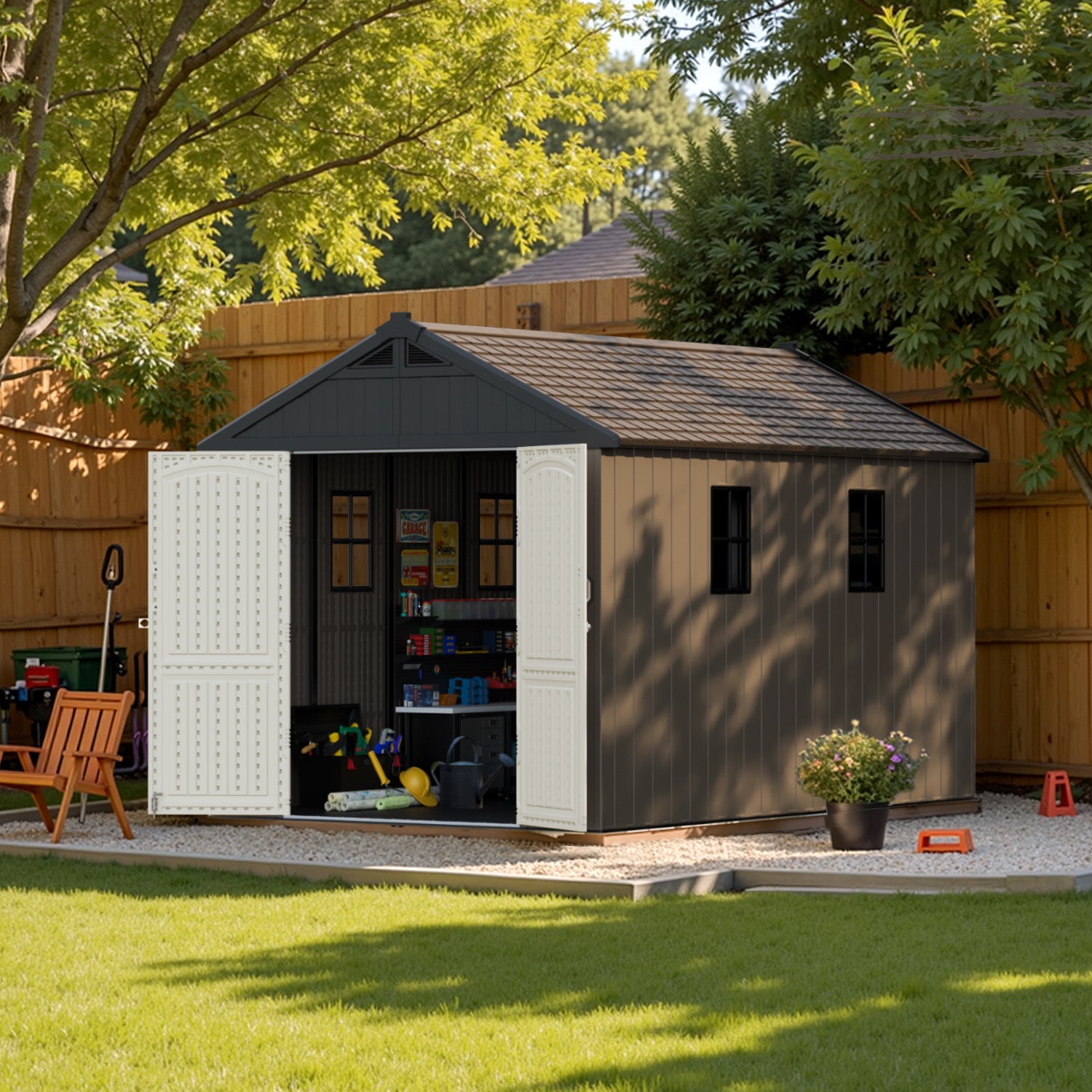
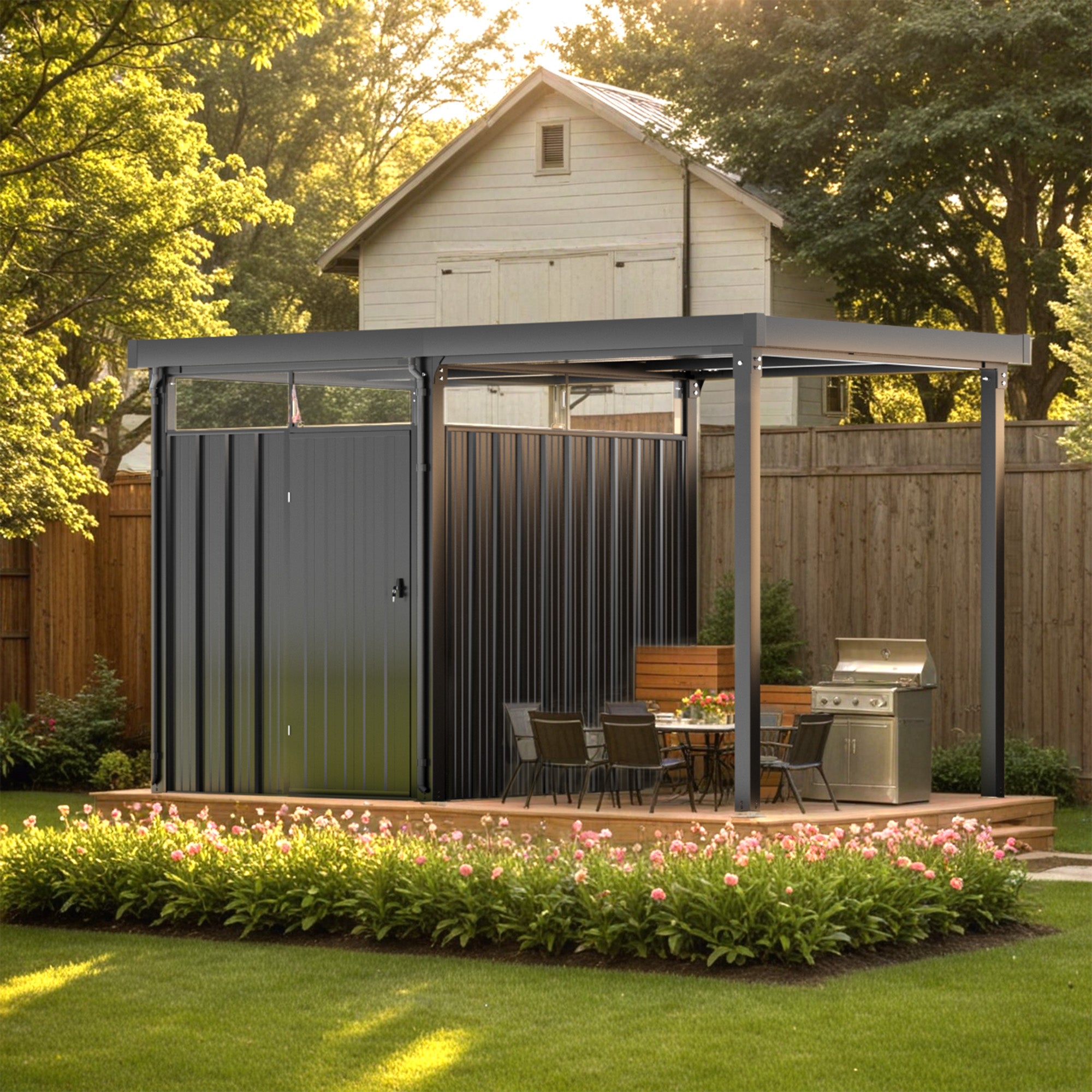
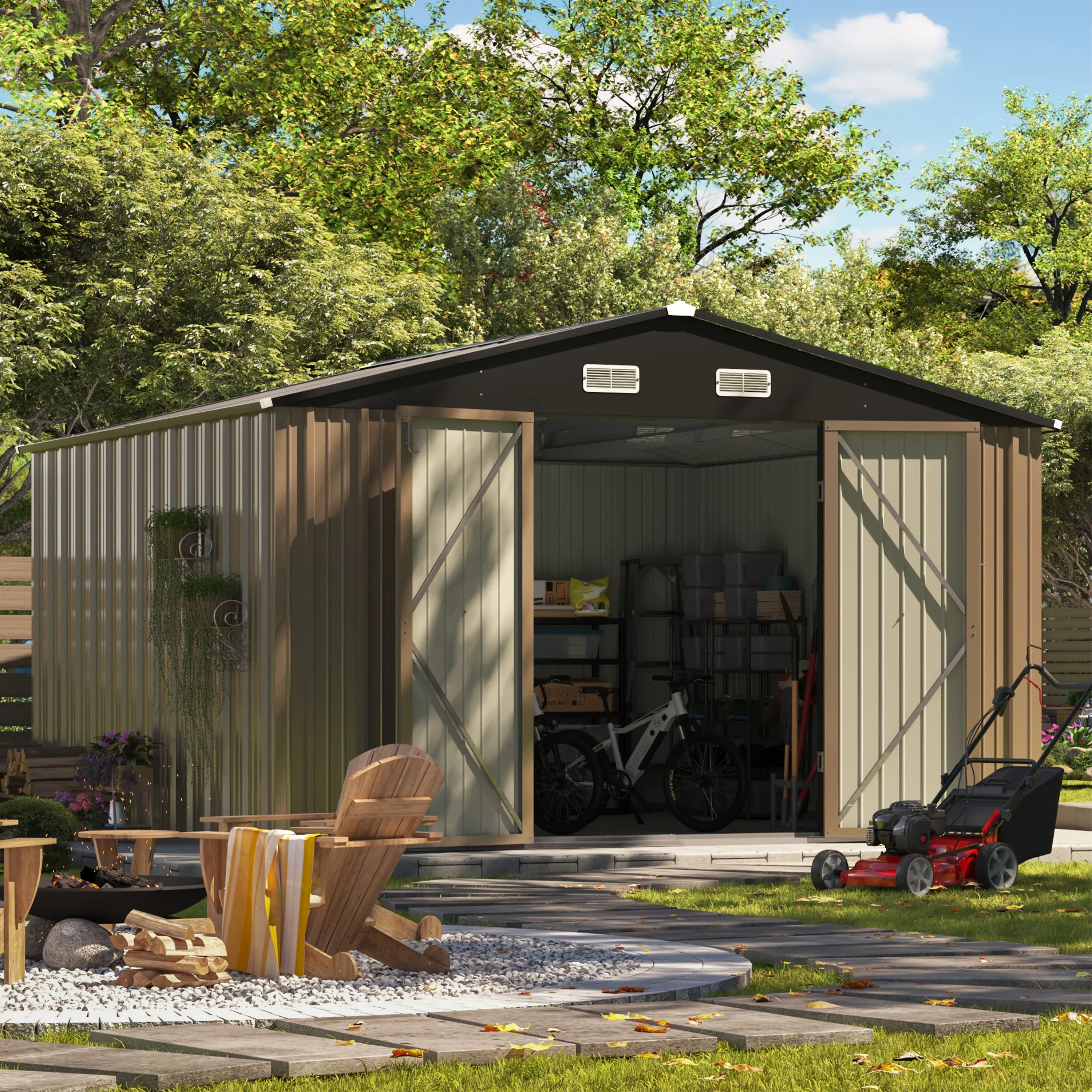

When installing a shed, many homeowners consider placing it directly on grass because it seems quick, simple, and cost-effective. For small sheds or temporary setups, this may appear to work at first. However, while placing a shed on grass is technically possible, it may lead to problems over time depending on the size of the shed, the condition of the ground, and the local climate.
Before setting up a shed on grass, it is important to understand the potential risks and whether a more stable base might be a better long-term solution.
Table of Contents:[hide]
Why People Put Sheds Directly on Grass
One of the main reasons people place sheds directly on grass is convenience. It avoids the time and cost involved in building a gravel or concrete base, making installation much faster.
For lightweight or temporary sheds, grass can seem like a practical surface, especially if the ground already appears level. Some homeowners also choose this option when they are unsure about the shed’s permanent location and want flexibility to move it later.
Problems with Placing a Shed on Grass
Uneven Ground and Settling
Grass may look level on the surface, but the soil underneath can shift over time. Rain, foot traffic, and changing weather conditions can cause certain areas to sink more than others.
As the shed settles unevenly, doors may stop closing properly, walls can become misaligned, and pressure may build up on specific sections of the floor or frame.
Moisture and Drainage Issues
Grass naturally retains moisture, especially after rain or watering. When a shed sits directly on wet ground, moisture can become trapped underneath the structure.
Over time, this damp environment may increase the risk of mold, mildew, rust, or floor damage. Poor drainage can also shorten the lifespan of the shed and affect the condition of items stored inside.
Grass and Weed Growth
Placing a shed directly on grass does not stop vegetation from growing underneath it. Grass and weeds can continue to spread beneath the shed, making maintenance difficult and reducing airflow under the structure.
Limited airflow combined with trapped moisture can create an even wetter environment over time.
When Putting a Shed on Grass Might Work
In some situations, placing a shed directly on grass may still be acceptable. Small and lightweight sheds used for temporary storage are less likely to experience major structural problems right away.
This setup may also work better in areas with dry climates, level ground, and good natural drainage. However, even in these conditions, regular monitoring is important to check for shifting or moisture buildup.
Better Alternatives to Grass
Gravel Base
A gravel base is one of the most common shed foundation options. It provides better drainage while creating a more stable and level surface for the shed.
Concrete Base
Concrete offers maximum stability and durability, especially for larger sheds or sheds used for heavy storage. It also helps reduce movement and moisture problems over time.
Pavers
Pavers create a clean and level foundation while allowing some drainage between sections. They are often a practical choice for medium-sized backyard sheds.
Conclusion
A shed can technically be placed directly on grass, but it is usually not the best long-term solution. Problems such as uneven settling, trapped moisture, and poor drainage may eventually affect the shed’s stability and durability.
Using a proper shed base can improve support, airflow, and drainage while helping extend the life of the structure. The best option depends on the size of the shed, the condition of the ground, and how the shed will be used over time.
Diana Mason
Hi there! I’m Diana Mason, the chief editor of Patiowell brand. With over 15 years of diving deep into the world of outdoor furniture, I’ve developed a keen eye for what makes outdoor spaces truly special. I love sharing tips and inspiration to help you create your perfect backyard retreat. Our blog is a reflection of my passion and expertise, featuring only the best pieces that I personally vouch for. Thanks for stopping by—I can't wait to help you transform your outdoor living space!


Leave a comment
All comments are moderated before being published.
This site is protected by hCaptcha and the hCaptcha Privacy Policy and Terms of Service apply.