
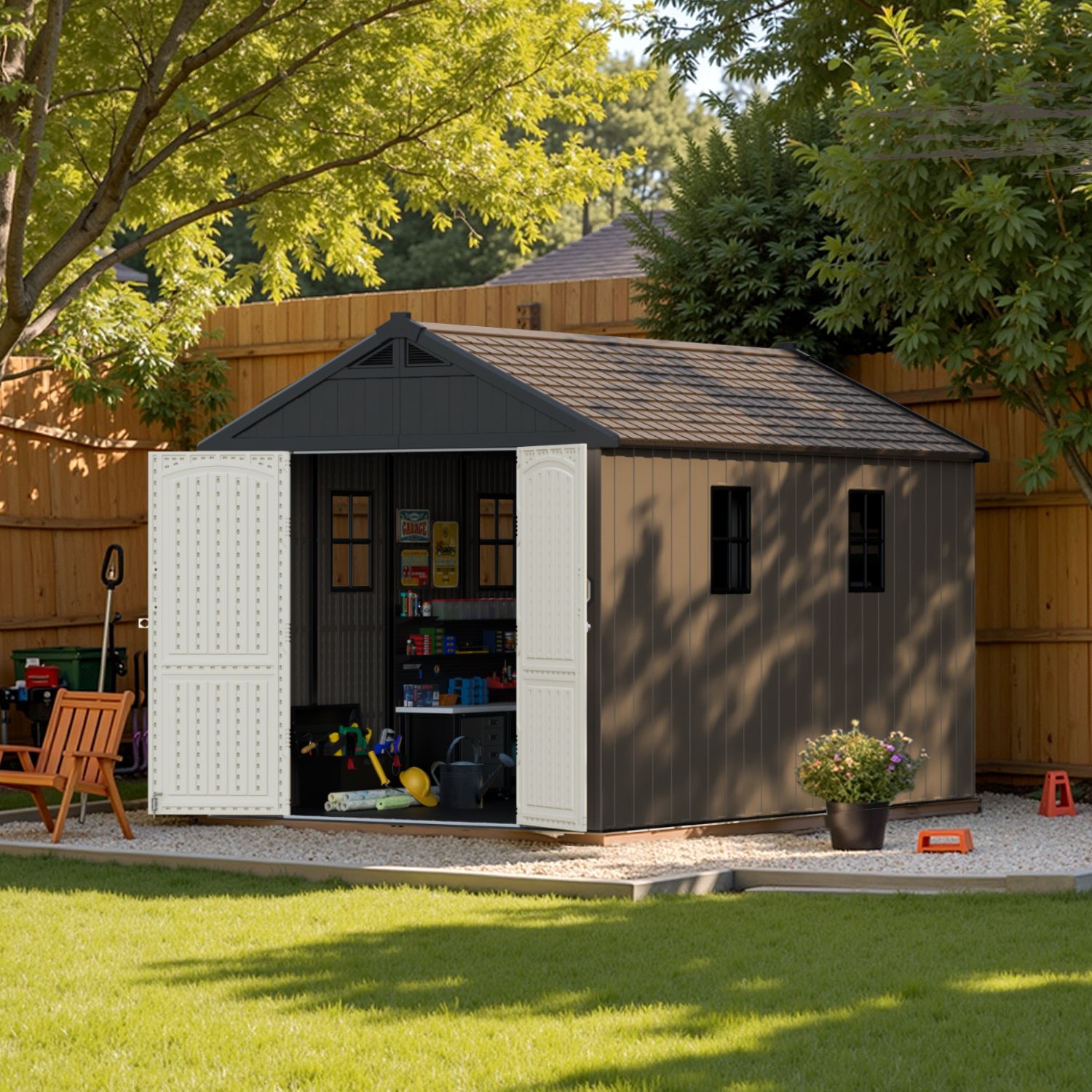
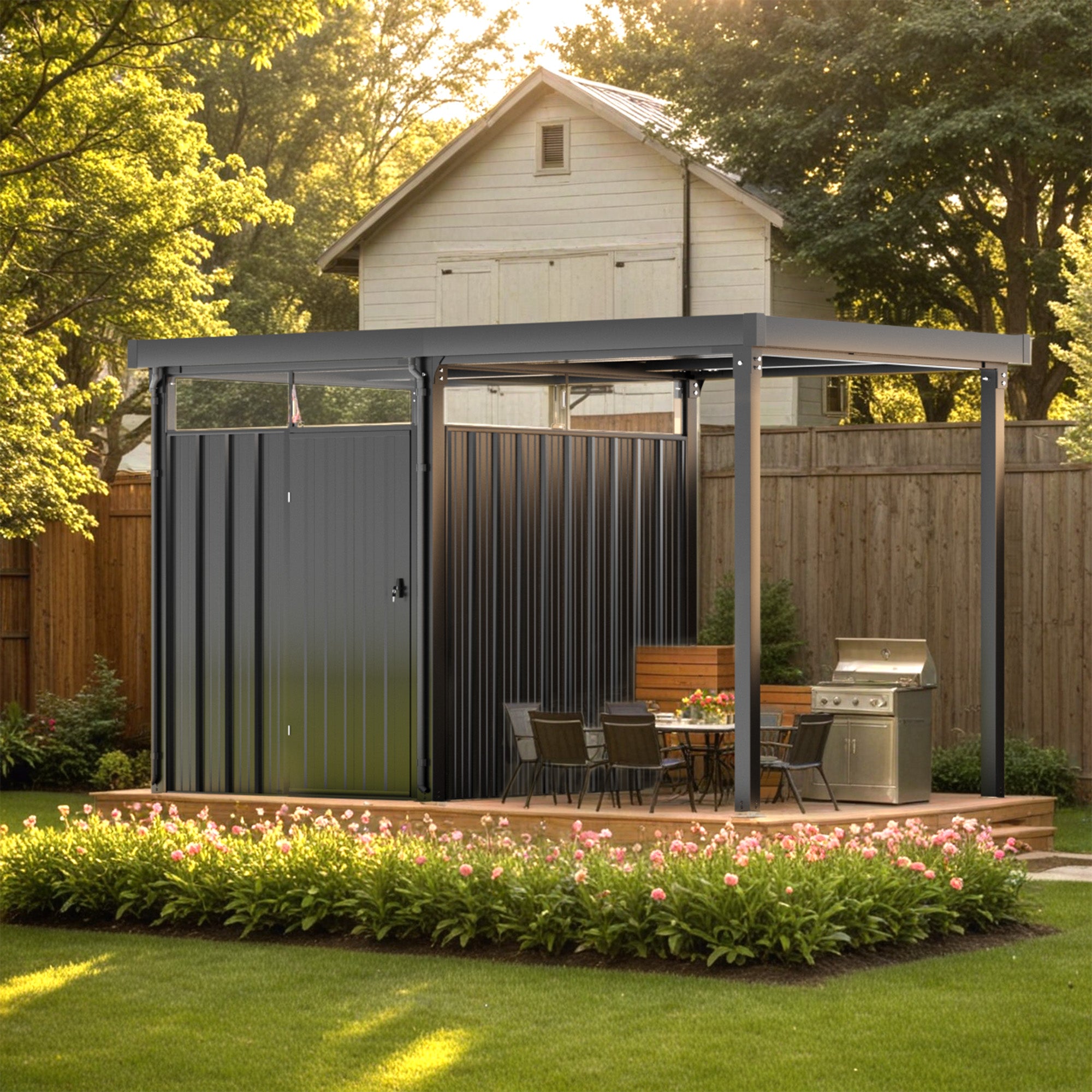
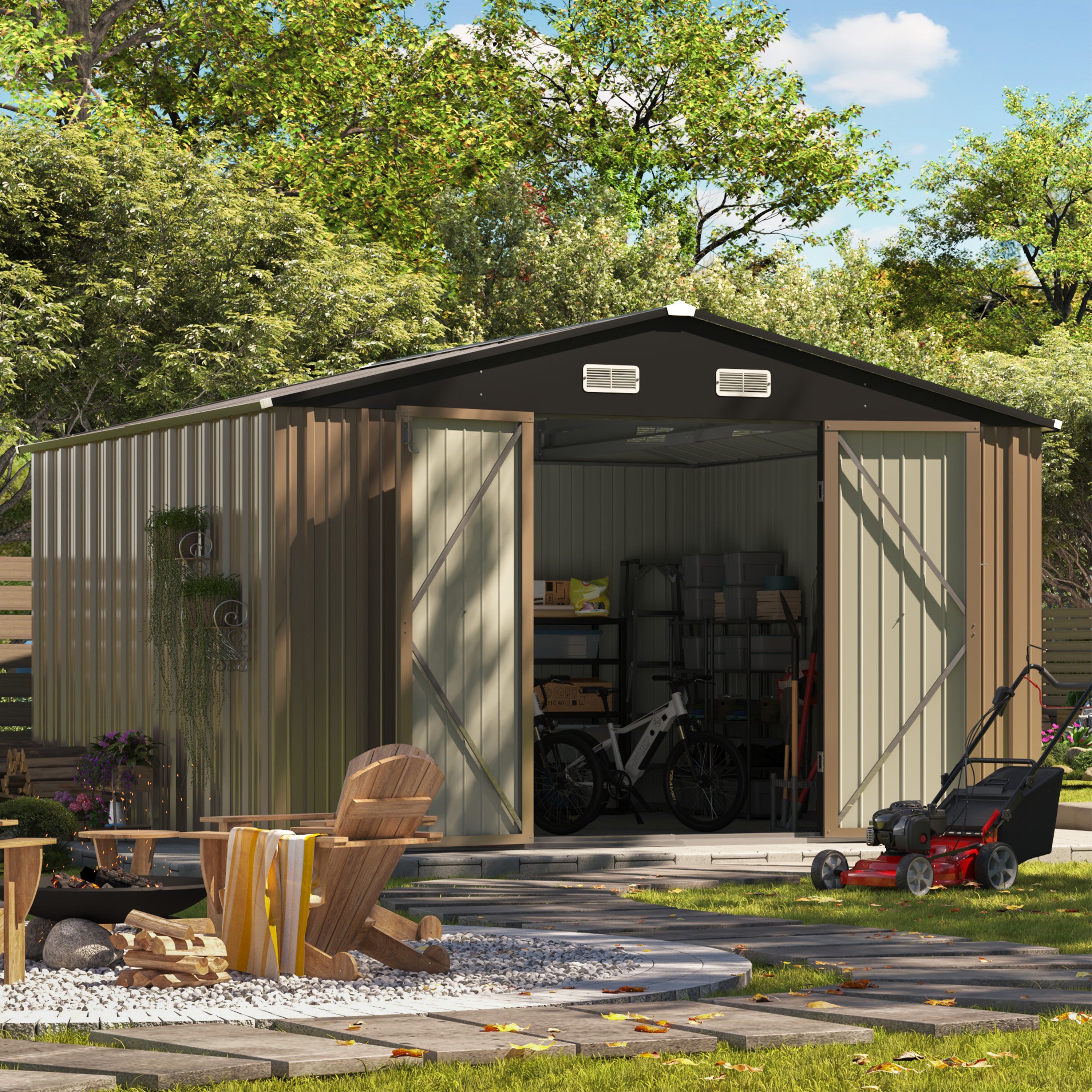


Summer is a great time to use your outdoor space, but rising temperatures, strong sunlight, and increased humidity can create challenges for your storage shed.
Whether you use your shed to store gardening tools, lawn equipment, outdoor furniture, or seasonal items, proper summer maintenance can help keep both your shed and stored belongings in better condition.
By taking a few simple steps, you can improve airflow, reduce heat-related issues, prevent unwanted pests, and extend the lifespan of your outdoor storage solution.
Table of Contents:[hide]
Why Summer Heat Can Affect Your Shed
During summer, sheds are exposed to high temperatures, direct sunlight, and changing weather conditions. Without proper care, these factors can affect both the structure of your shed and the items stored inside.
One of the biggest challenges is the temperature buildup inside the shed. Because sheds are enclosed spaces, heat can accumulate quickly, especially when exposed to direct sunlight for long periods. High temperatures may create an uncomfortable environment and can affect certain heat-sensitive items stored inside.
Humidity is another factor to consider during hot weather. Warm temperatures combined with moisture can increase the risk of condensation, which may lead to musty odors, mold growth, or rust on metal tools and equipment.
Regular summer maintenance helps prevent these problems and keeps your shed a reliable storage space throughout the season.
Keep Your Shed Well Ventilated
Proper ventilation is one of the most important parts of summer shed maintenance.
Good airflow helps reduce heat buildup and allows moisture to escape, creating a more balanced environment inside the shed. Without enough ventilation, hot and humid air can become trapped, which may affect stored items over time.
To improve ventilation:
- Keep vents clear and free from dust or debris
- Avoid placing large items directly against ventilation openings
- Leave some space between stored items and shed walls to encourage airflow
- Open doors occasionally when weather conditions allow
Many modern sheds include built-in ventilation designs to help improve air circulation and reduce moisture accumulation, making them easier to maintain during warmer months.
Protect Your Shed From Sun Damage
Long-term exposure to strong sunlight can affect outdoor structures, especially during the hottest months of the year.
UV rays may cause fading, surface aging, or material deterioration over time. Regular care can help minimize the impact of sun exposure.
Here are some helpful tips:
- Clean the exterior regularly to remove dust and dirt buildup
- Check surfaces for signs of fading or damage
- Avoid placing heat-sensitive items directly against sun-exposed walls
- Consider placing your shed in a location with partial shade when possible
For plastic or resin sheds, UV-resistant materials can help improve durability and maintain appearance. For metal sheds, keeping the protective coating in good condition can help protect against weather-related wear.
Prevent Ants and Other Pests From Entering Your Shed
Summer is also a season when insects and outdoor pests become more active. Ants, spiders, and other small pests may look for cool, sheltered areas, making your shed an attractive place to hide.
To reduce the chance of pests entering your shed:
- Keep the area around your shed clean and free from leaves, grass clippings, and debris
- Avoid storing food, pet supplies, or items with strong scents inside the shed
- Check corners, door edges, and small openings regularly
- Make sure doors close properly to limit unwanted entry
A clean area around your shed not only improves appearance but also helps create a less attractive environment for pests.
Protect Your Stored Items From Extreme Heat
While a shed protects your belongings from outdoor elements, extreme summer temperatures can still affect certain items.
To better protect your stored items:
- Organize items so air can move freely around them
- Use storage containers to protect smaller tools and accessories
- Keep temperature-sensitive products in suitable locations
- Avoid overcrowding the shed, which can reduce airflow
For example, gardening tools, outdoor equipment, bicycles, and furniture are generally well suited for shed storage, while some chemicals or heat-sensitive materials may require additional care.
A well-organized shed makes it easier to find items while also improving ventilation and overall storage conditions.
Conclusion
Summer weather can bring challenges for outdoor storage, but simple maintenance steps can make a big difference.
Keeping your shed ventilated, protecting it from excessive sun exposure, preventing pests, and organizing stored items properly can help maintain a cleaner and more functional storage space.
With regular care, your shed can continue protecting your tools, equipment, and outdoor essentials throughout the summer and for many seasons to come.
Diana Mason
Hi there! I’m Diana Mason, the chief editor of Patiowell brand. With over 15 years of diving deep into the world of outdoor furniture, I’ve developed a keen eye for what makes outdoor spaces truly special. I love sharing tips and inspiration to help you create your perfect backyard retreat. Our blog is a reflection of my passion and expertise, featuring only the best pieces that I personally vouch for. Thanks for stopping by—I can't wait to help you transform your outdoor living space!

Leave a comment
All comments are moderated before being published.
This site is protected by hCaptcha and the hCaptcha Privacy Policy and Terms of Service apply.