


SAVE
$215
Newsletter
Subscribe to get our latest promotions and an extra 27% off.


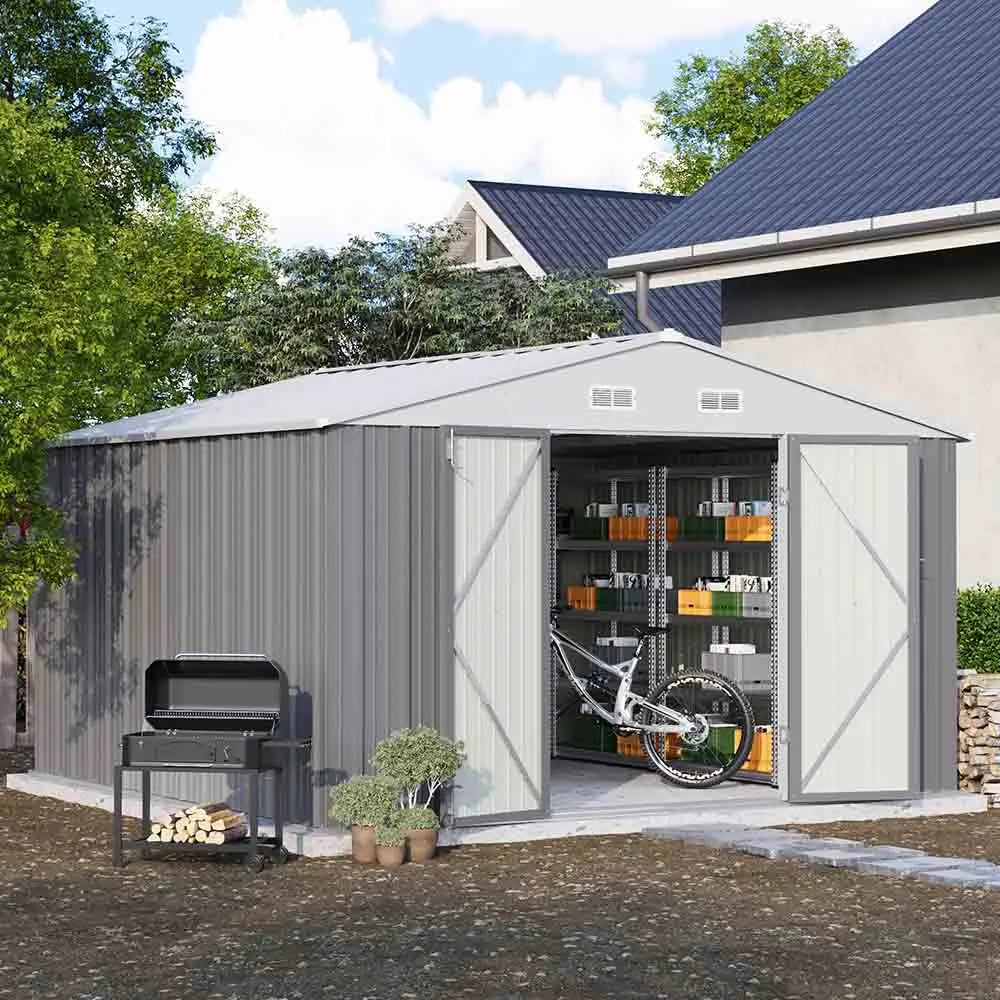
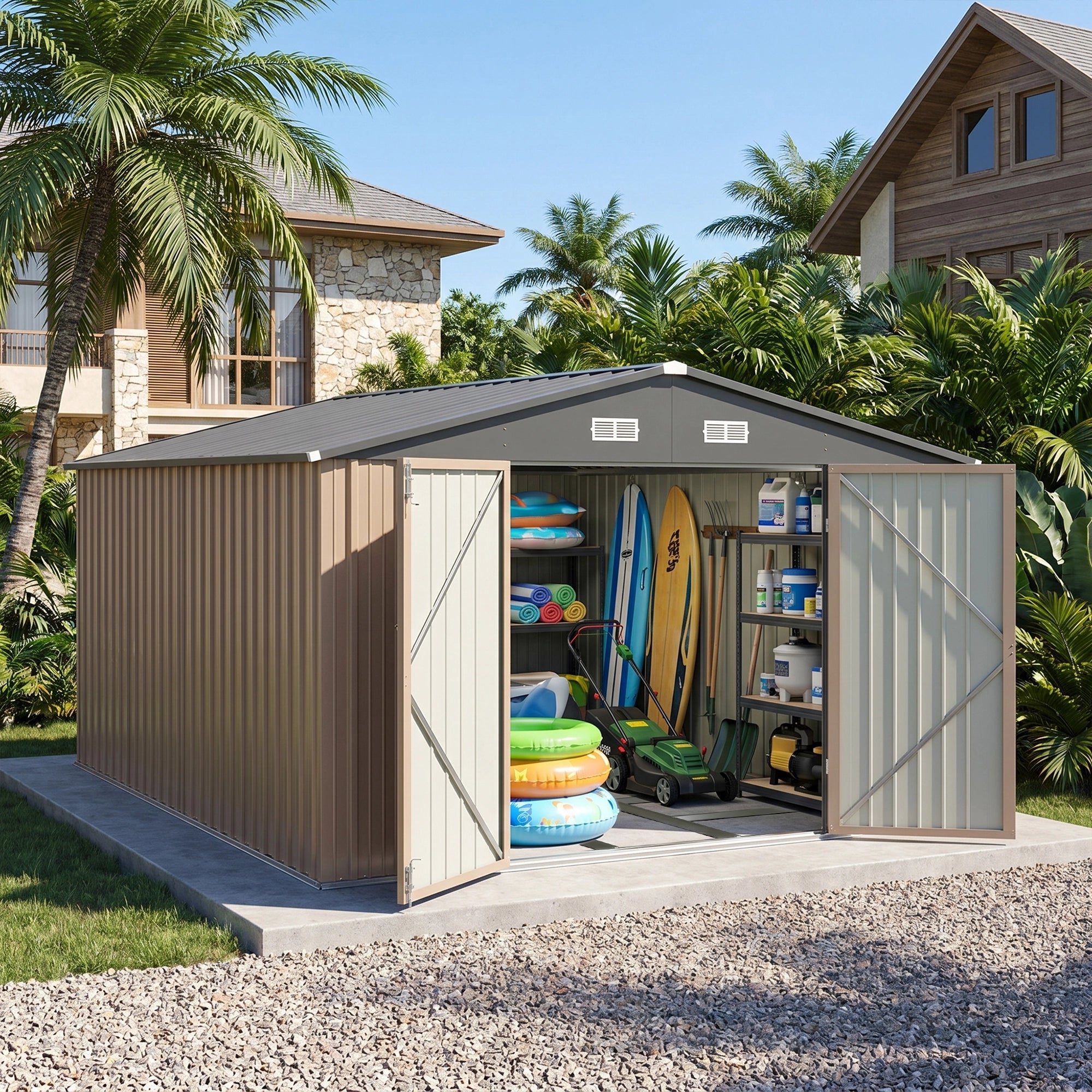
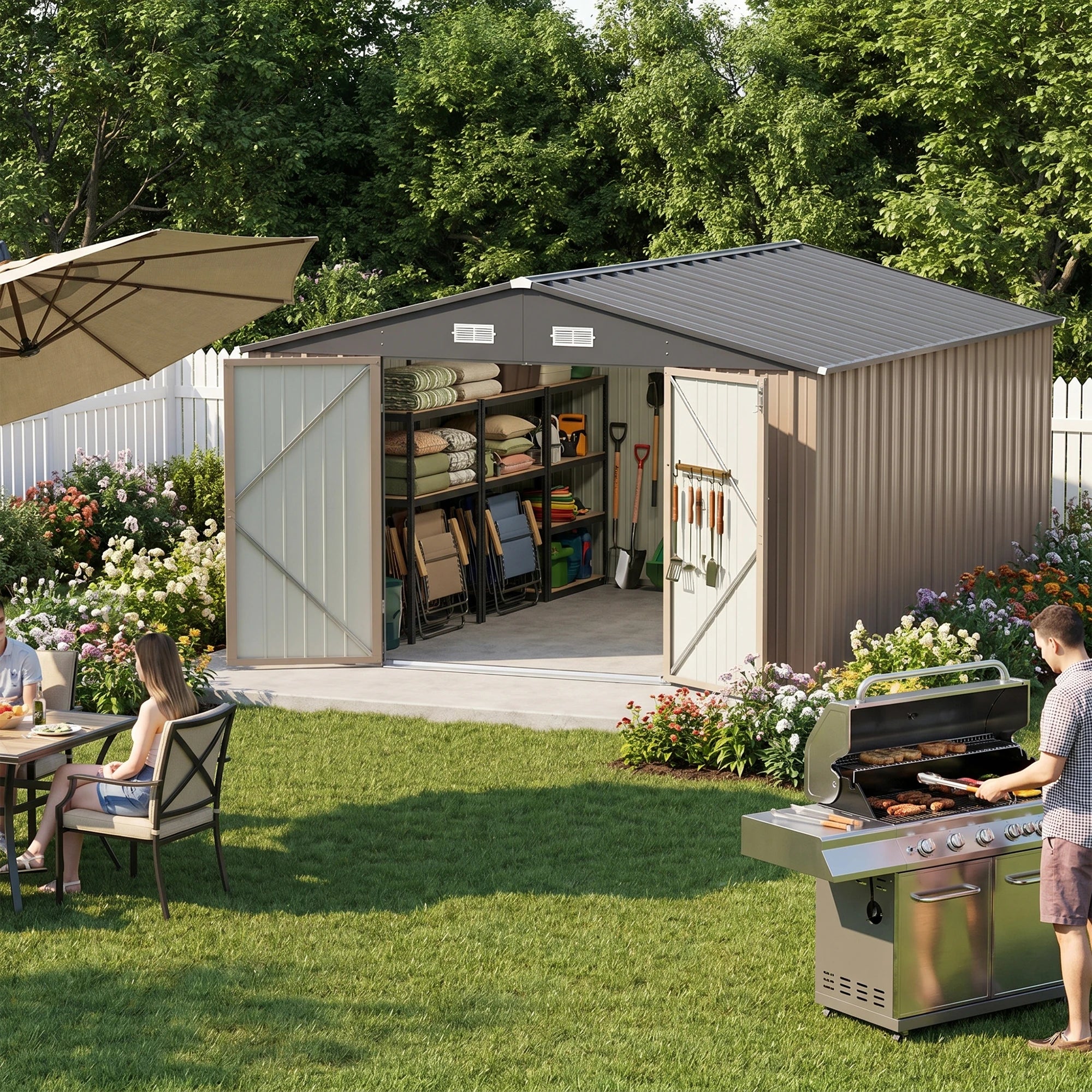
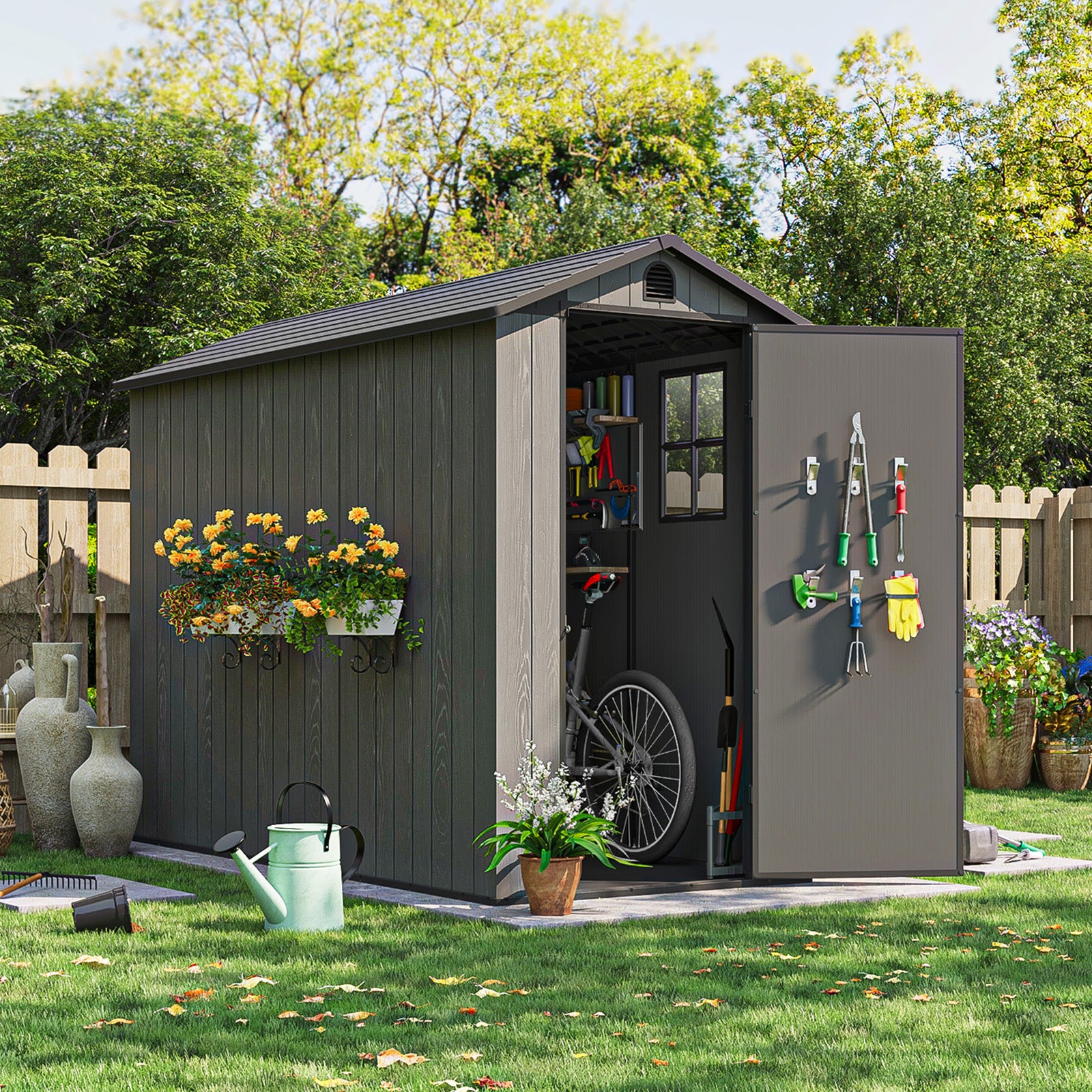
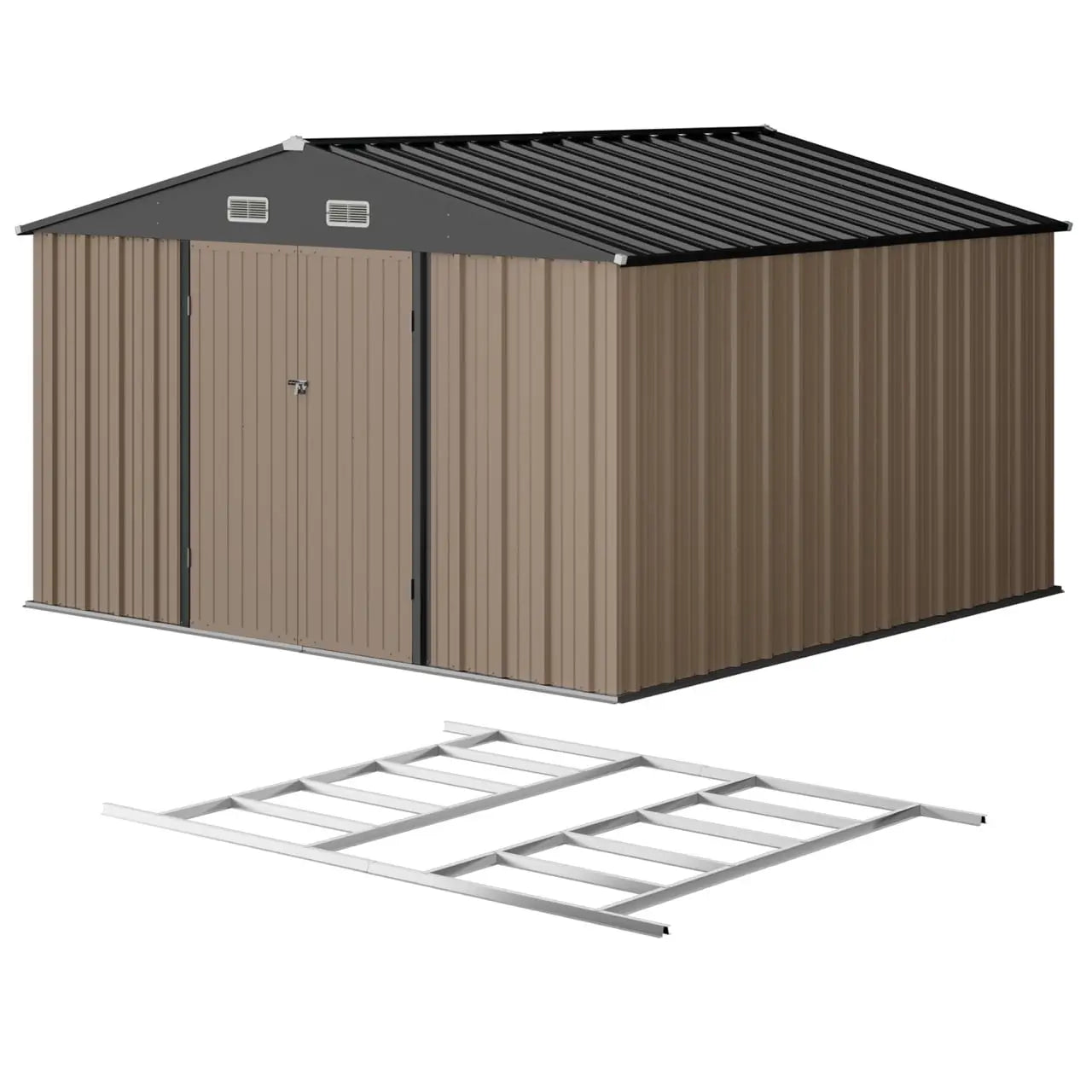
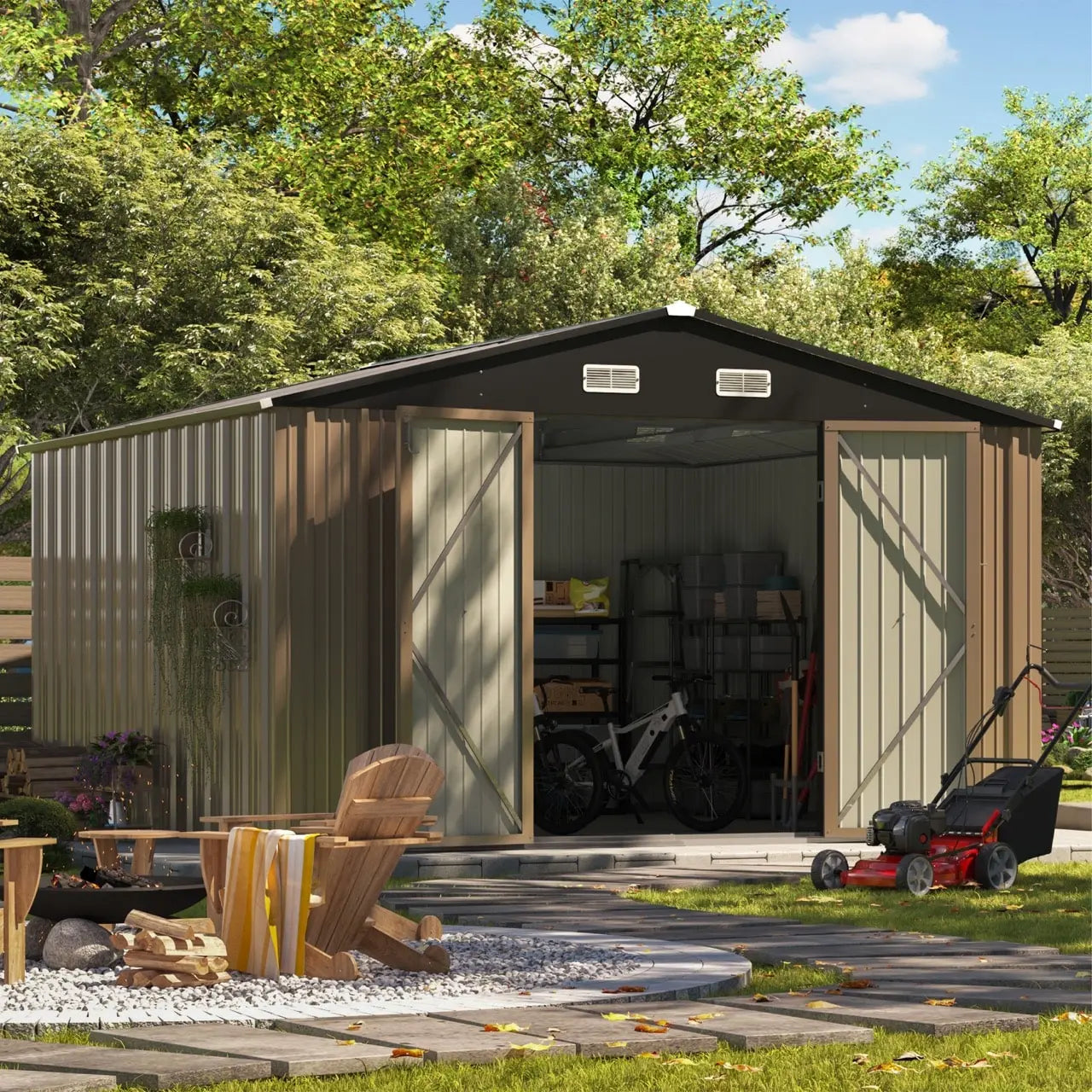
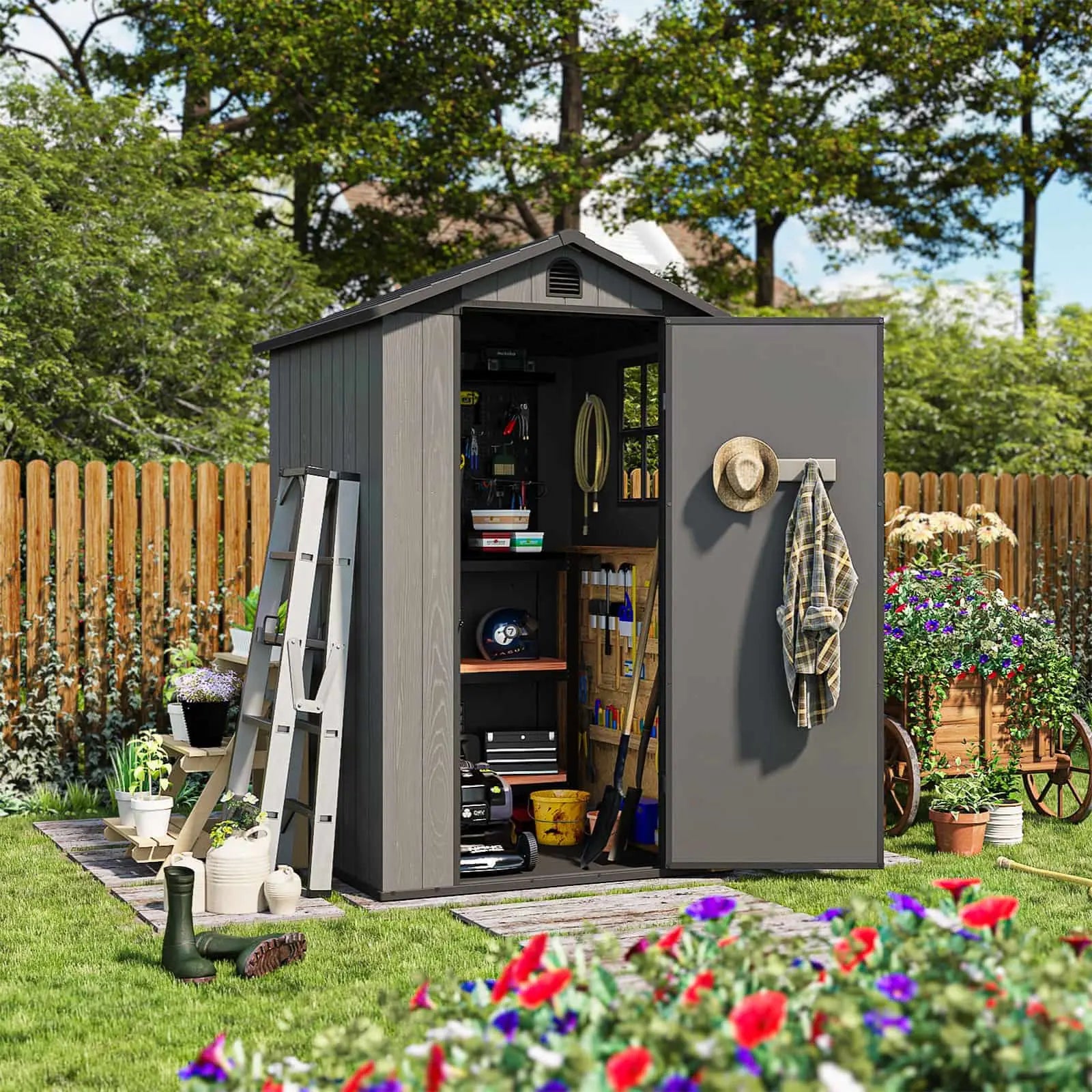
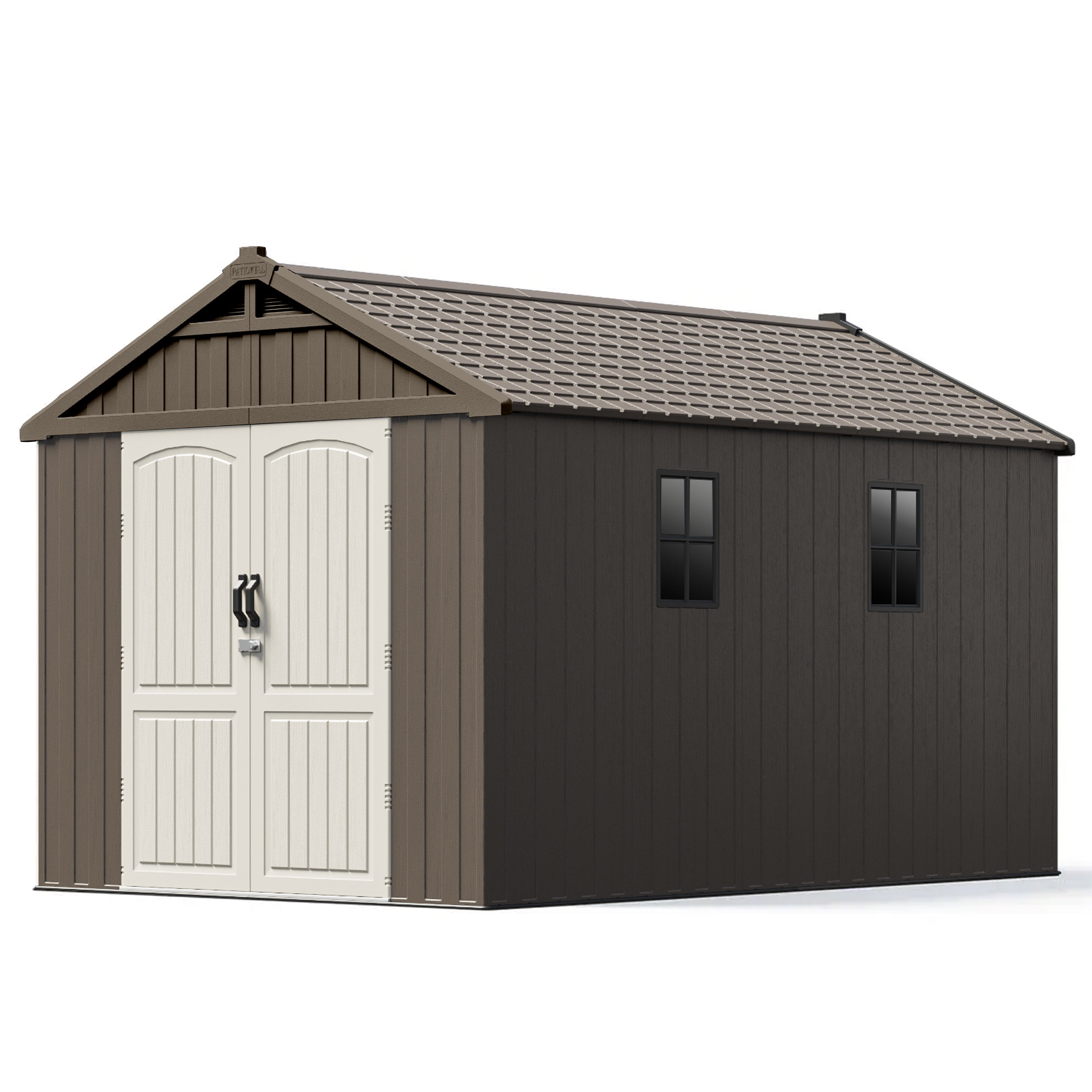
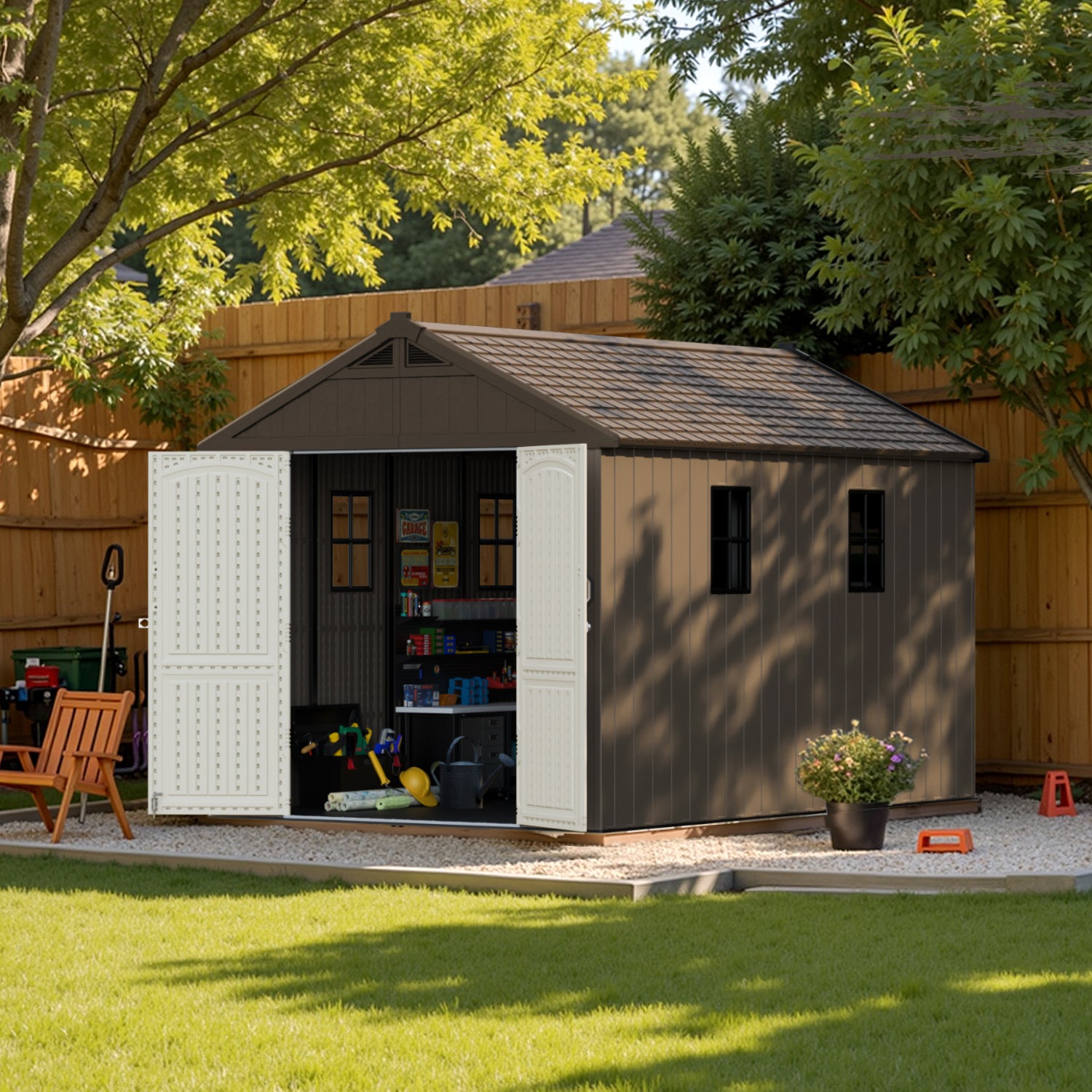
Are you tired of tripping over clutter in your backyard? Look no further than Patiowell's extensive selection of outdoor storage sheds. With options available in metal shed and plastic resin shed, you can rest assured you're investing in top-notch quality and durability. Our storage sheds come in large (10x12, 12x12, 10x14), medium (8x6, 7x7, 8x8, 8x10, 8x12, 10x10), and small (3x3, 5x3, 4x4, 4x6, 4x8) sizes to ensure you find the perfect fit for all your storage needs. Whether it's bicycles, lawn mowers, gardening tools, seasonal items, or outdoor furniture, you'll find the perfect outdoor storage shed for organizing everything. Patiowell also offer free shipping and a at least 5-years warranty.
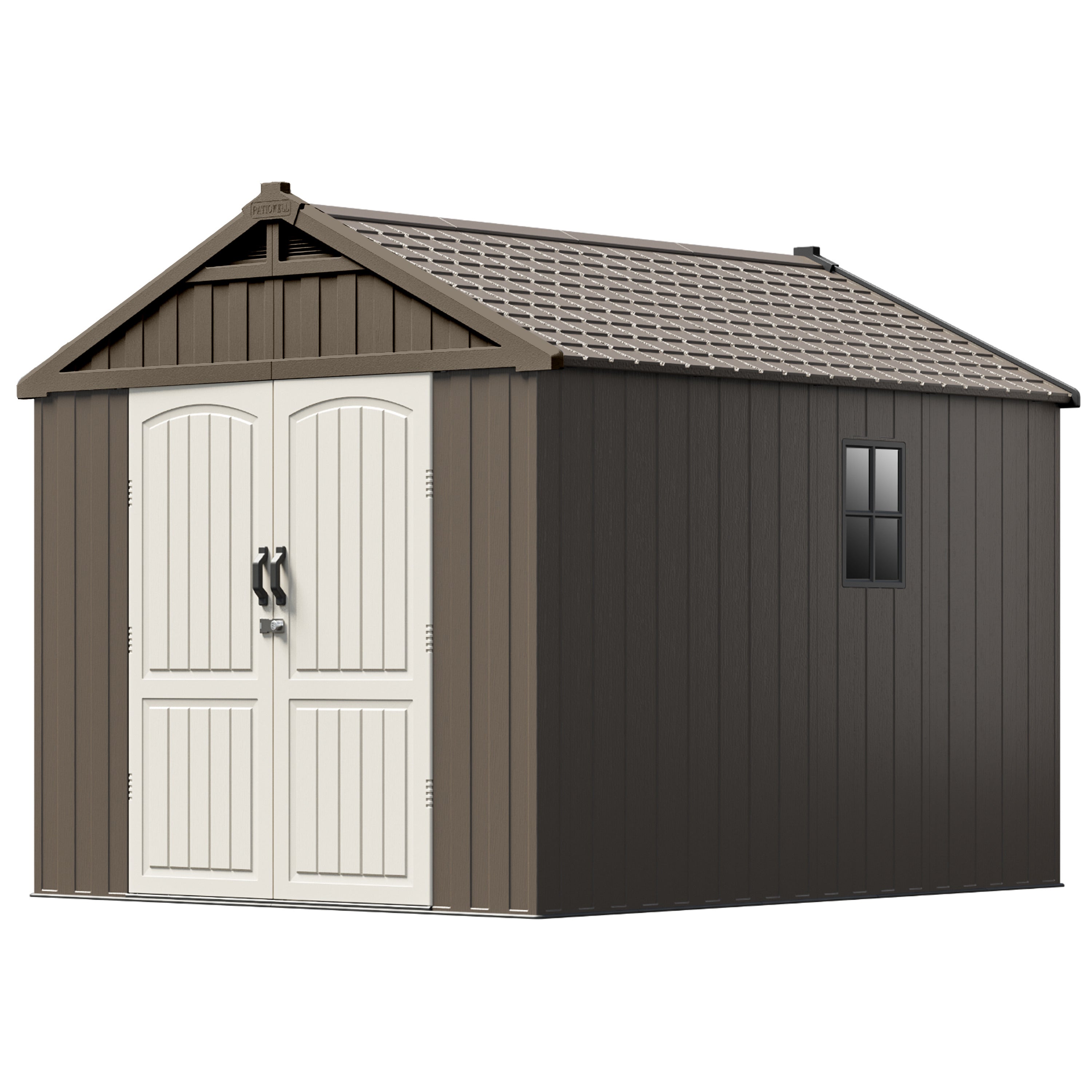


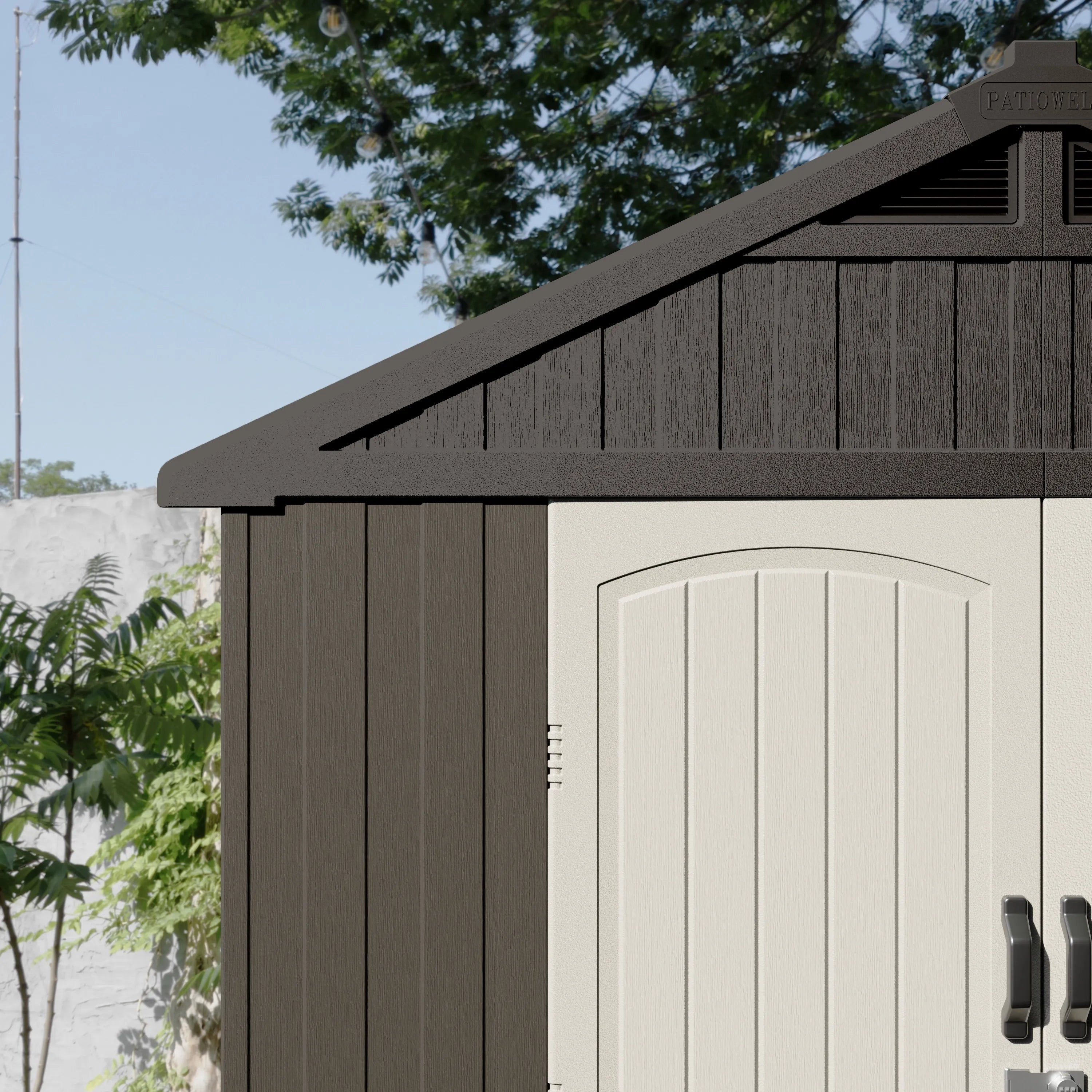
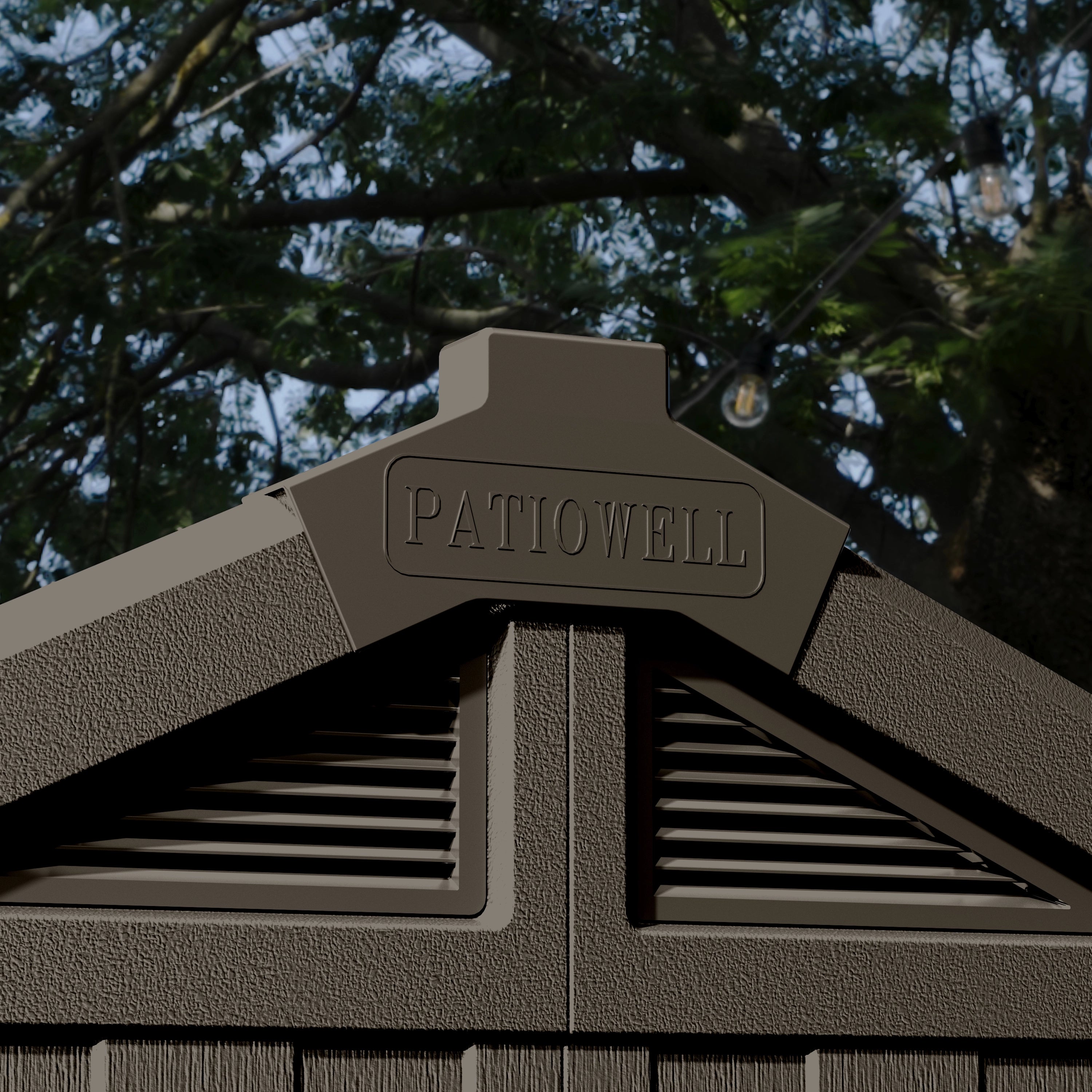
Kick it, don't screw it!
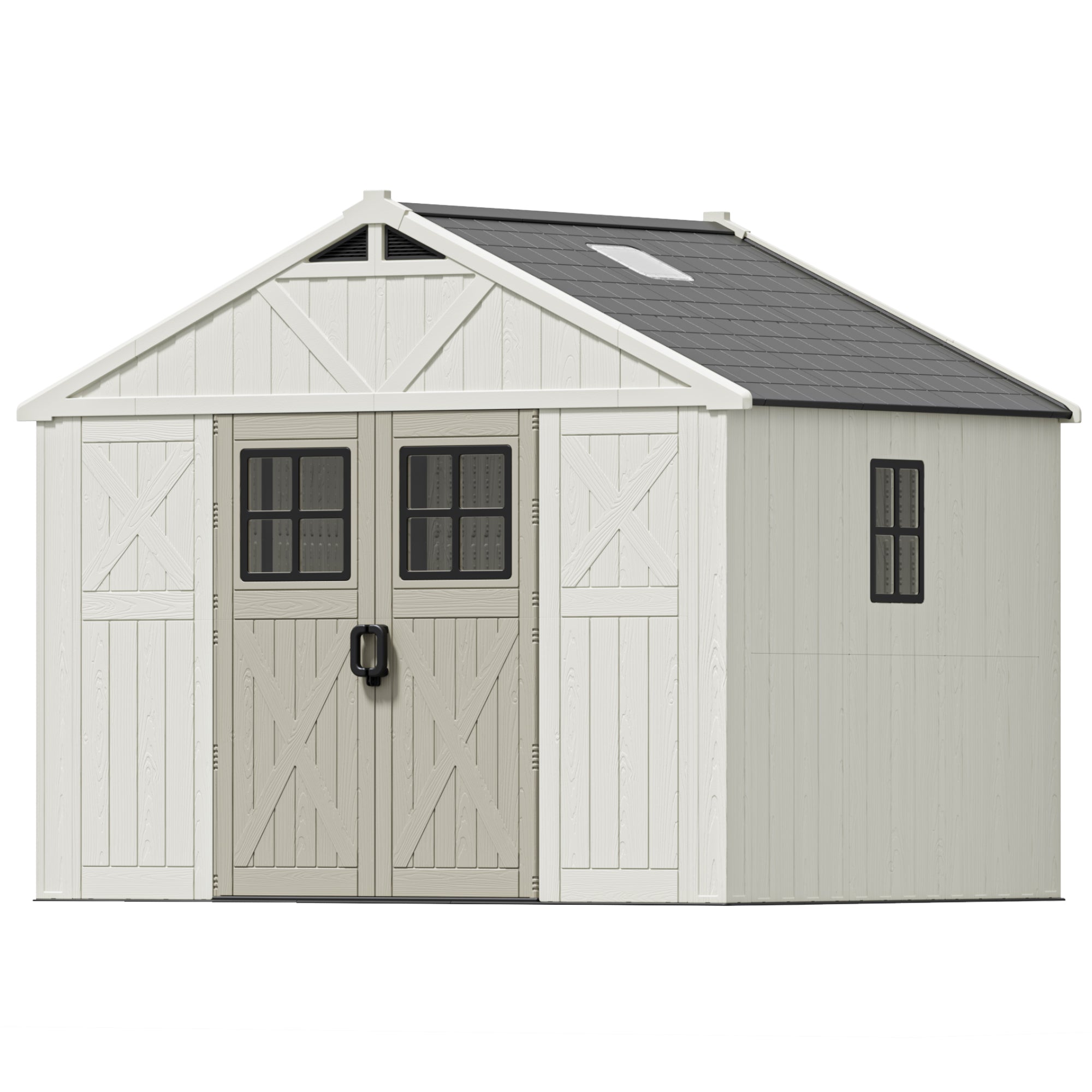
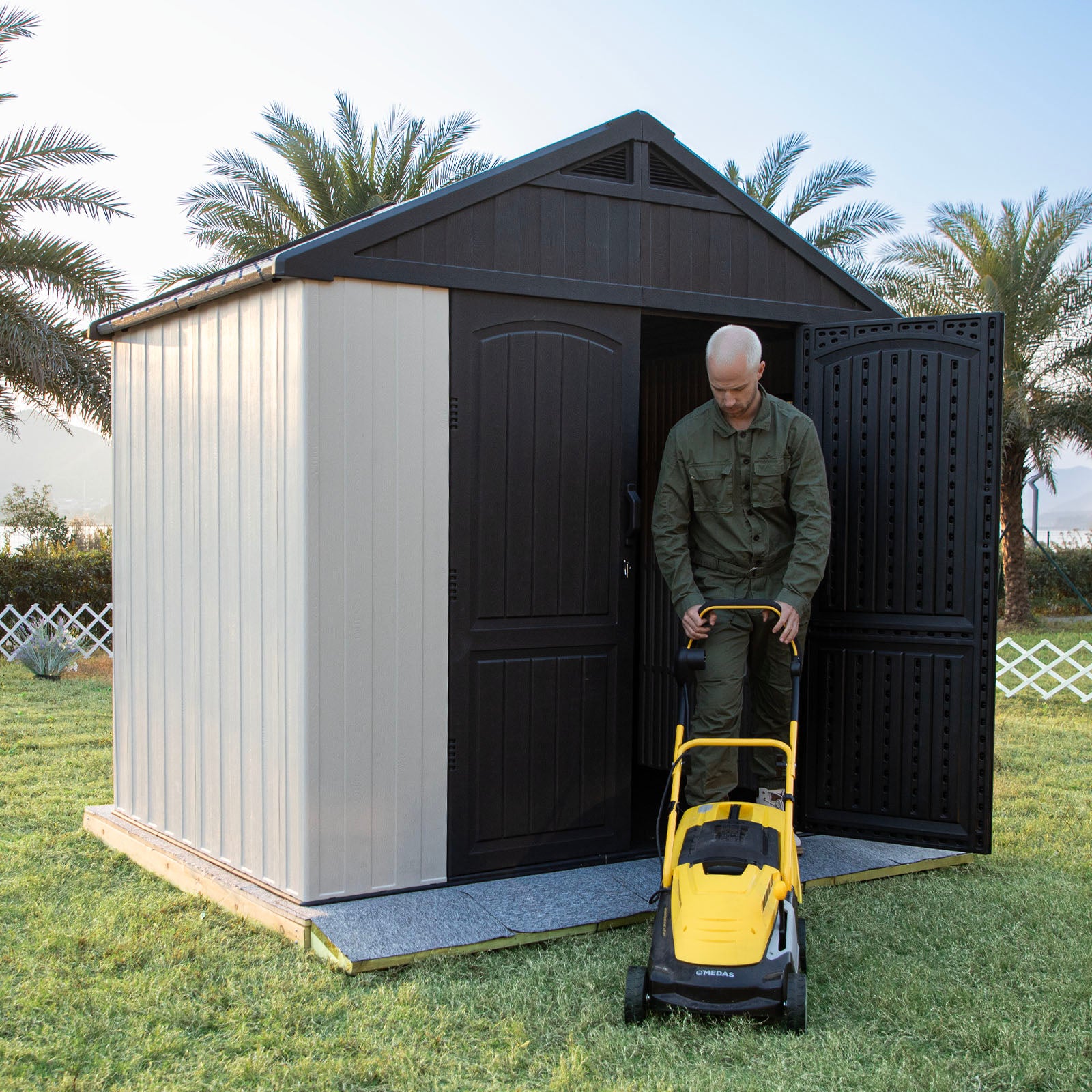
Experience easy installation with our full-panel design, reducing screws by 30% for your 8x10 plastic shed. Our innovative 'kick-it' method is quick, fun, and perfect for both beginners and pros.
Crafted for Superior Protection & Security
Designed for Stability and Sustainability
Patiowell Sheds | Free Shipping
Filters
90 products
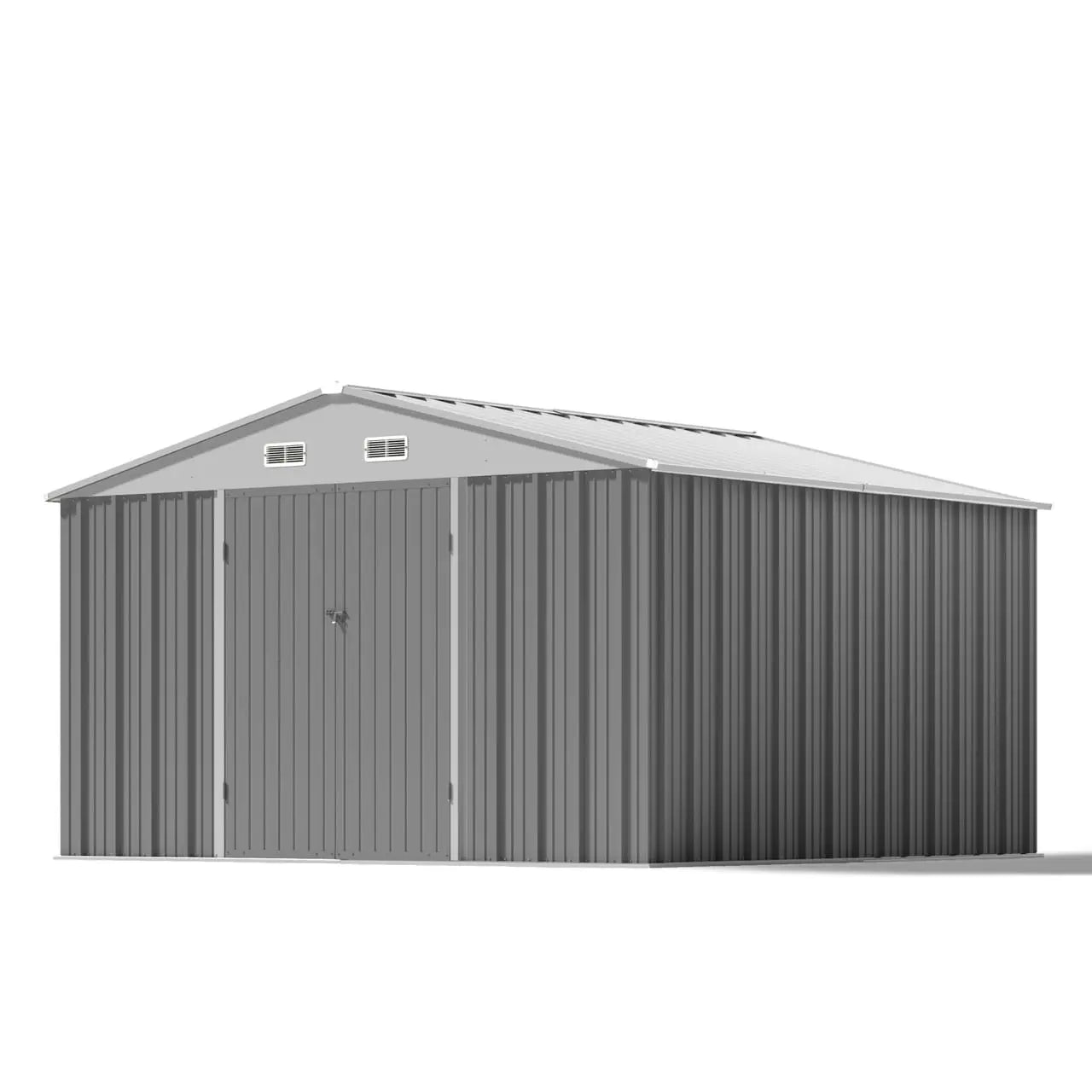

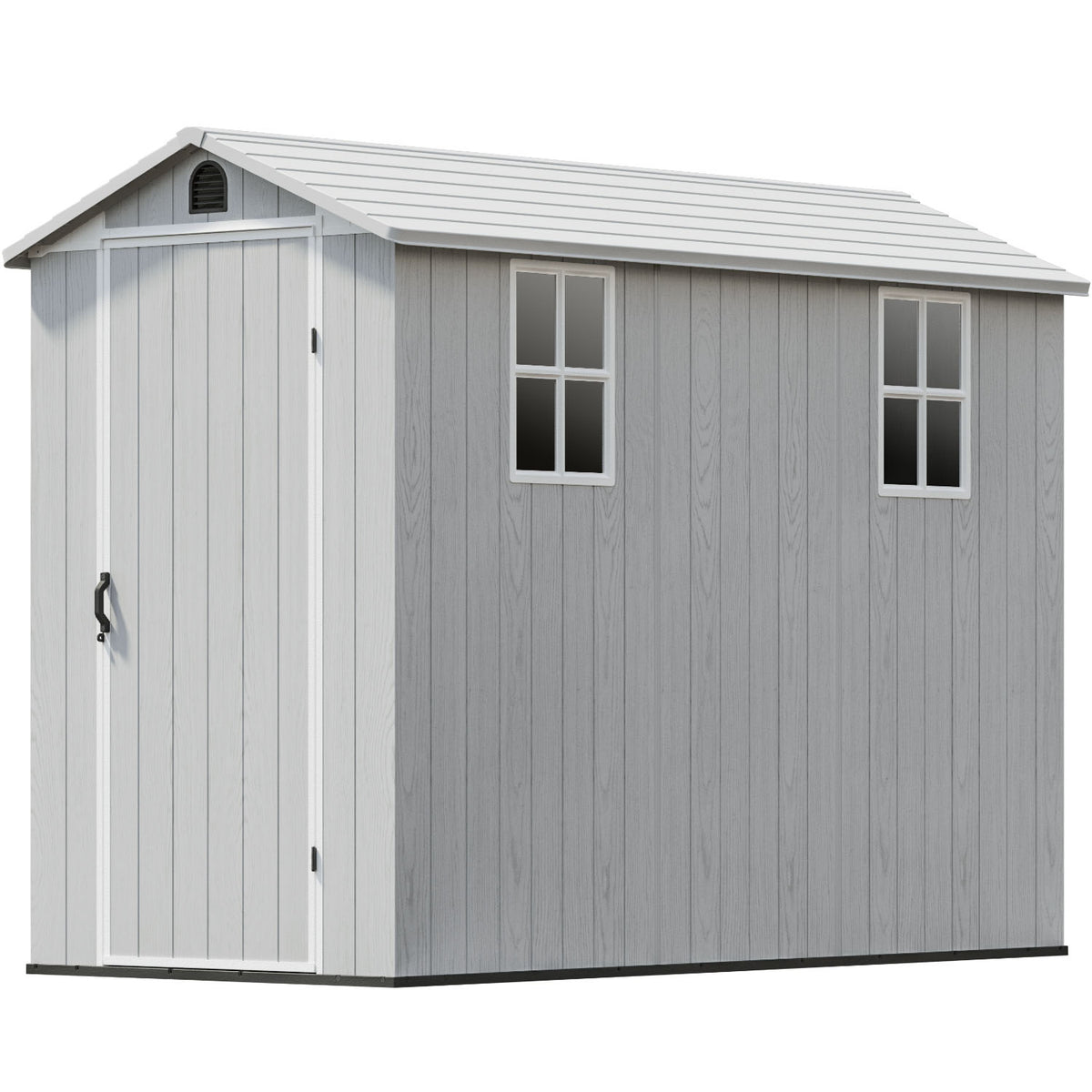
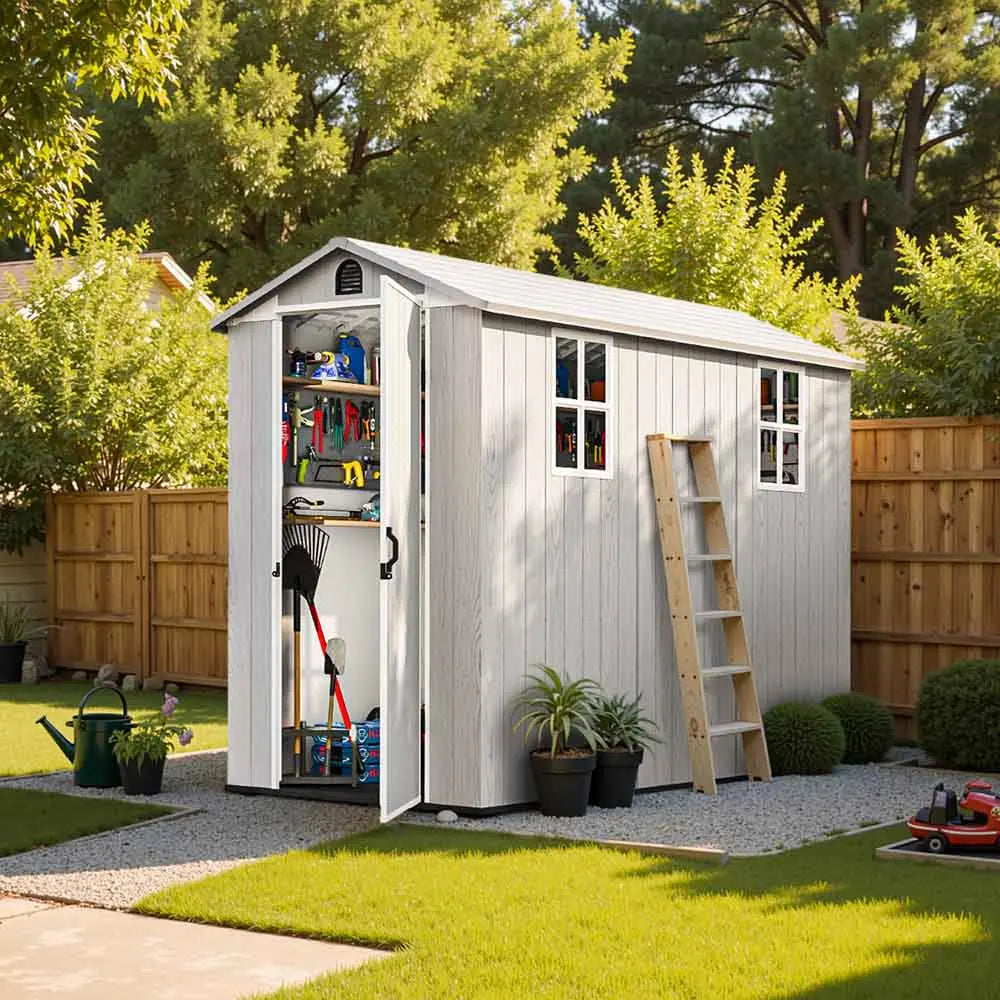
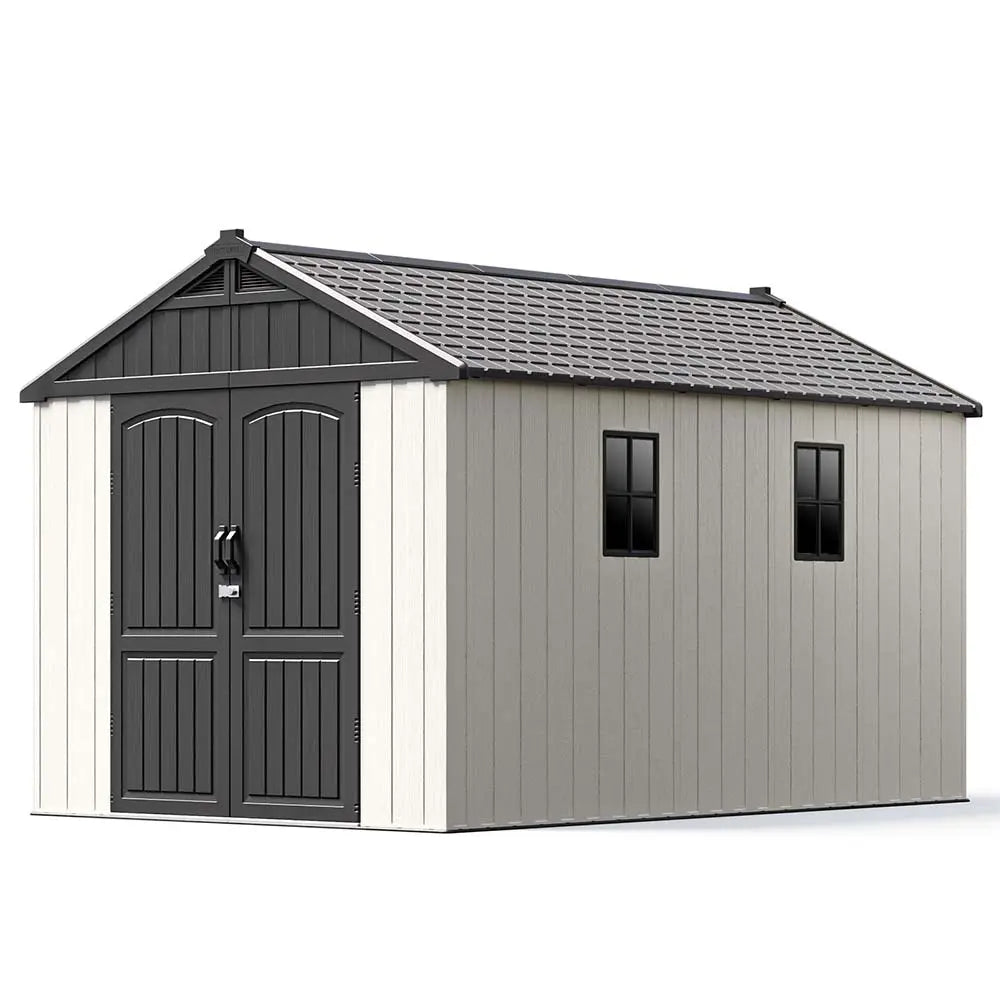
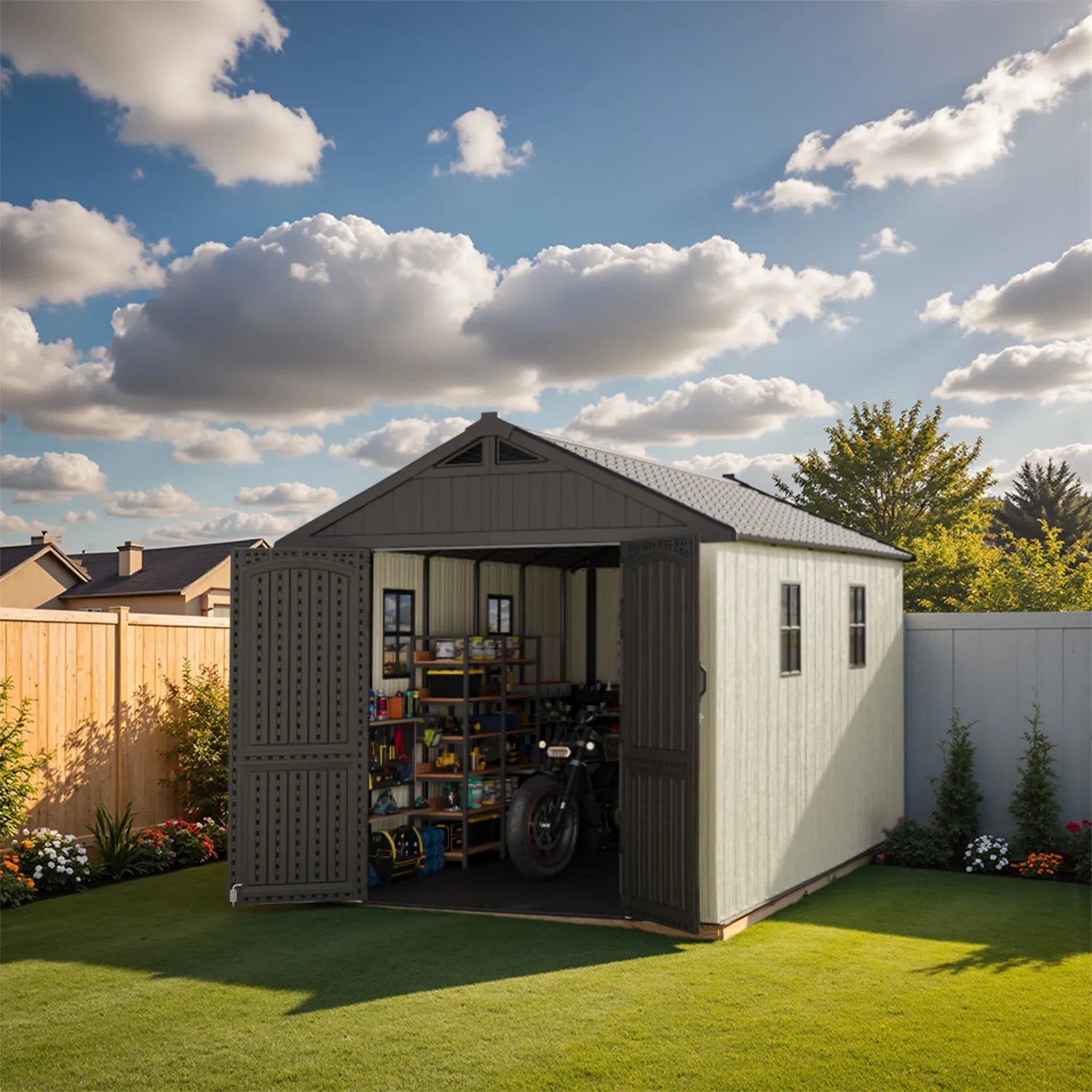
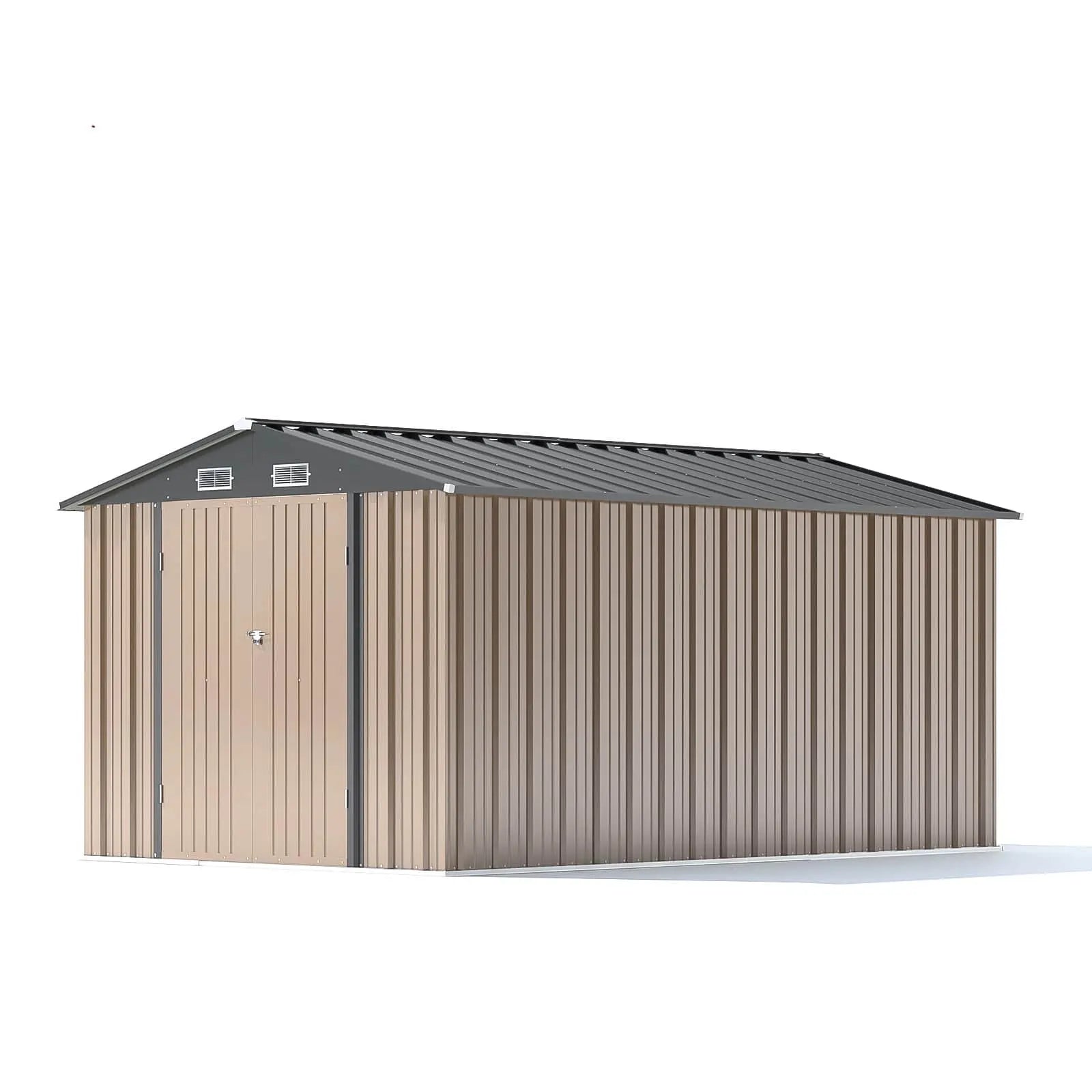
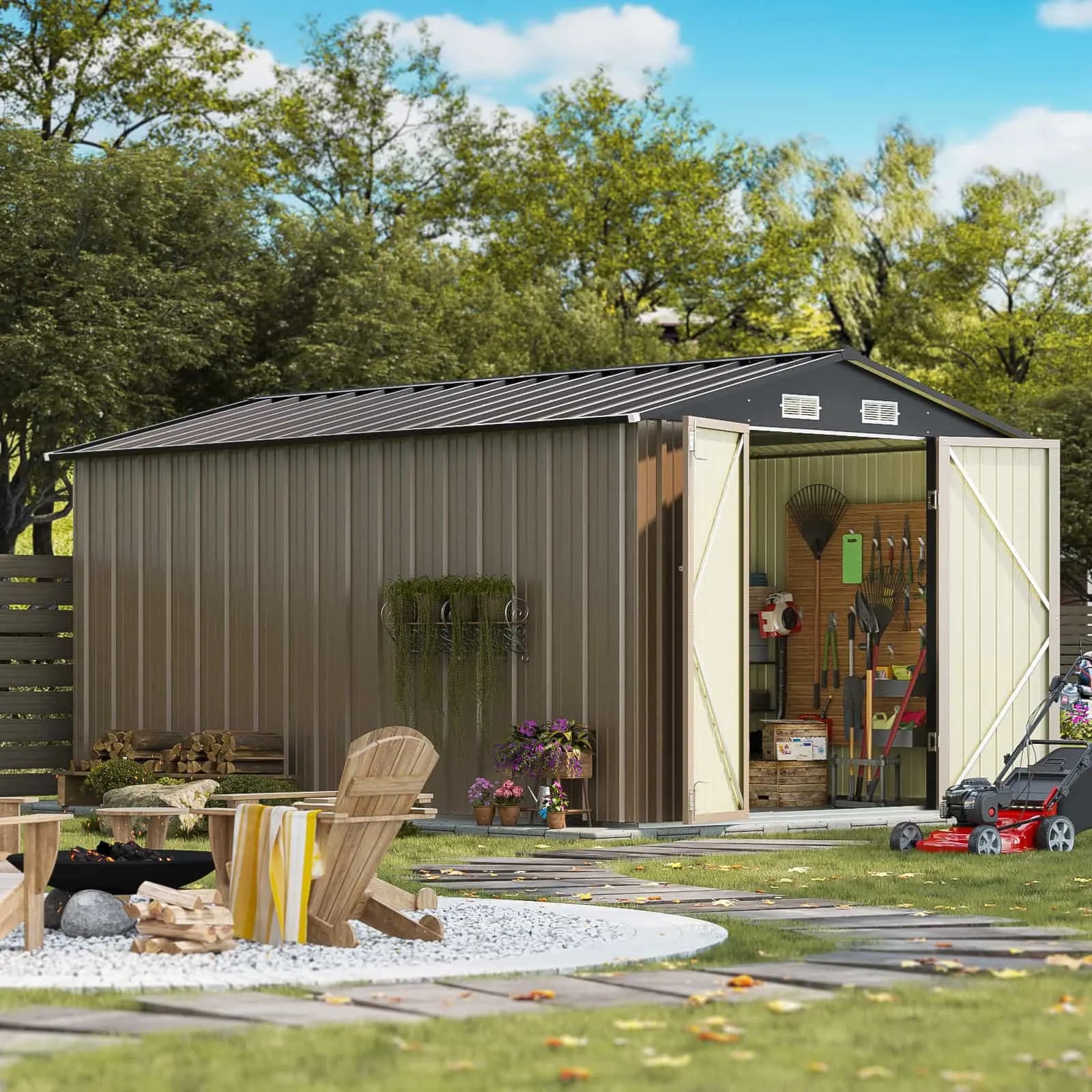
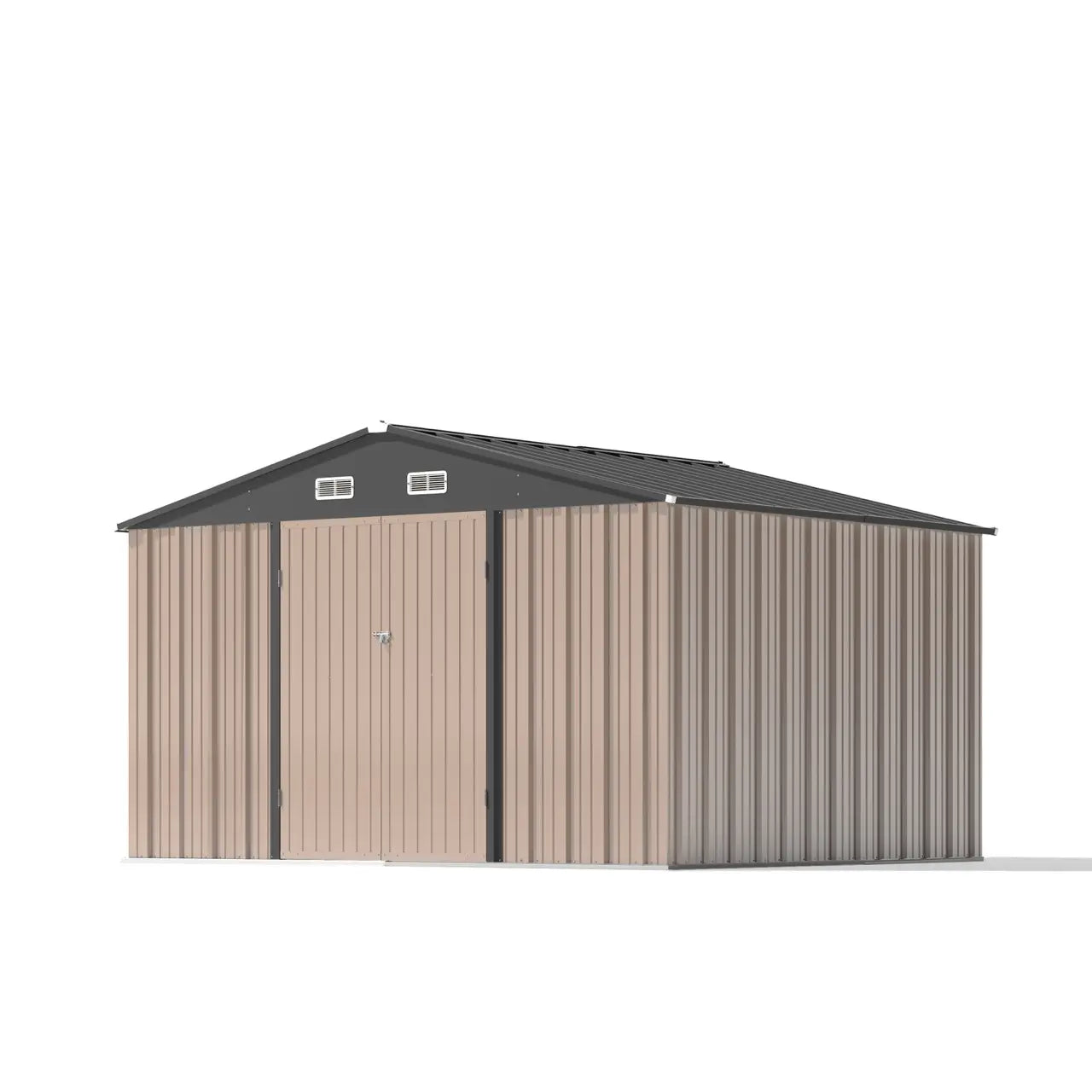
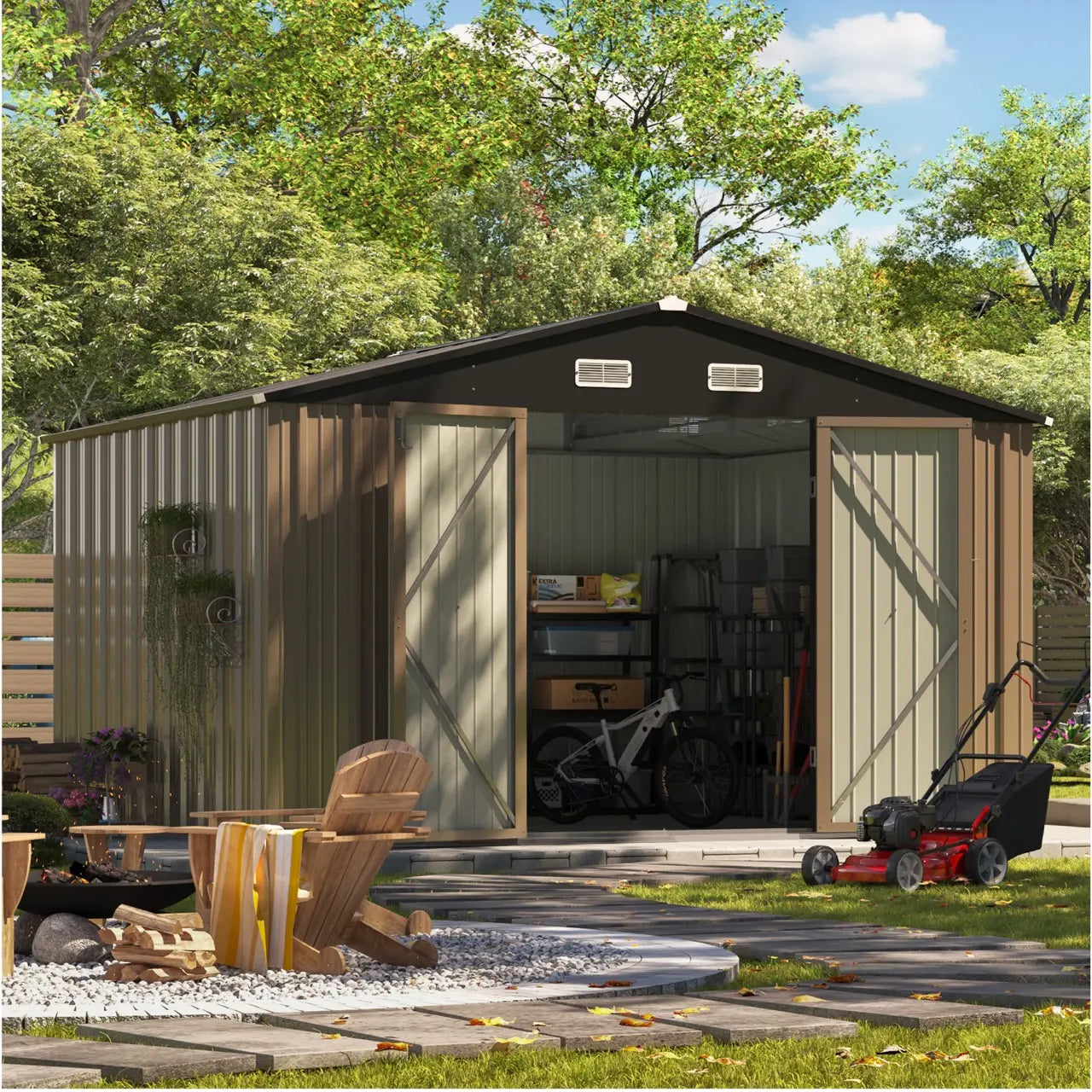

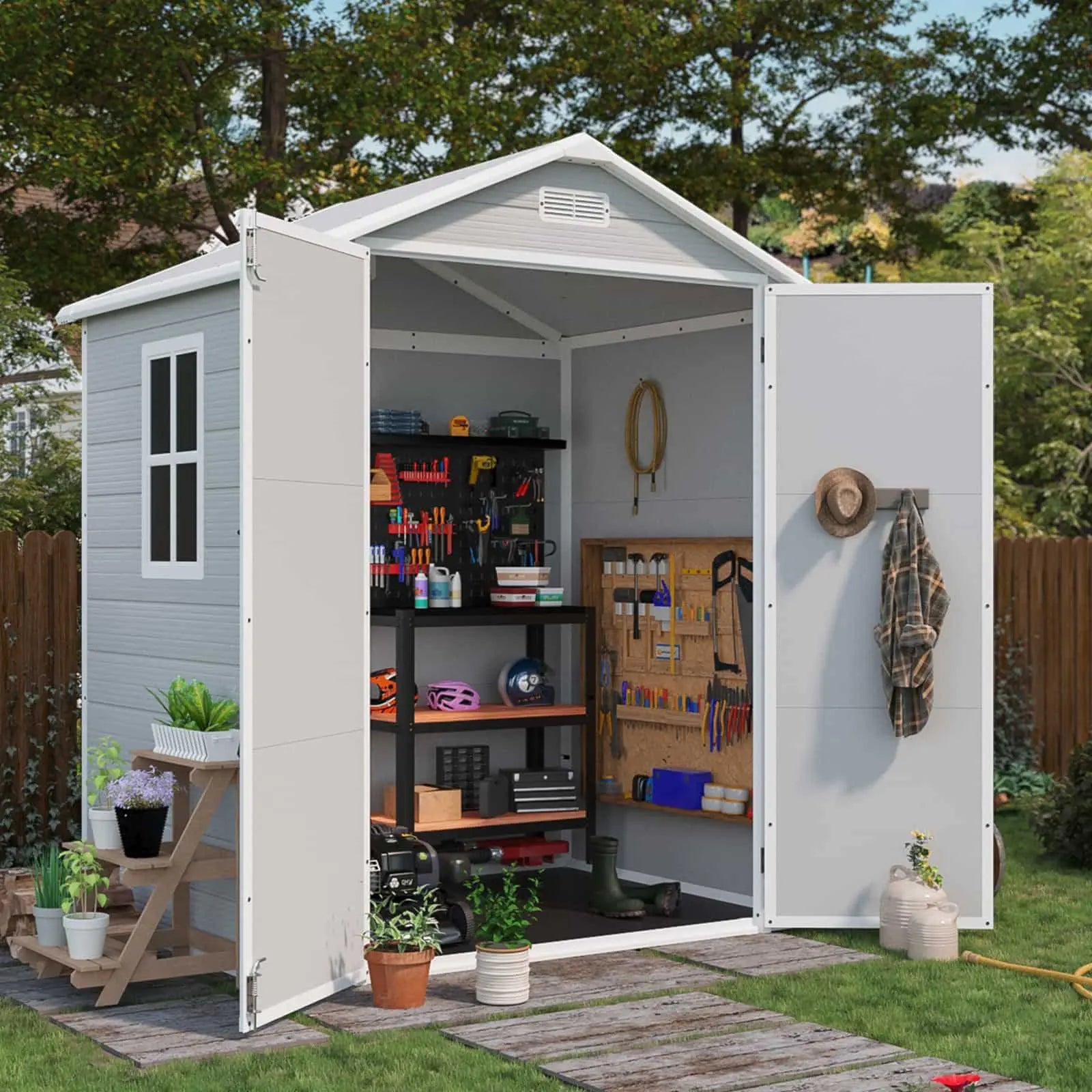
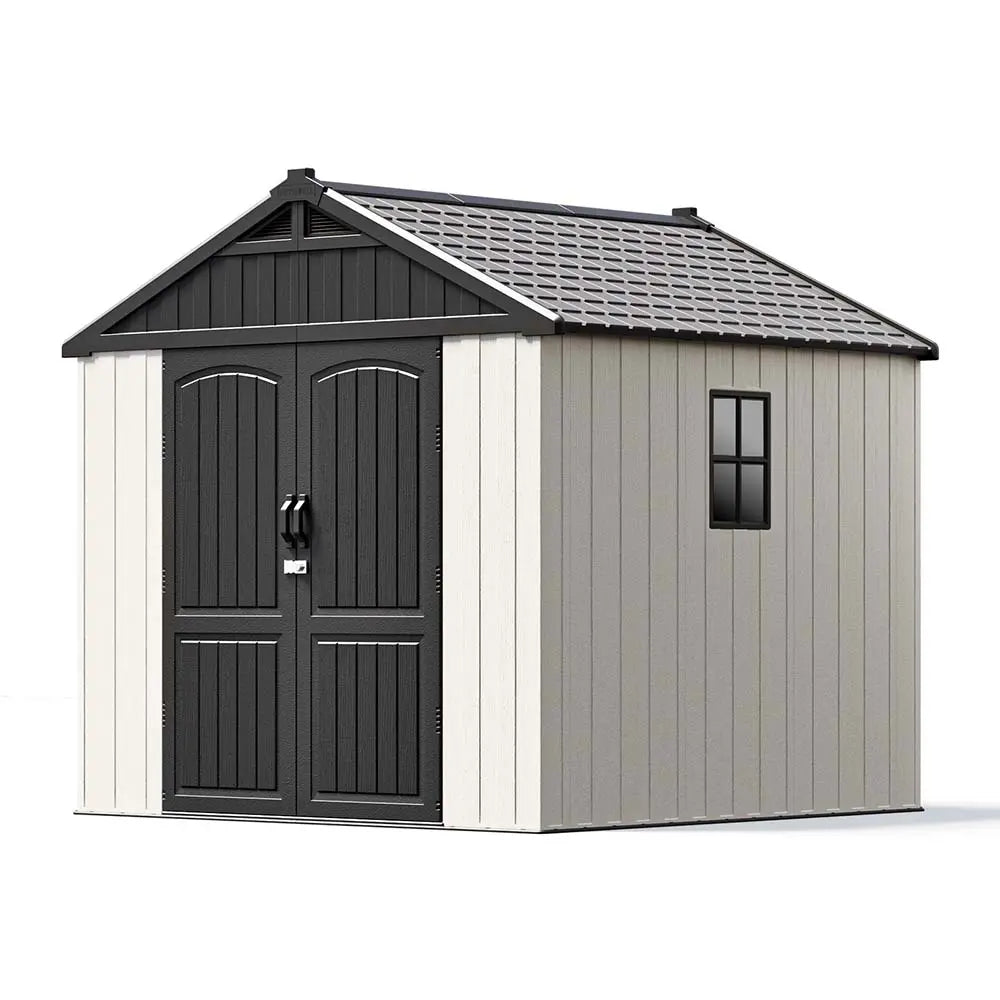
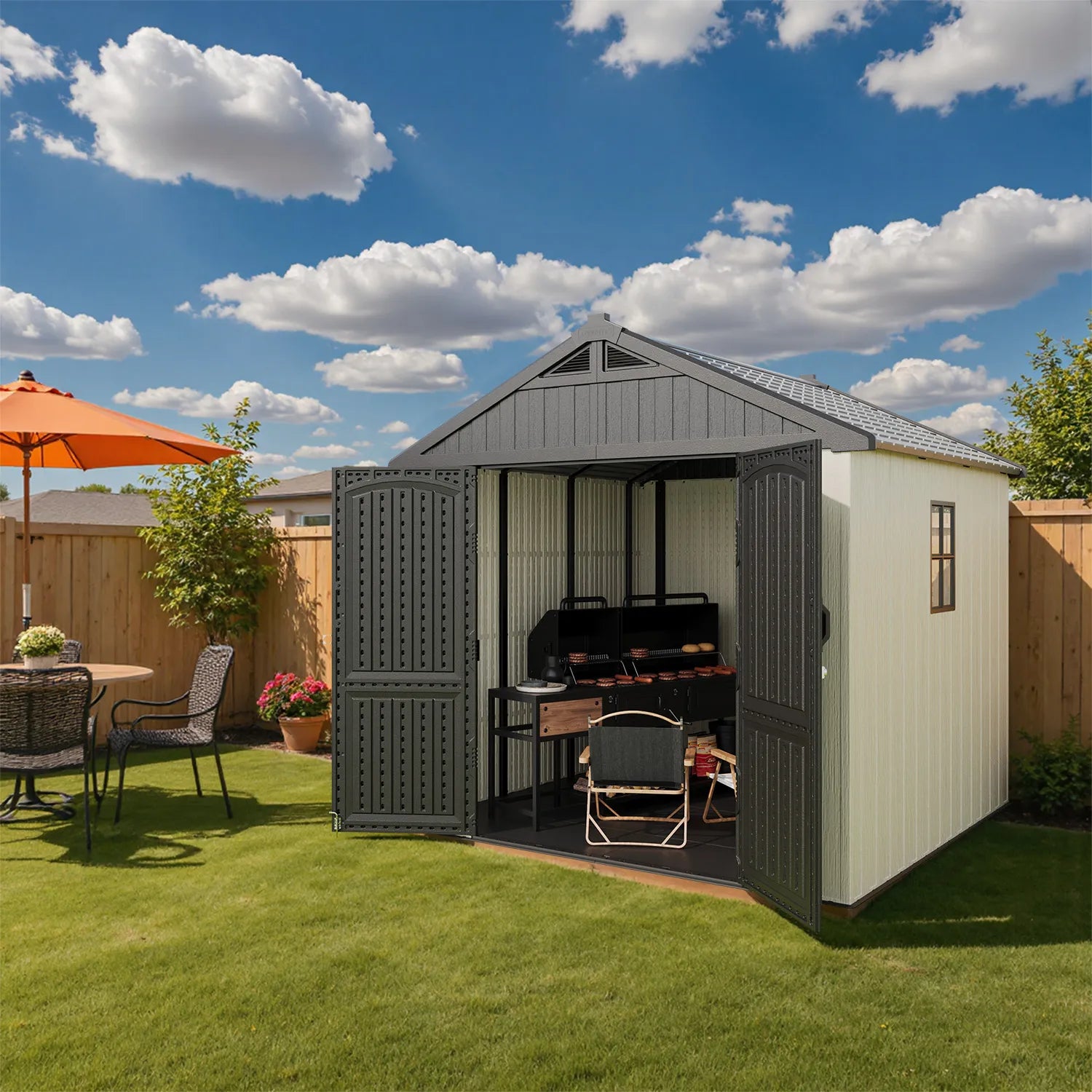
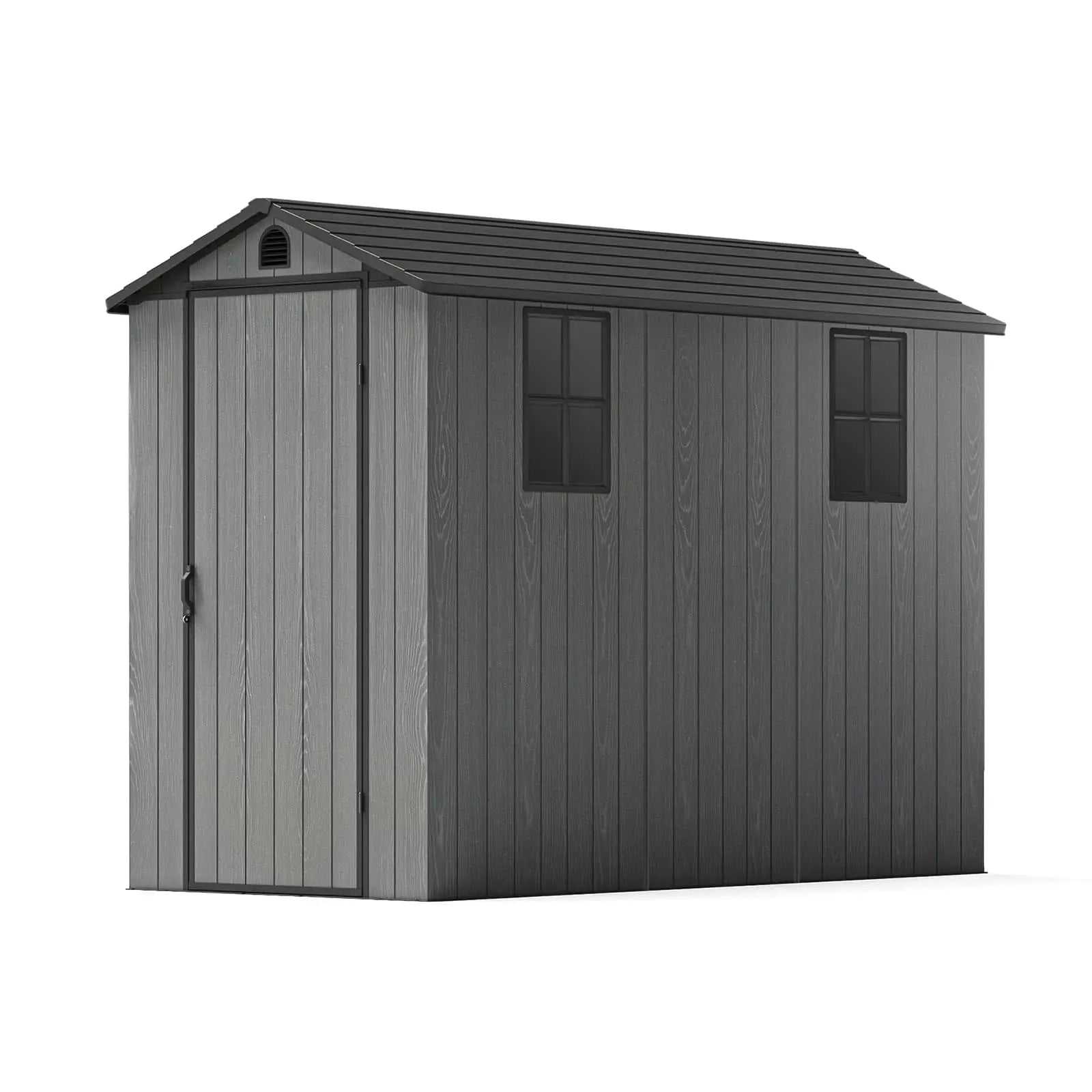

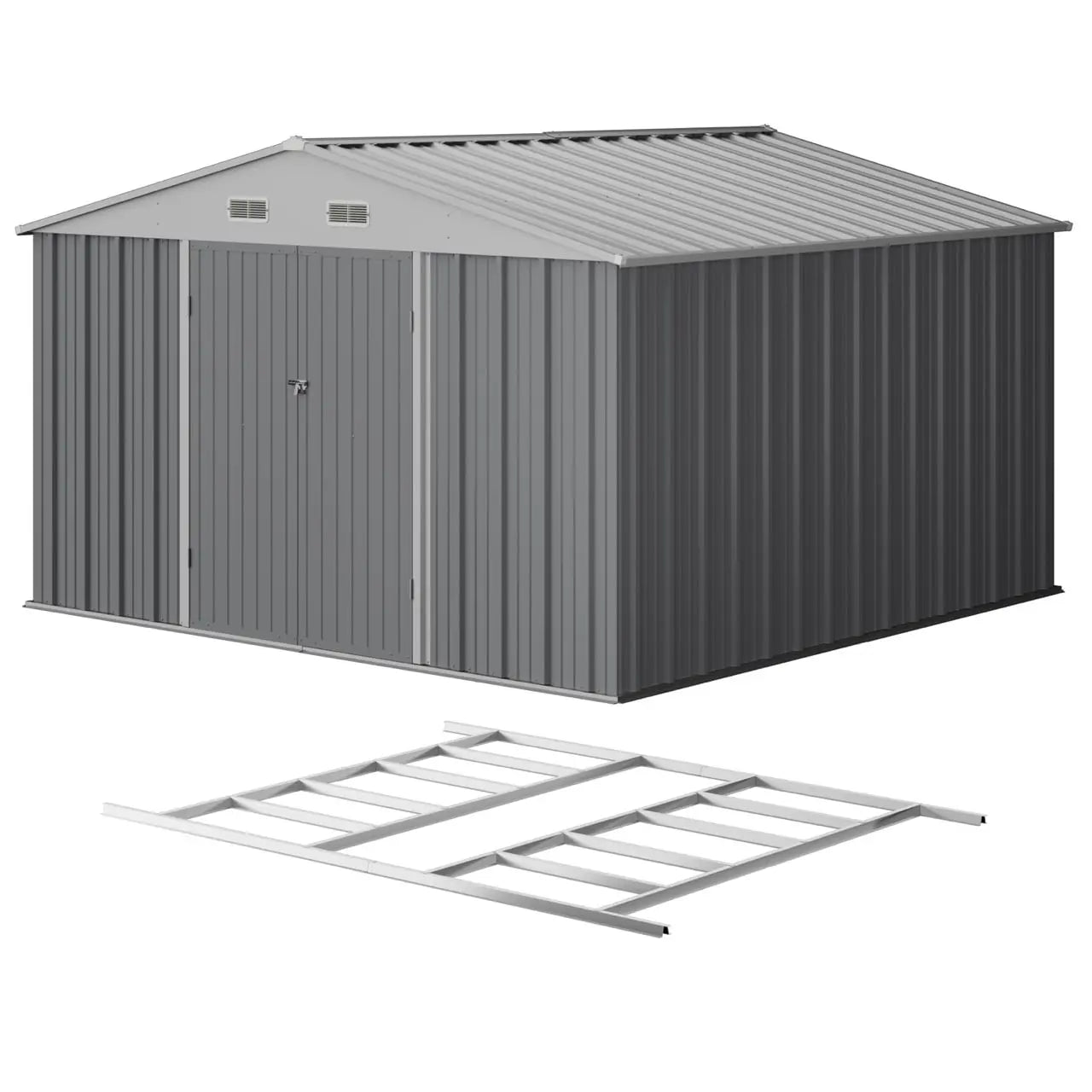
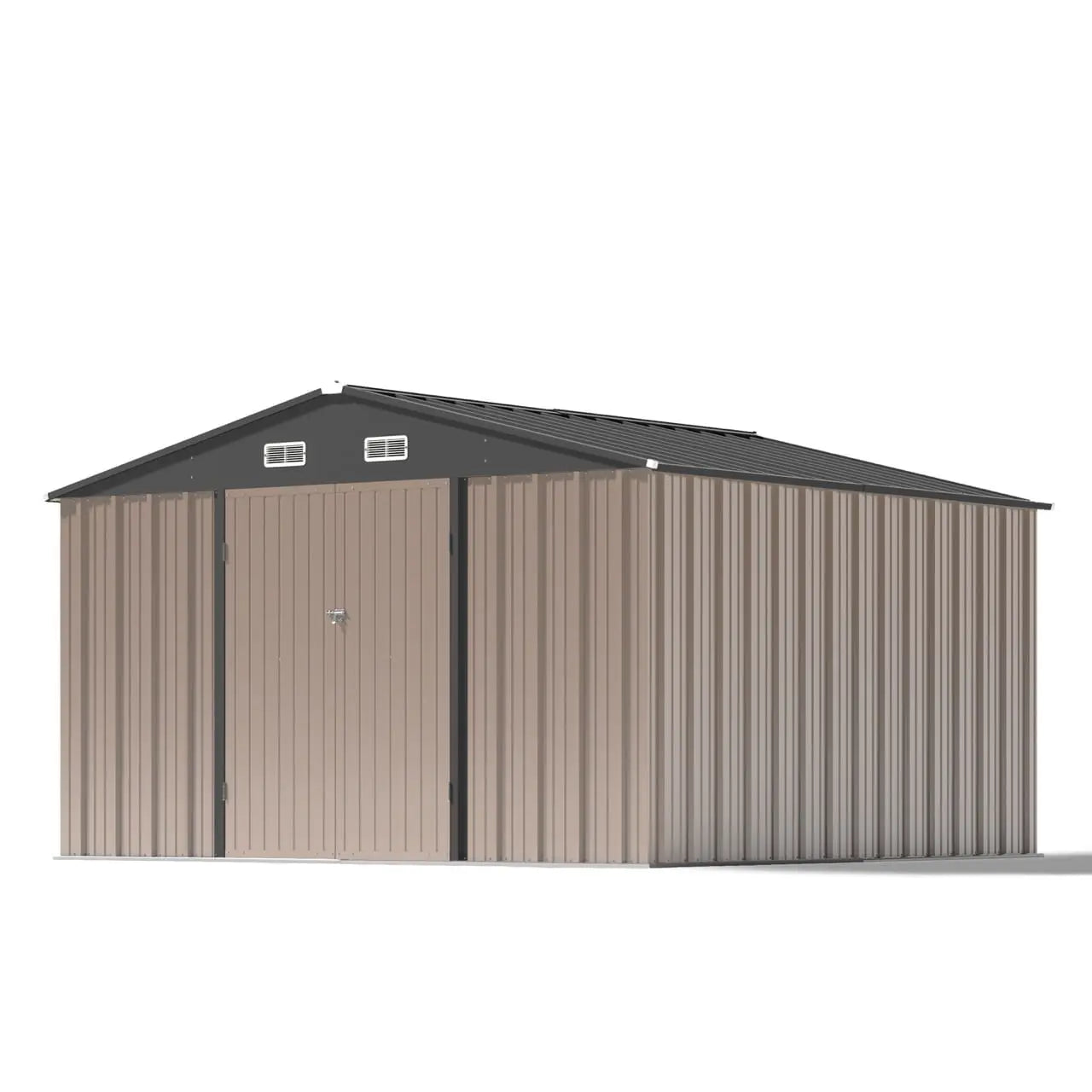
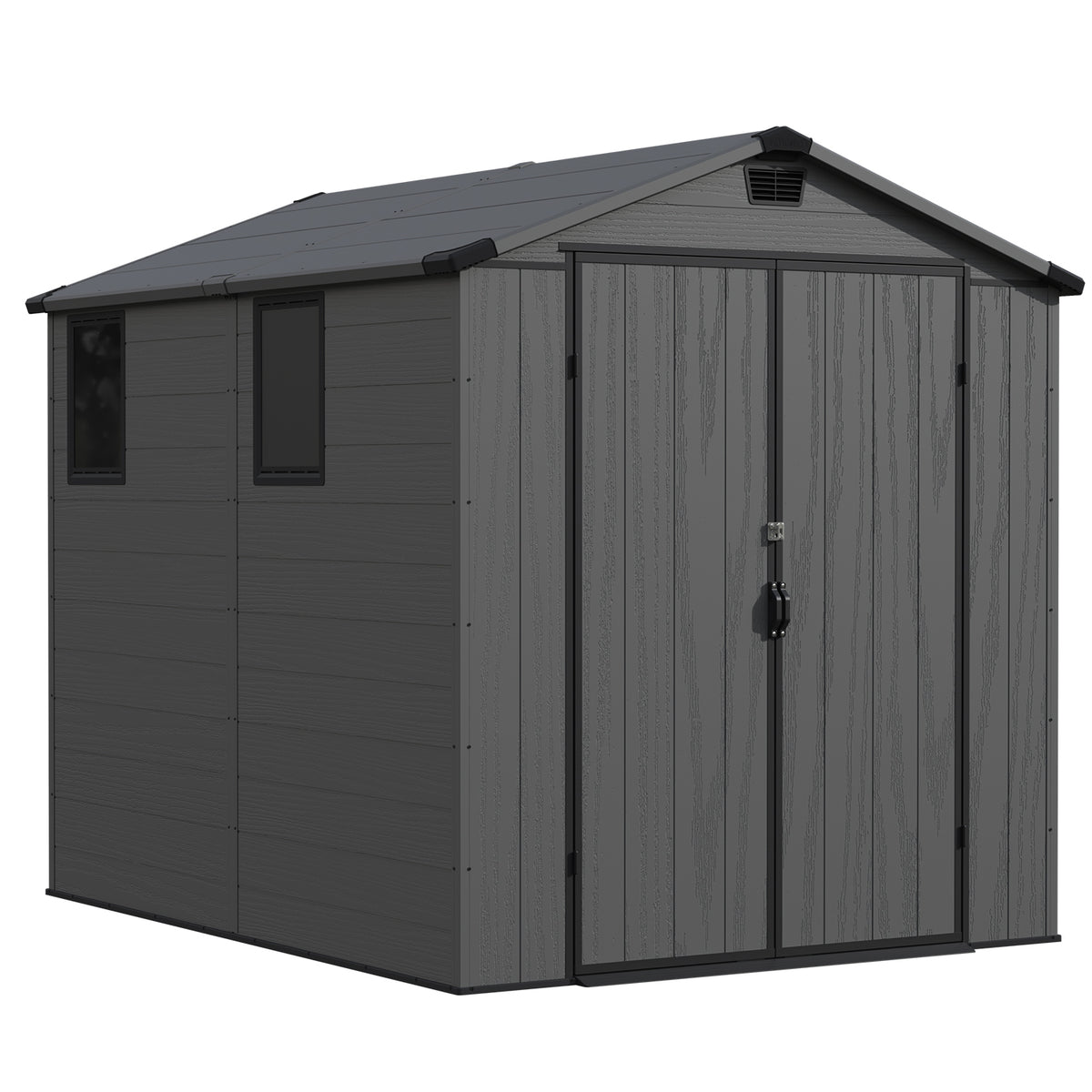
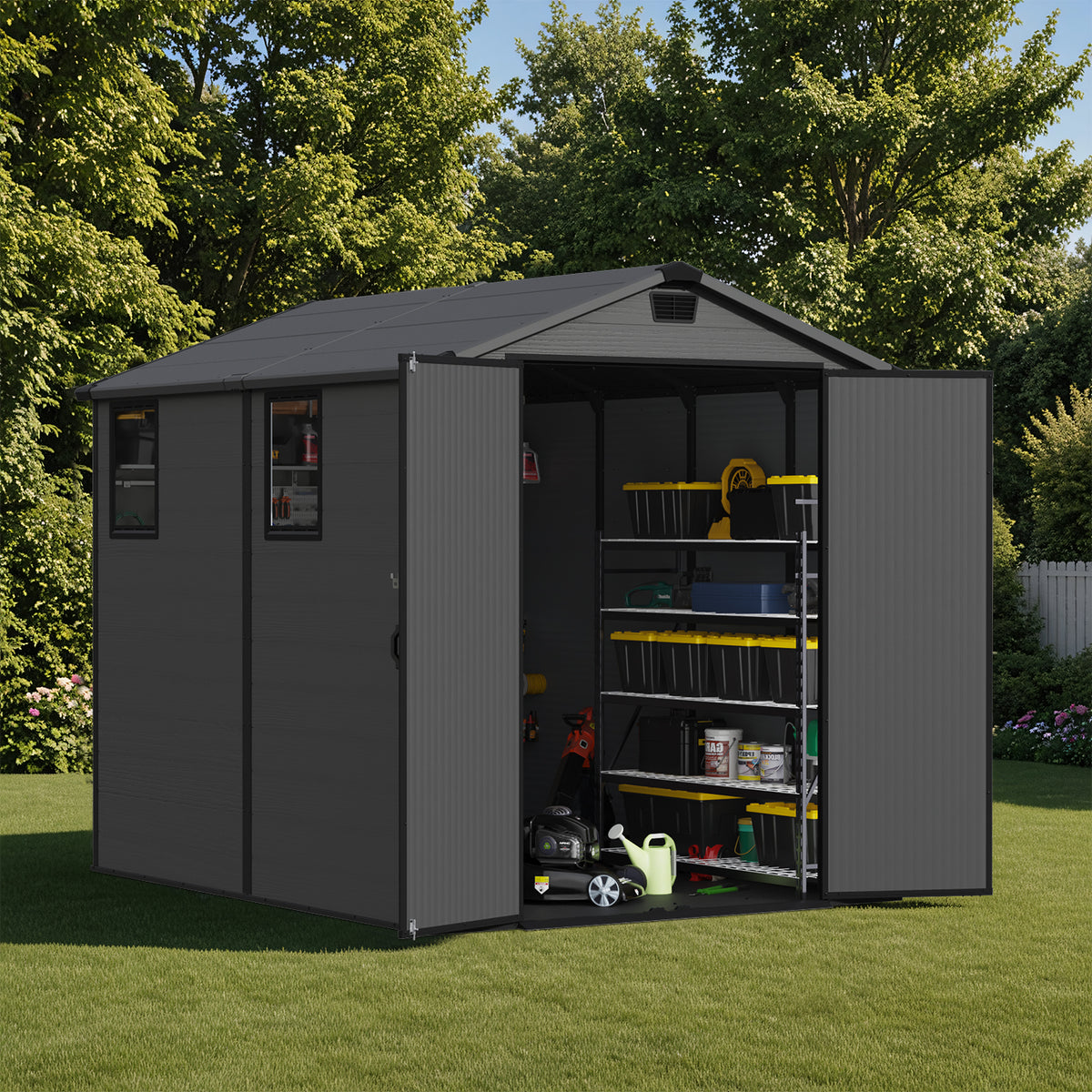


How to Choose the Best Shed for Your Needs?
Explore a wide selection of Patiowell garden sheds designed to suit every outdoor space in Patiowell.com
When choosing the right garden shed, consider factors such as size, material, storage capacity, and your intended use. Whether you need extra room for garden tools, outdoor equipment, or seasonal items, selecting the right shed will help you maximize storage, keep your backyard organized, and enjoy a durable solution for years to come.
You need to determine two things:
What are garden sheds used for?
Discover how garden sheds provide practical storage and versatile outdoor space for tools, equipment, gardening supplies, and more.
Which garden sheds are right for you?
Metal or wooden sheds? Sheds with a floor or without a floor? Explore the different types of garden sheds to find the best fit for your outdoor space and storage needs.
What are garden sheds used for?
When most people think of garden sheds, they immediately picture a tool shed filled with lawn mowers, pruning shears, garden hoses, bags of soil, and other outdoor equipment. While tool sheds are perfect for organising gardening essentials, modern garden sheds offer far more than simple storage.
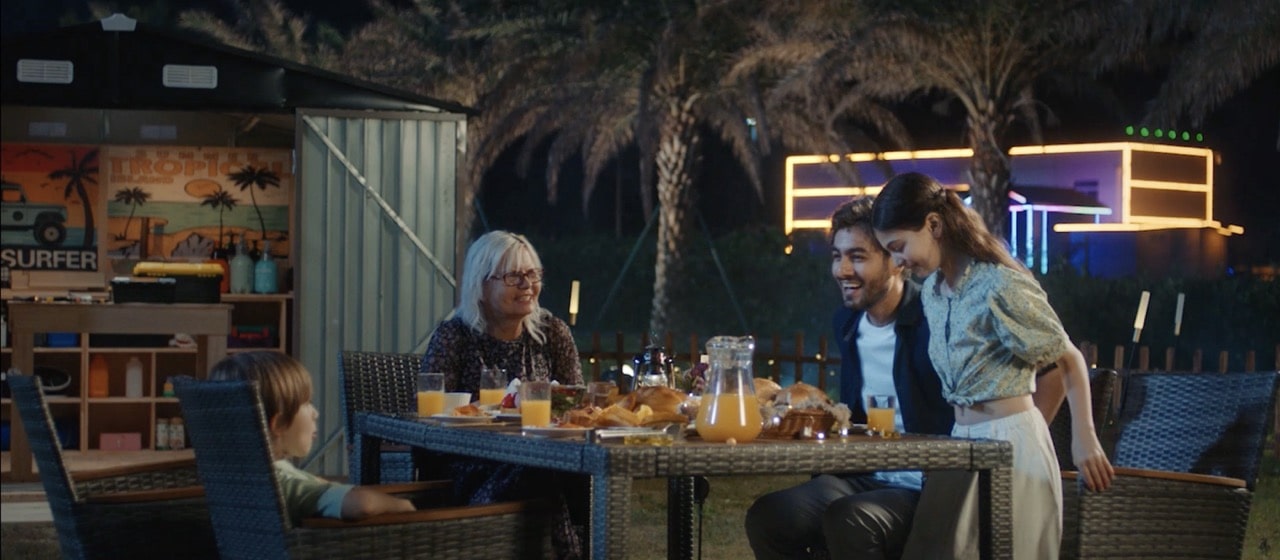
Today, garden sheds can be transformed into practical workspaces, hobby rooms, backyard animal shelters, or even relaxing retreats. Whether you need additional storage or want to maximise your outdoor living space, the right shed can serve many different purposes.
Organise your garden tools and equipment: The most common use for garden sheds is as a tool shed. Keep lawn mowers, wheelbarrows, hand tools, and potting supplies organised and protected from the elements. Tool sheds also provide convenient storage for DIY equipment, ladders, power tools, and outdoor cleaning supplies, helping free up valuable garage space.
Add extra storage to your home: If your garage or utility room is overflowing, garden sheds provide a convenient storage solution. Store bicycles, patio furniture cushions, seasonal decorations, and sports equipment in one secure location. A spacious storage shed keeps your home organised while protecting valuable belongings throughout the year.
Raise backyard chickens or small animals: Many homeowners convert garden sheds into backyard chicken coops. With proper ventilation, nesting boxes, insulation, and an attached chicken run, a shed can provide a safe and comfortable home for laying hens. Larger garden sheds can also be adapted for raising ducks, rabbits, quail, or other small livestock, making them a practical addition to a self-sufficient backyard.
Create a workshop or hobby space: A garden shed can easily become a dedicated workshop for woodworking, DIY projects, home repairs, gardening, or crafting. Install a workbench, shelving, pegboards, and good lighting to create an organised workspace where tools and materials are always within easy reach.
Design a Children's Playhouse: Instead of using your garden shed solely for storage, turn it into a dream playhouse for your children. Add rugs, bookshelves, toys, bean bags, craft tables, or reading corners to create a fun and safe space where children can play, learn, and spend time with friends.
Build a backyard office or studio: As remote working becomes increasingly popular, many homeowners are converting garden sheds into comfortable home offices, art studios, music rooms, fitness spaces, or yoga retreats. A well-insulated shed provides a quiet environment that's separate from the distractions of the main house.
Which garden sheds are right for you?
Sheds with a floor or without a floor?
Wooden Sheds vs. Metal Sheds vs. Plastic Sheds
One of the most important decisions when choosing garden sheds is selecting the right material. The three most popular options - wooden sheds, metal sheds, and plastic sheds - each offer unique benefits depending on your budget, climate, and intended use.
Wooden sheds are valued for their classic appearance and natural charm. However, wooden sheds require regular maintenance, including sealing or painting, to protect against moisture, insects, and rot.
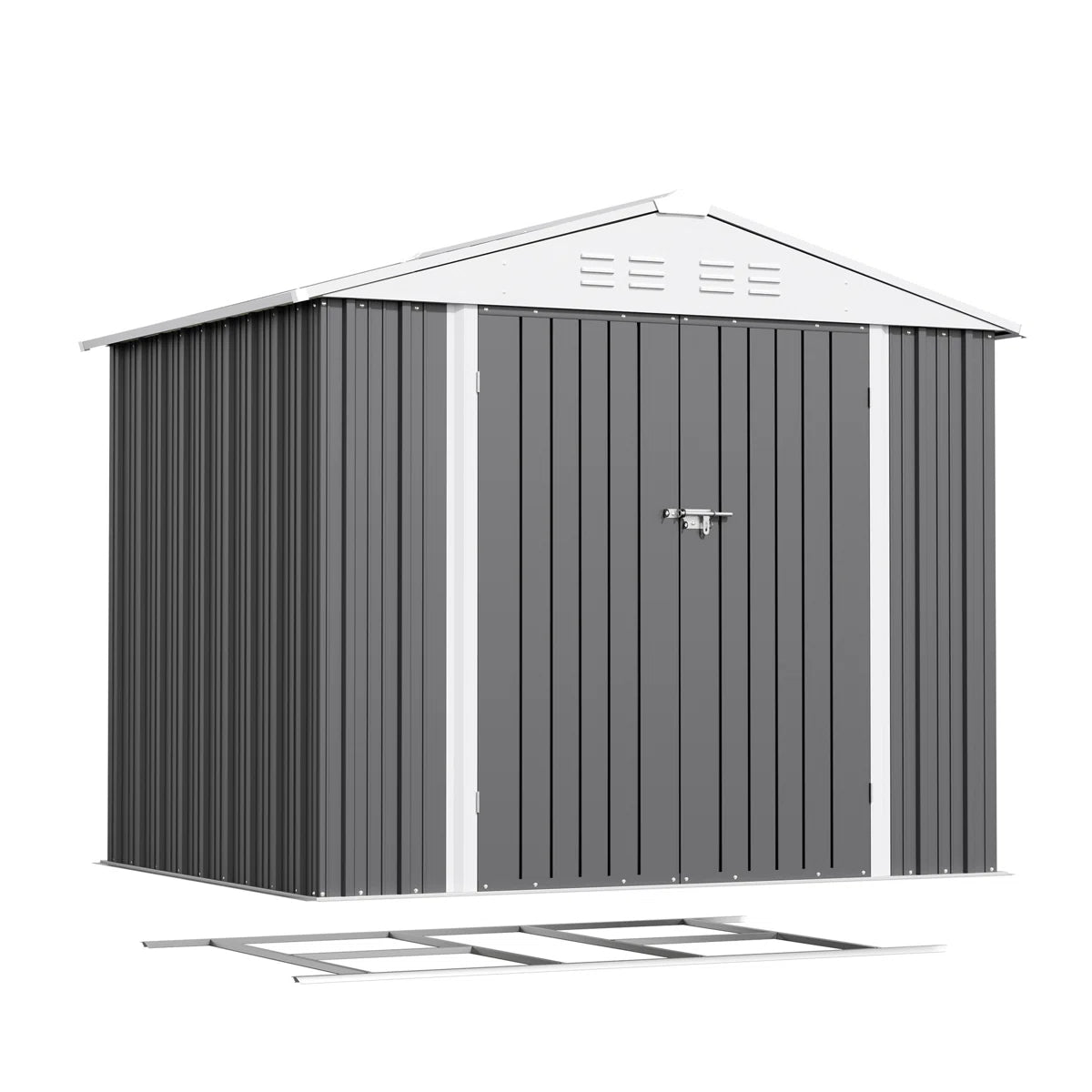
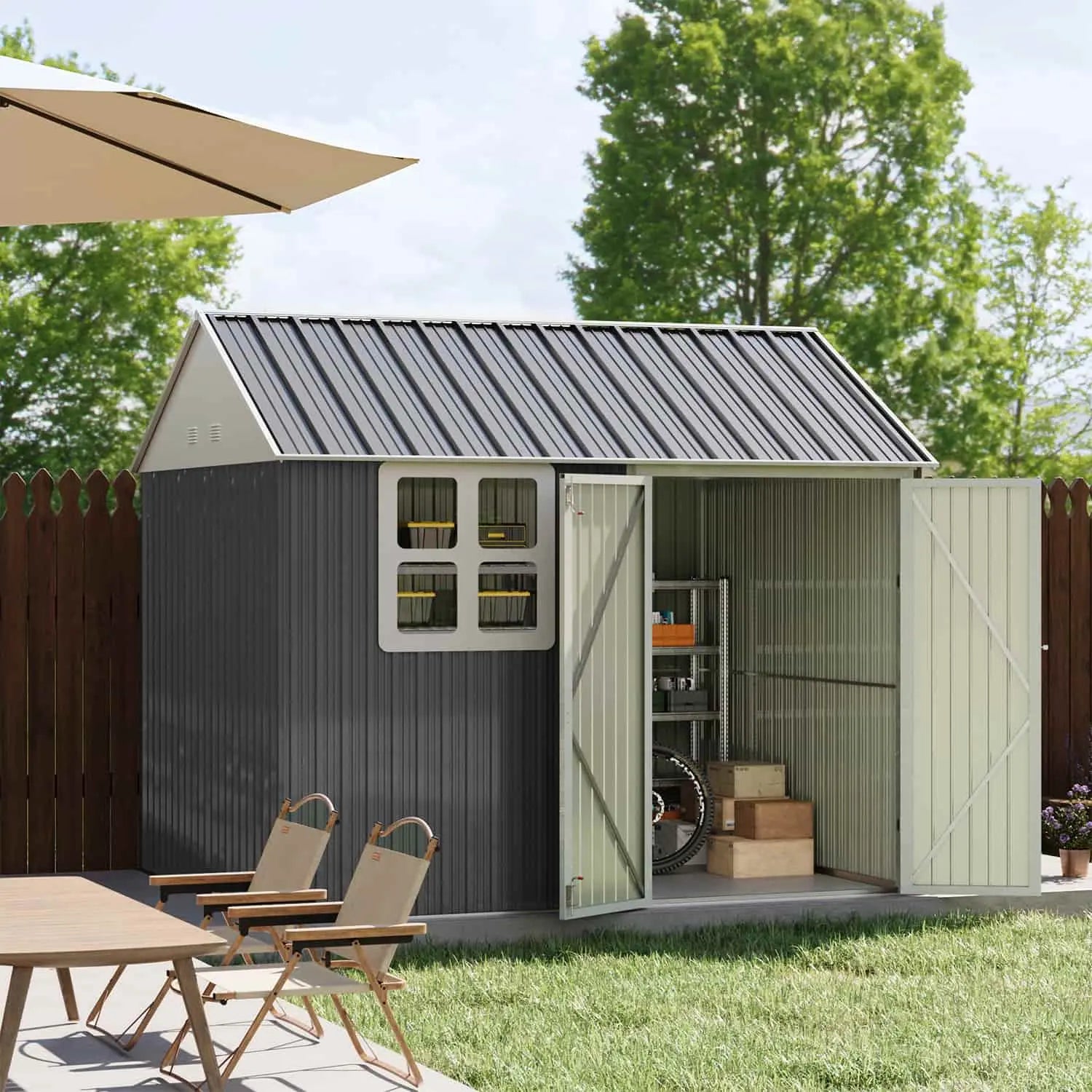
Metal sheds are a popular choice for homeowners seeking strength and security. Made from galvanised steel or aluminium, metal garden sheds resist fire, pests, and rot while requiring very little maintenance. They are well suited for storing lawn equipment, power tools, bicycles, and other valuable items. Many metal sheds feature sliding doors, built-in ventilation, and reinforced frames. Their main drawbacks are that they can become hot during summer, may experience condensation without adequate ventilation, and can be more difficult to modify after installation.
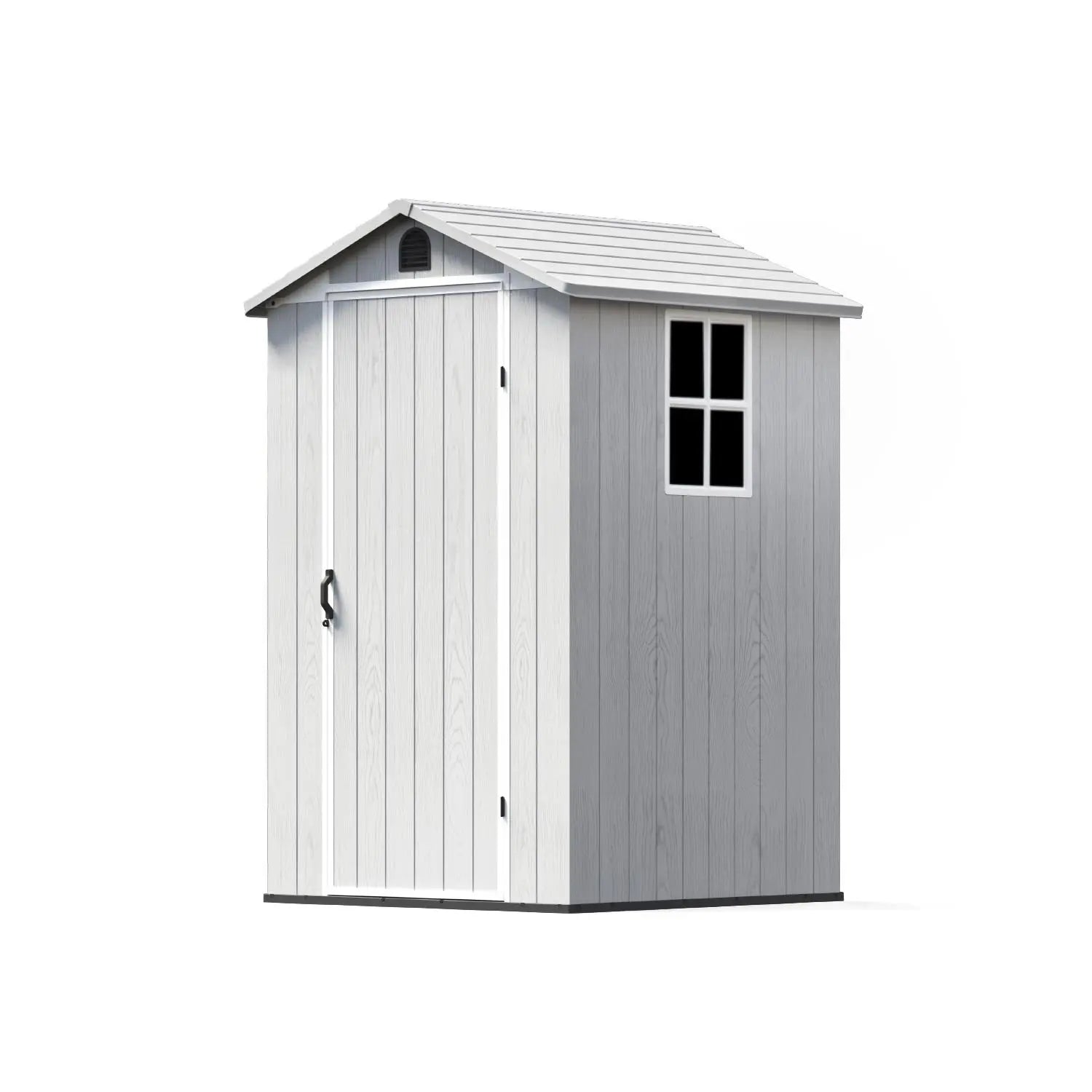
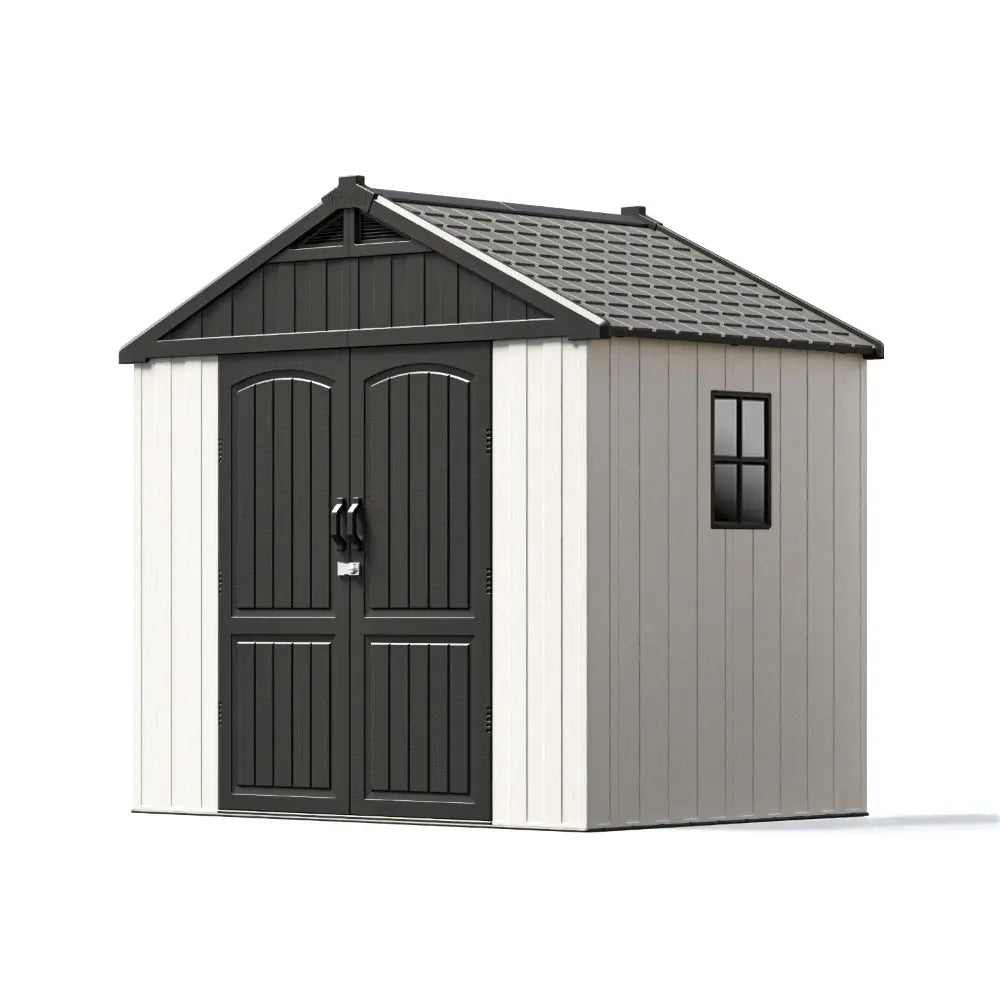
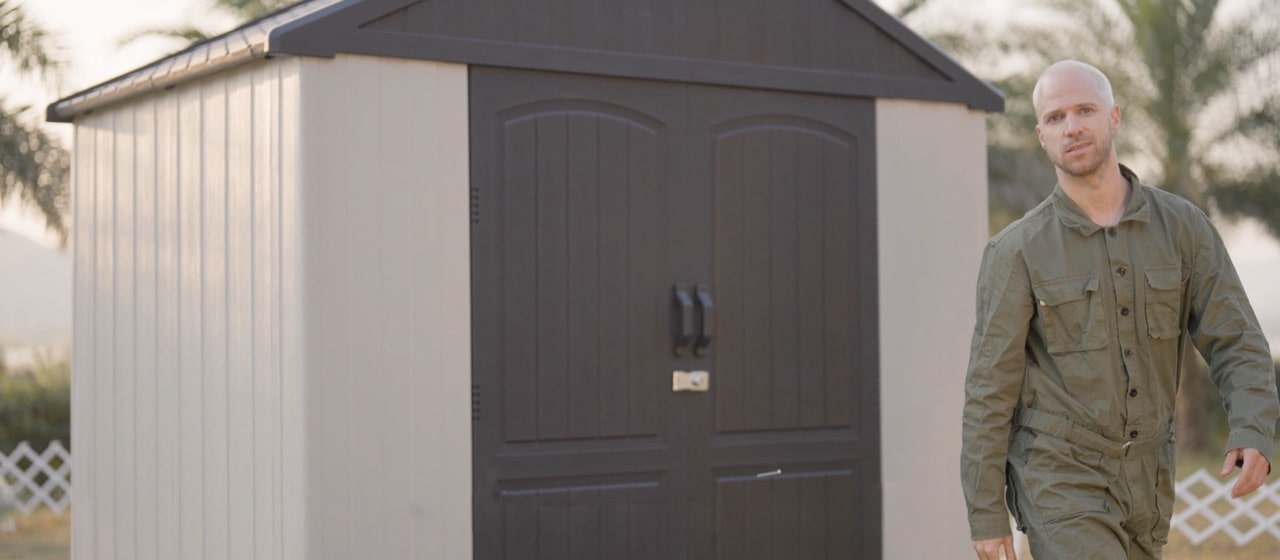
Plastic sheds, also known as resin sheds, have become increasingly popular thanks to their durability and low-maintenance design. High-quality plastic garden sheds resist rust, rot, fading, insects, and UV damage, making them an excellent choice for year-round outdoor storage. Unlike wood, they never need painting or staining, and they are generally easier to assemble than many metal or timber models. Many plastic sheds also include reinforced floors, lockable doors, windows, skylights, and steel-reinforced frames for added strength.
Should you choose a shed with a floor?
Another important consideration is whether to buy garden sheds with a built-in floor or choose a shed that requires a separate foundation.
A built-in floor provides immediate protection against moisture, dirt, insects, and rodents, making installation quicker and easier. Whether you choose a storage shed with or without a floor, we recommend that you build a foundation that best suits your property and storage needs.
Popular foundation options include:
Concrete slabs for maximum stability and long-term durability.
Timber platforms for a traditional appearance and good insulation.
Paving slabs or gravel bases for excellent drainage and easy installation.
Find the Perfect Garden Shed
Today's garden sheds are available in a wide range of sizes, styles, and materials to suit every outdoor space.
Whether you're looking for a compact tool shed, a spacious storage shed, a stylish wooden shed, or a durable metal shed, you'll find options designed for every budget and purpose. Many models include practical features such as lockable doors, ventilation panels, and windows for natural light to keep your belongings safe throughout the year.
Why Choose Patiowell?
To determine the size shed you need, assess your storage requirements by listing current and future items (e.g., garden tools, bikes, lawn equipment) and measure the available space in your yard, ensuring there's enough clearance for maintenance and access.
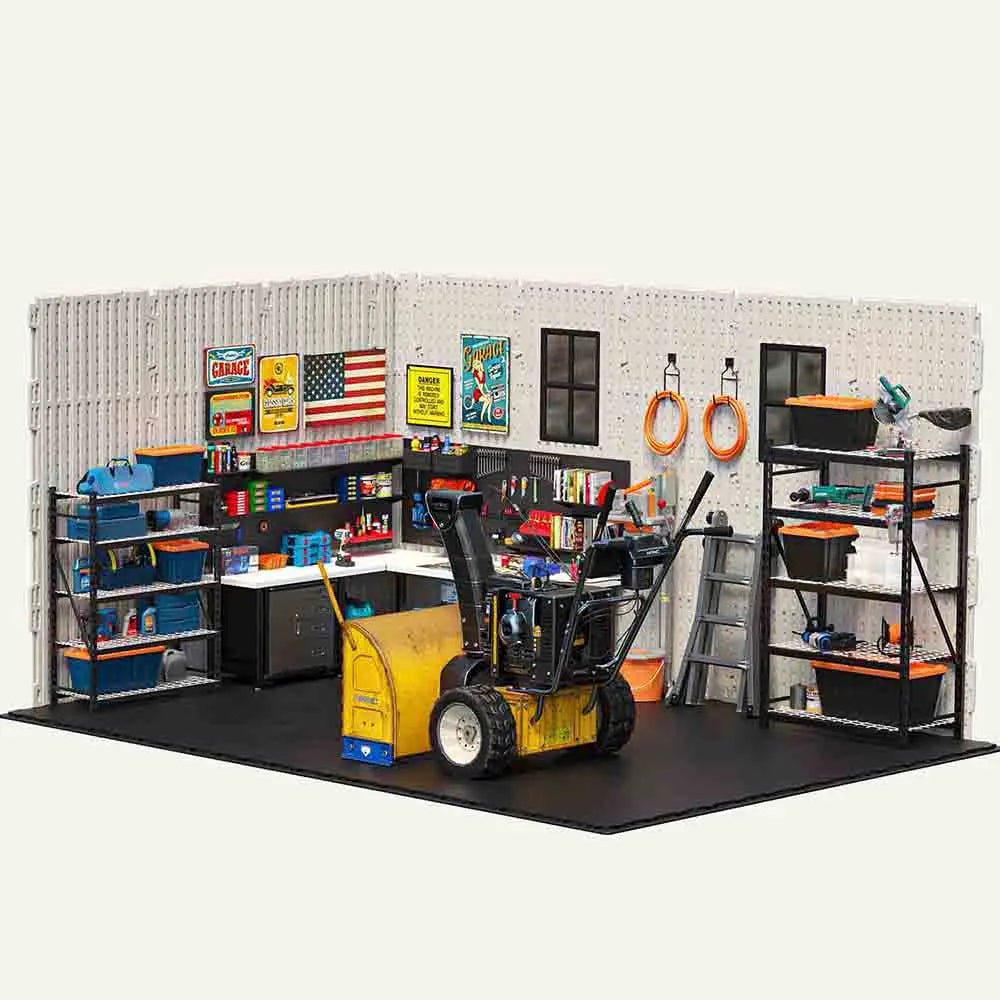
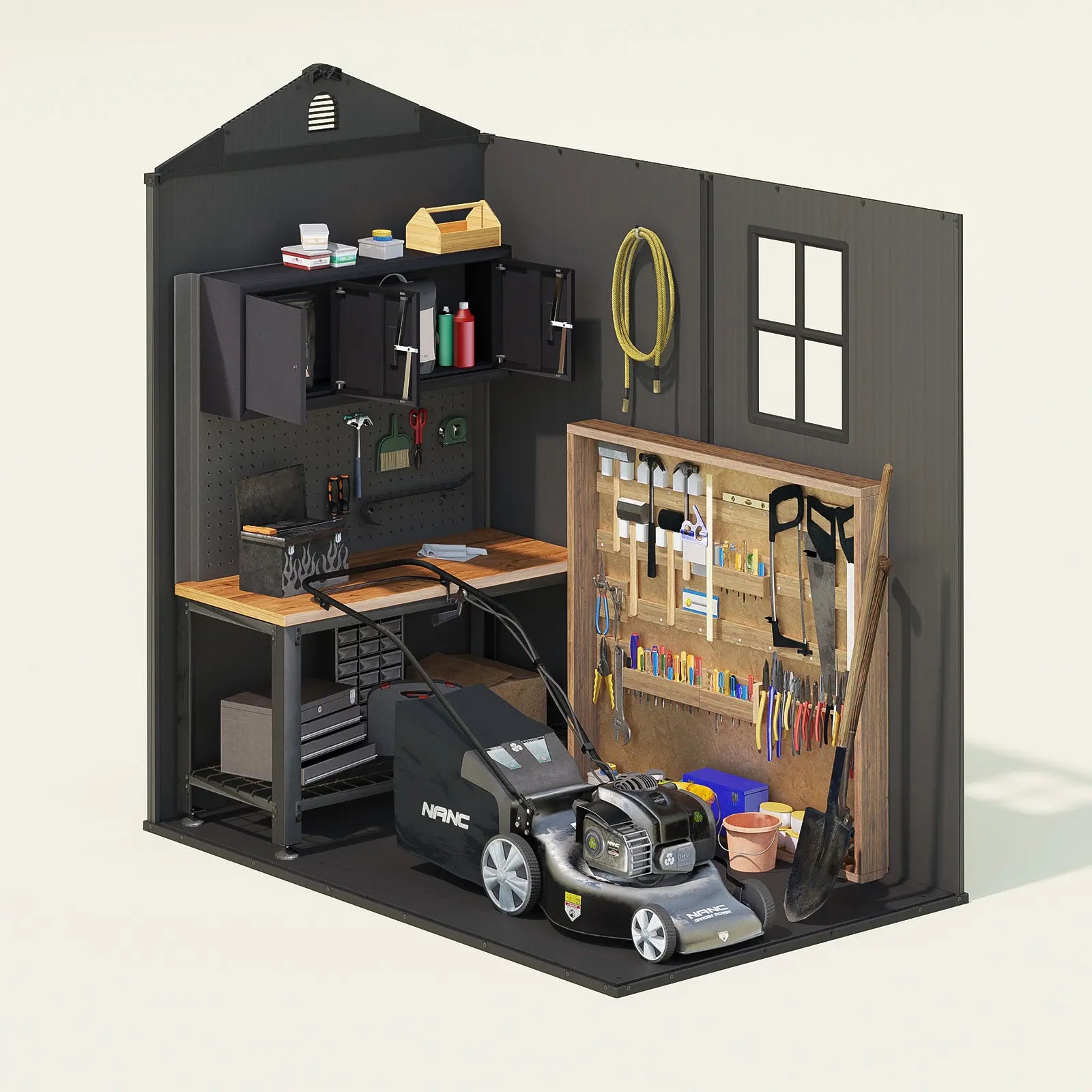
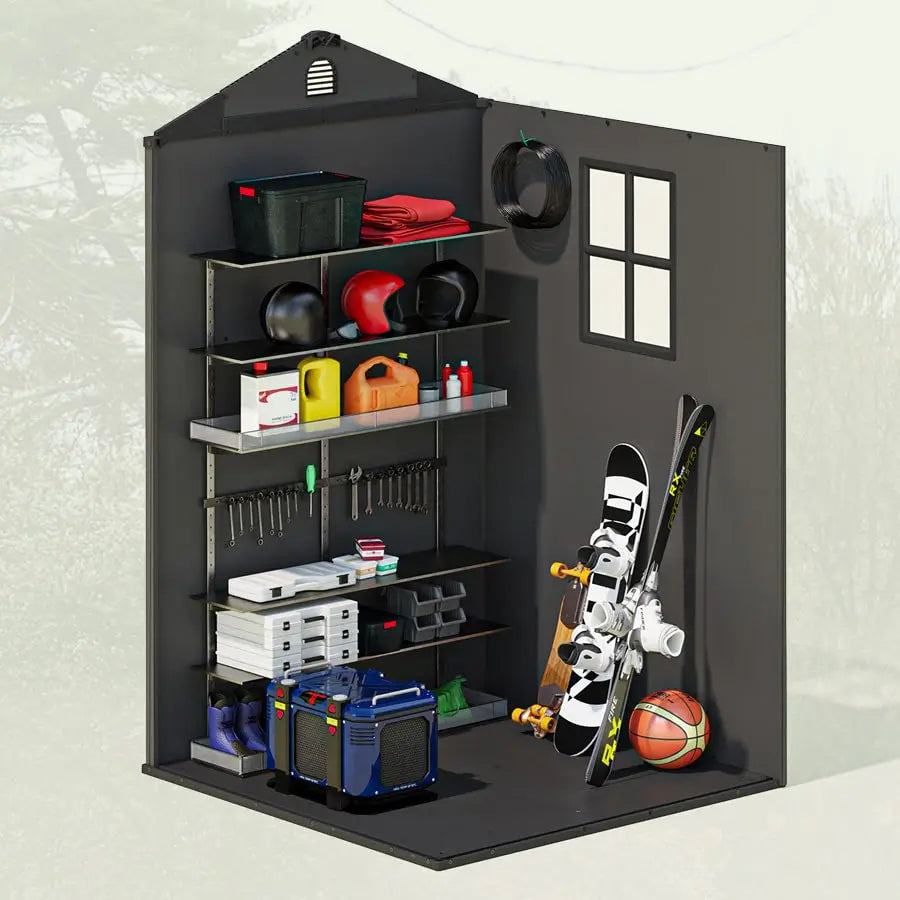
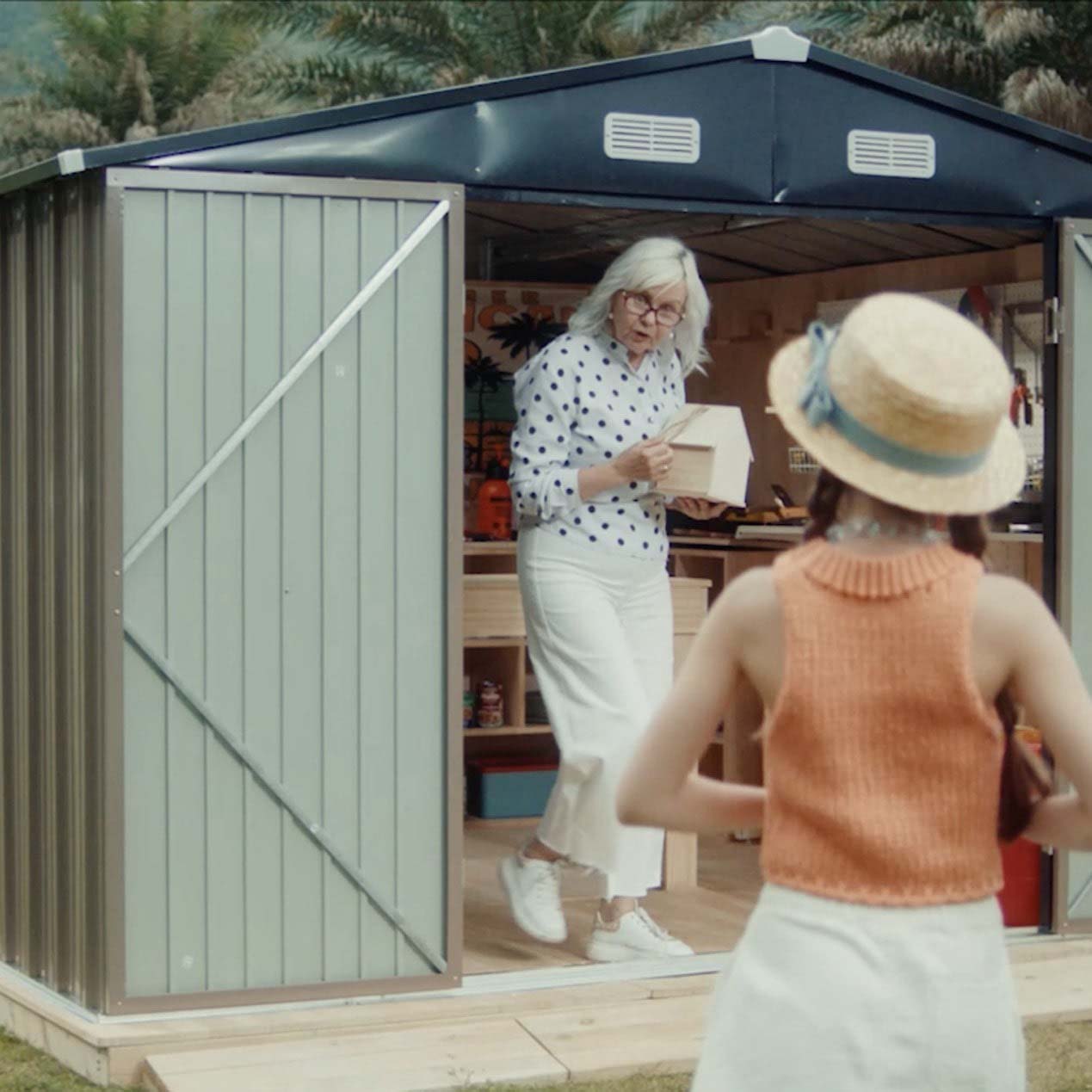
Patiowell's Sheds product line offers a comprehensive range of storage sheds to meet different needs and preferences. Whether you are looking for a sturdy and durable metal shed with low maintenance costs, a lightweight and easy-to-assemble plastic (resin) shed, or an outdoor shed that appreciates the natural beauty of wood, you can find solutions that meet your individual needs in the Sheds product line.
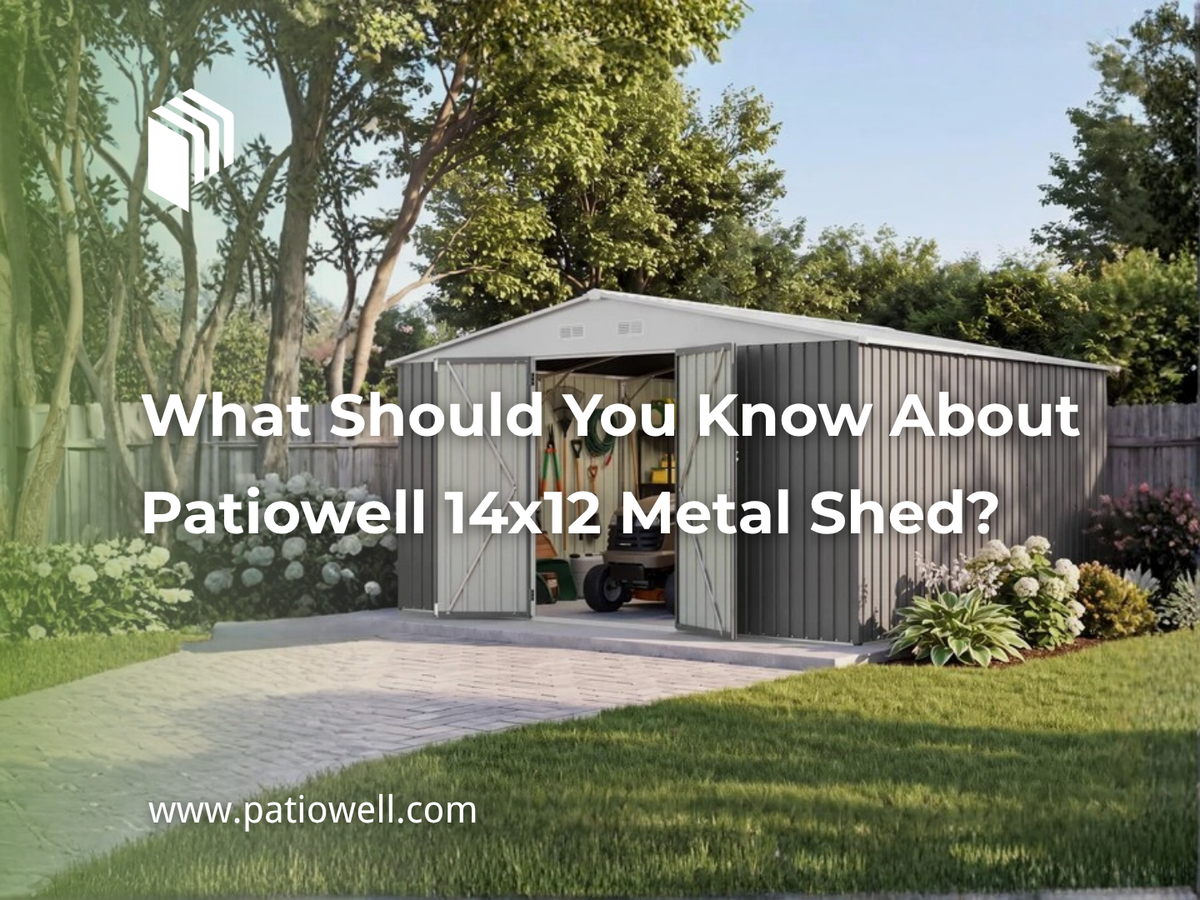
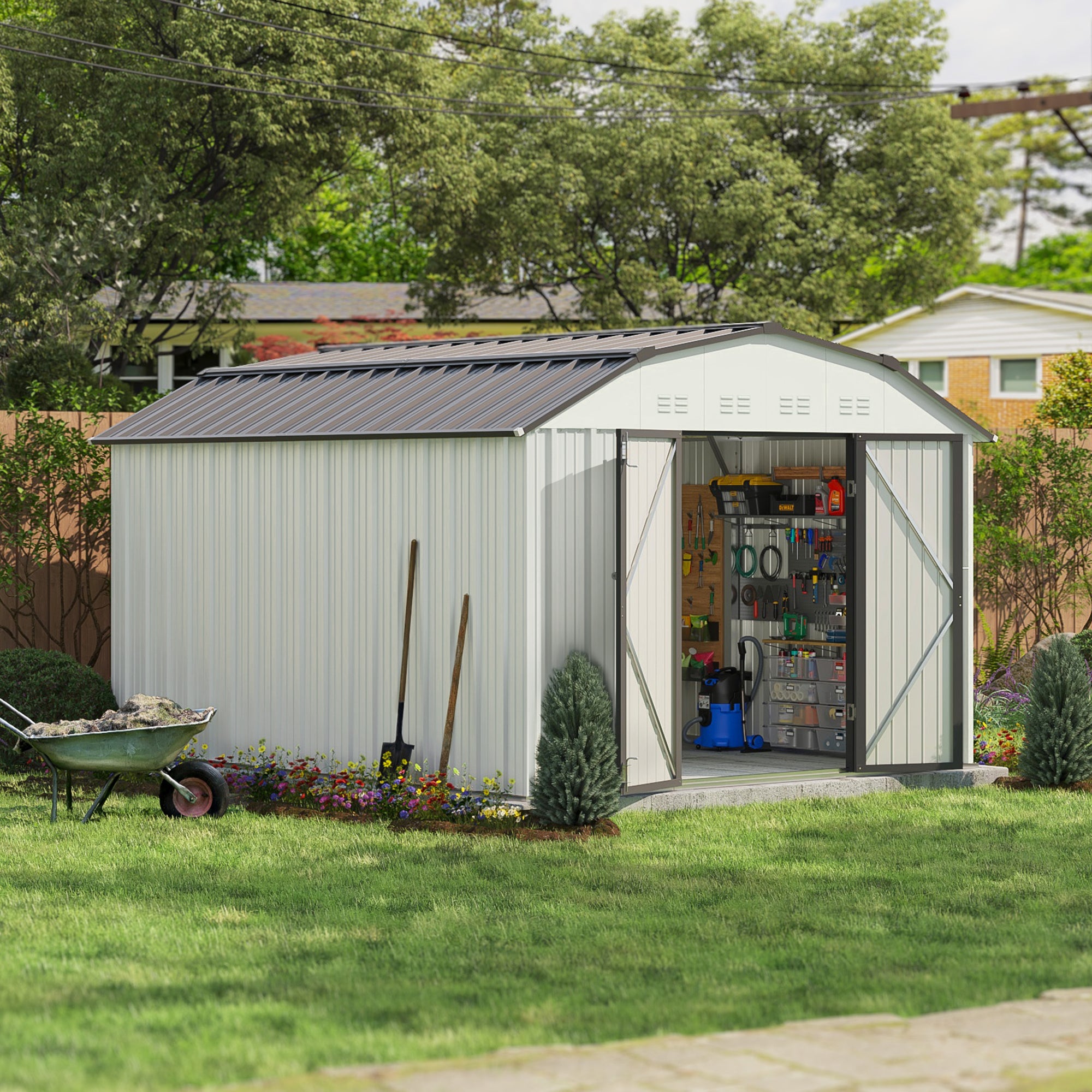
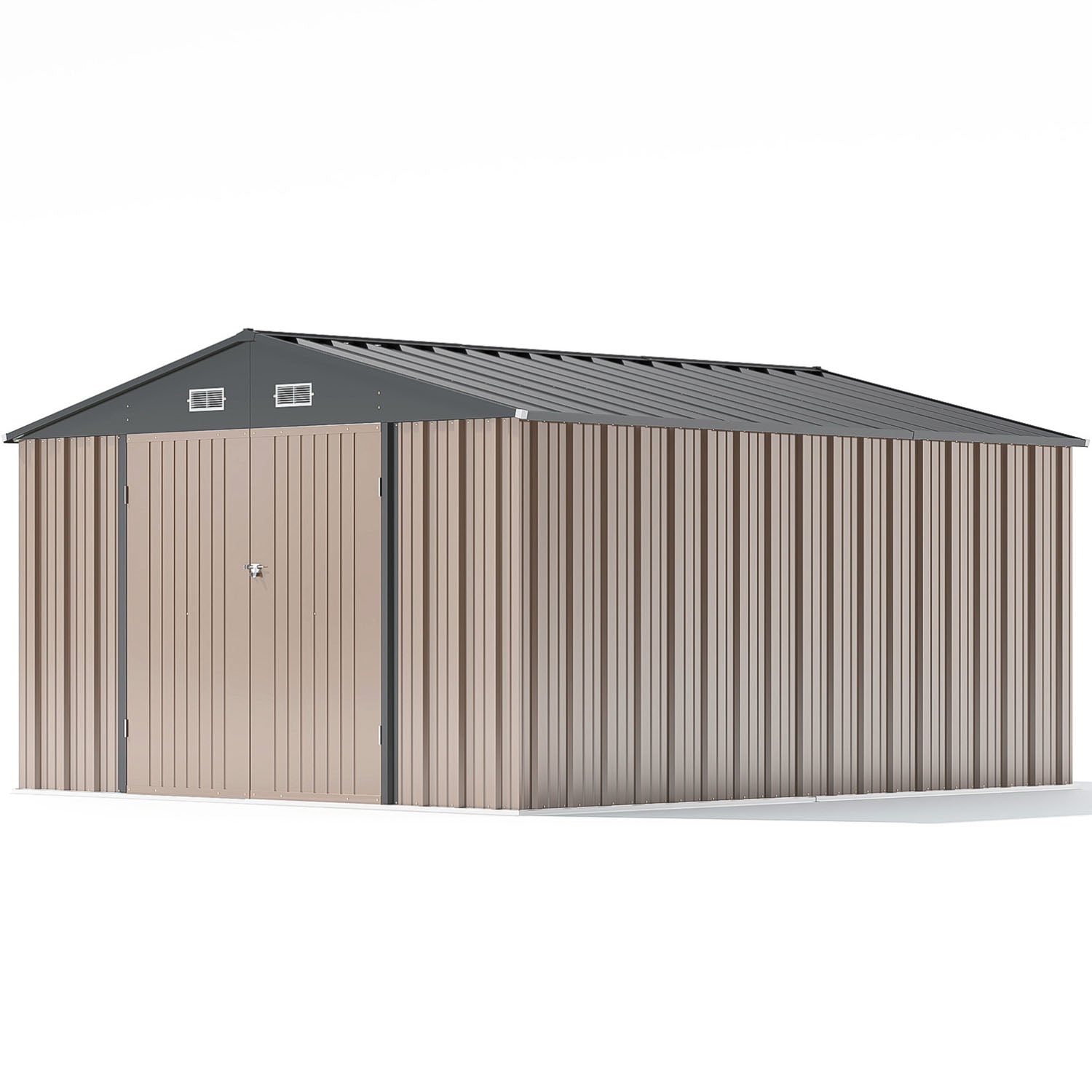
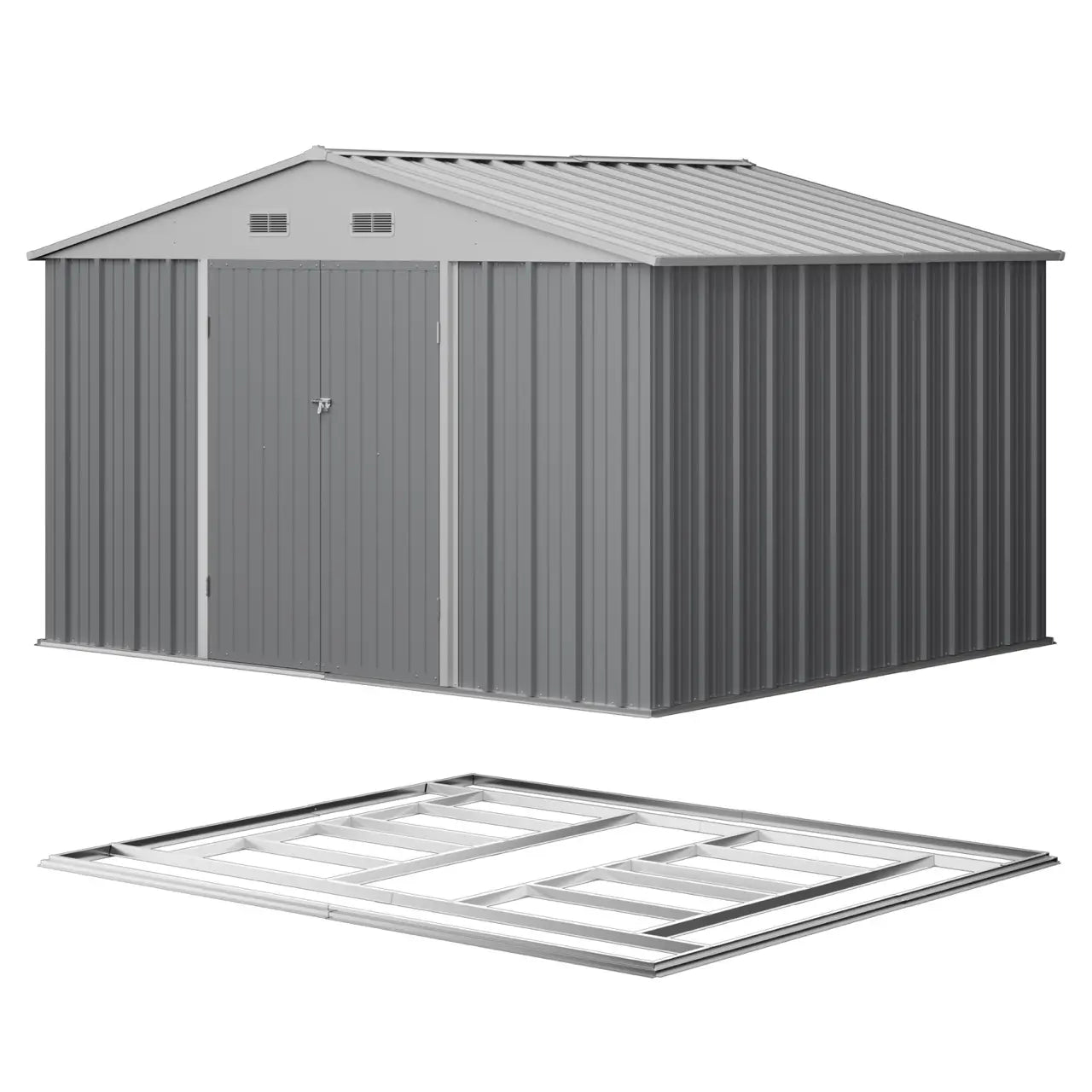
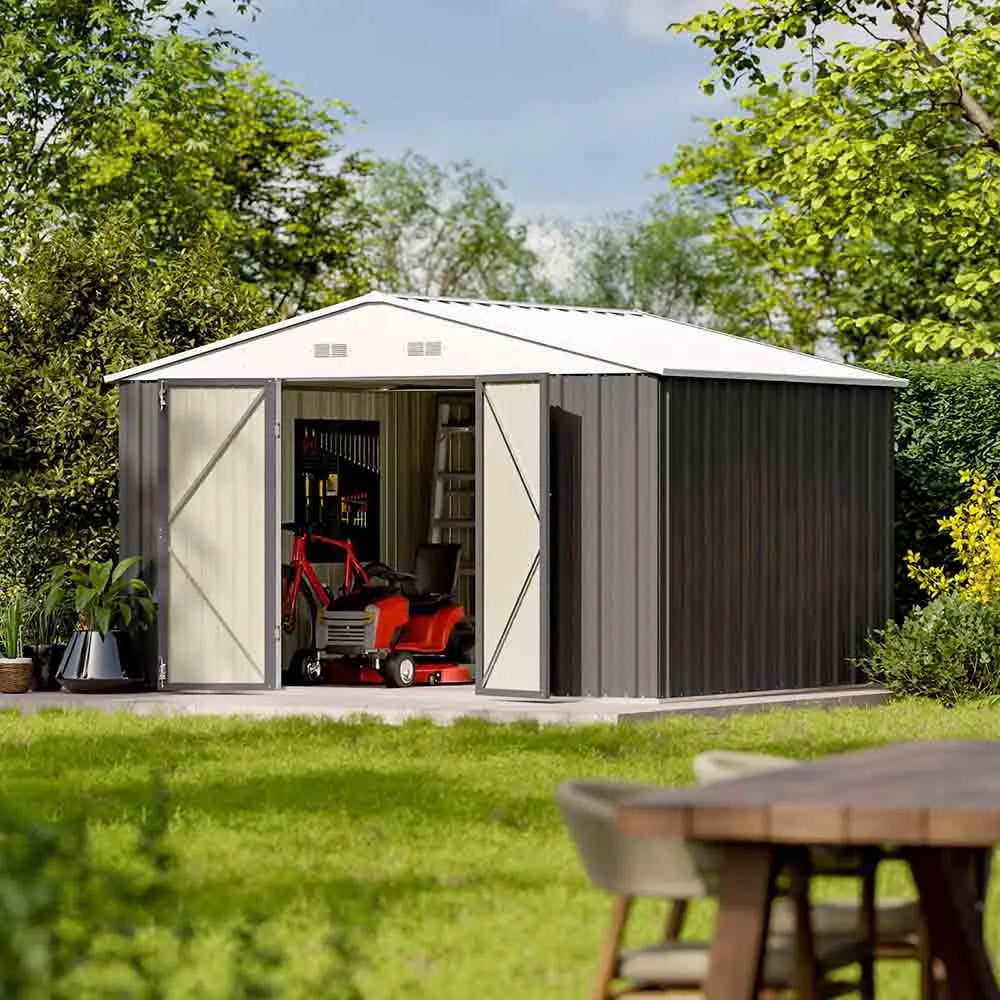
What Should You Know About the Patiowell 14x12 Metal Shed?
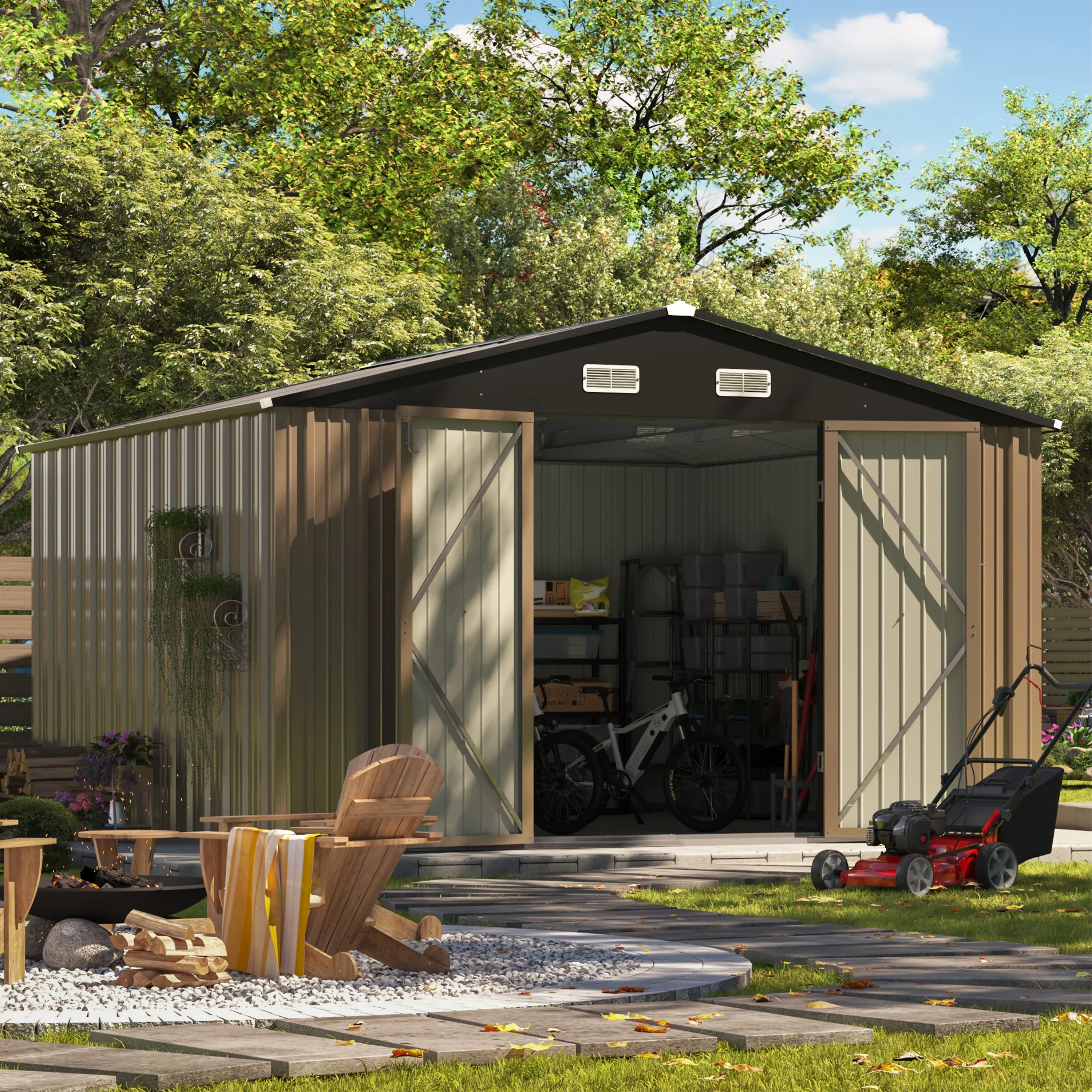
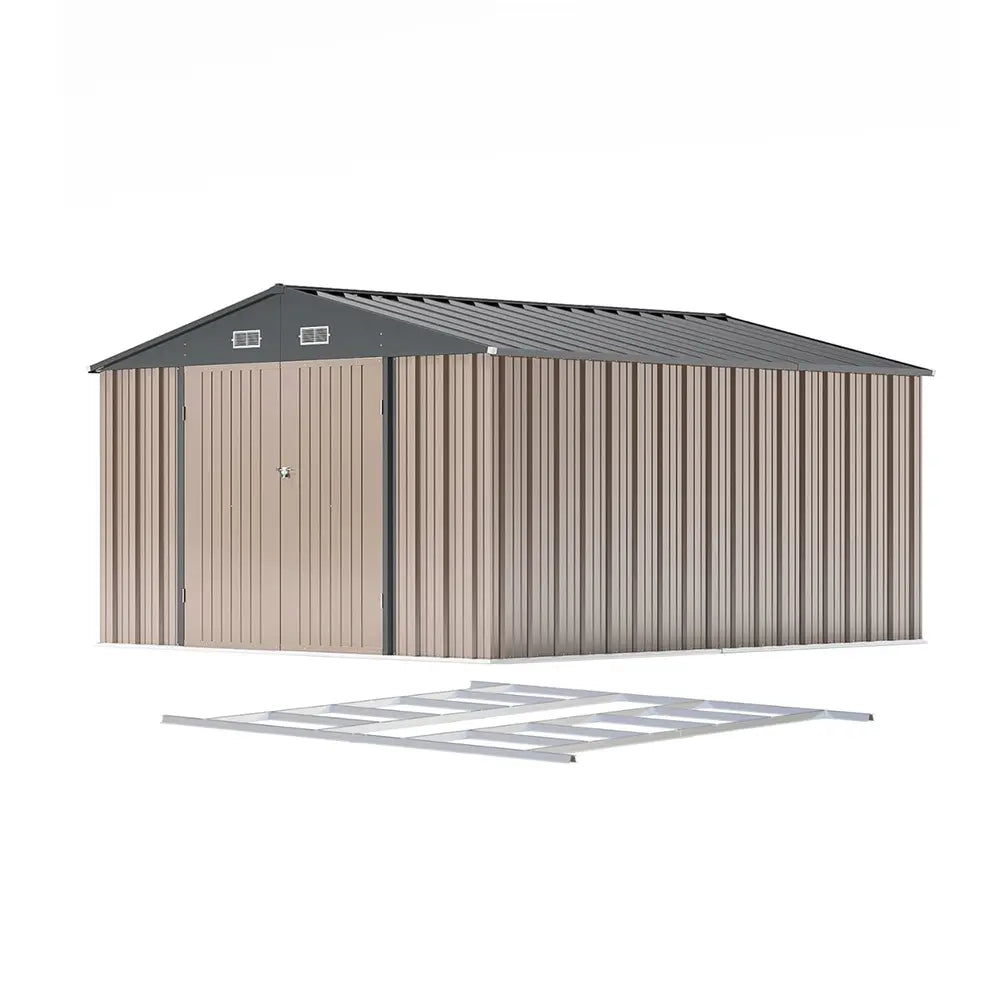
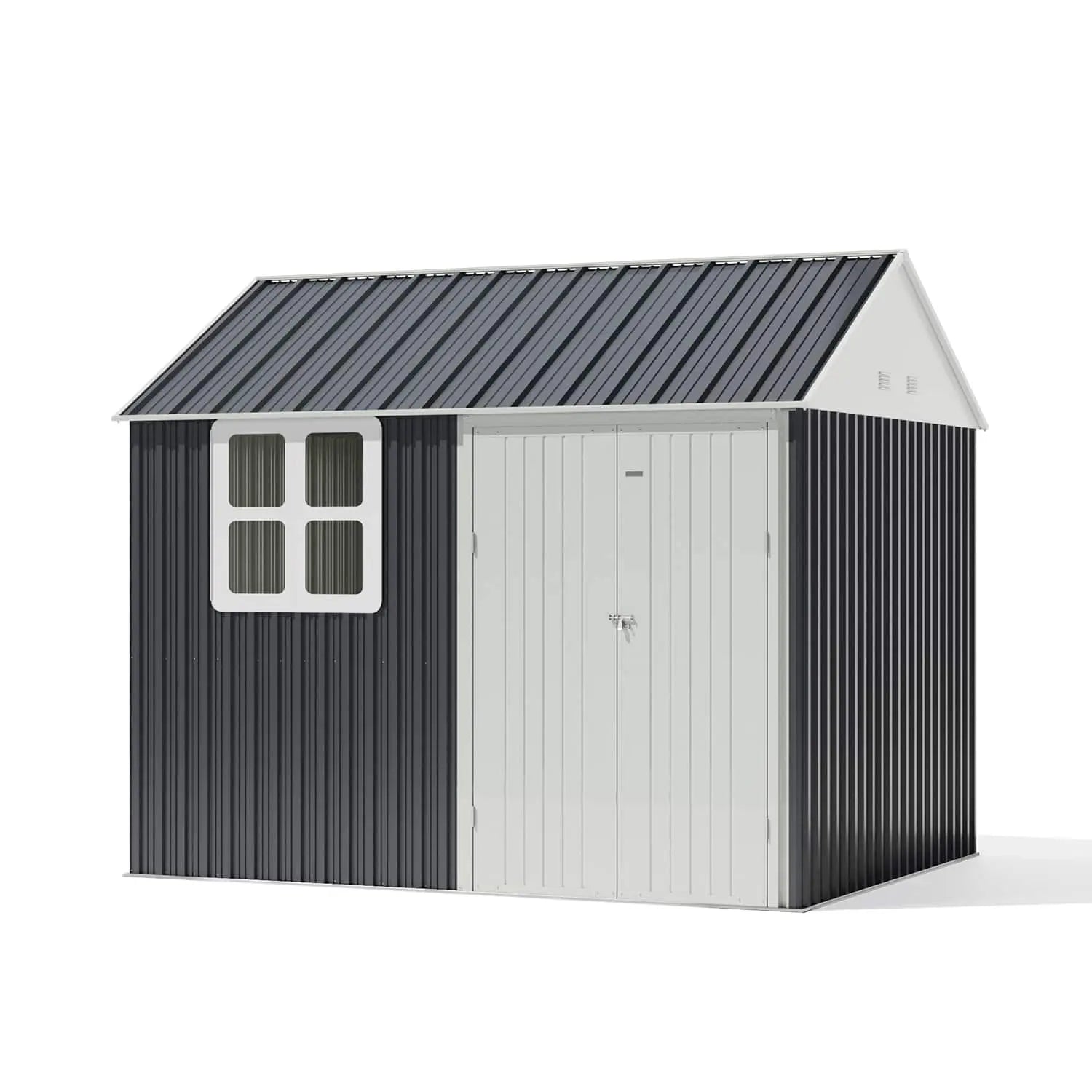
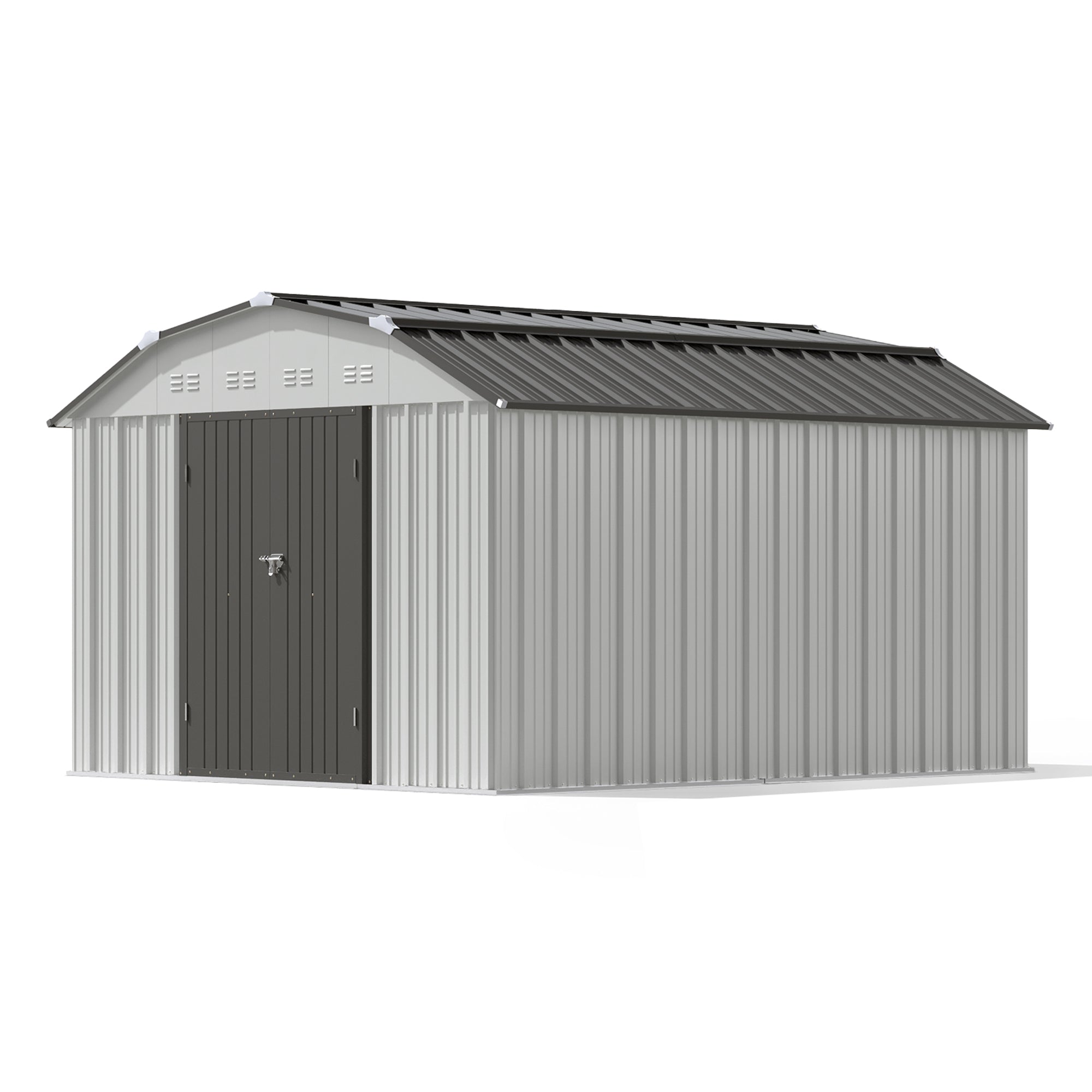
Discover the Patiowell 14x12 Metal Shed with 168 sq. ft. of storage.
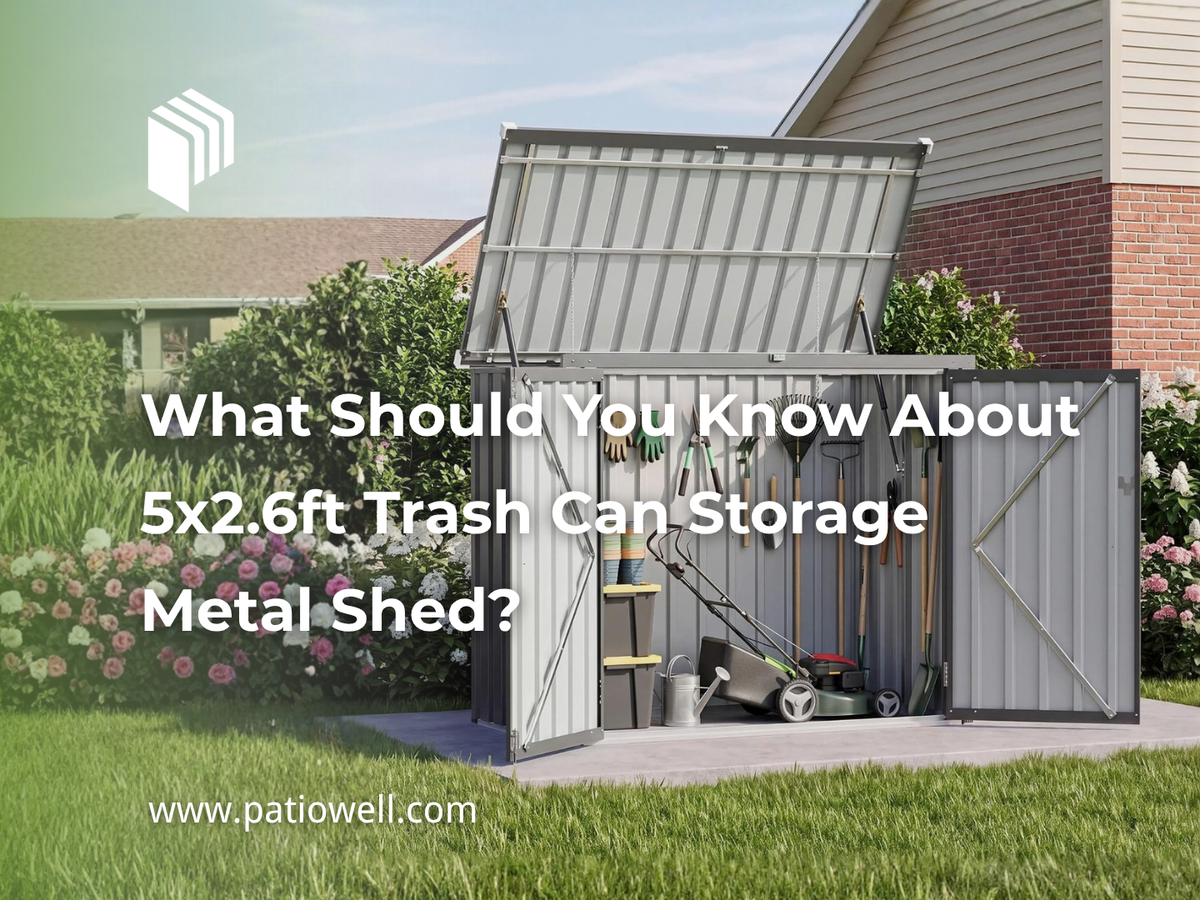
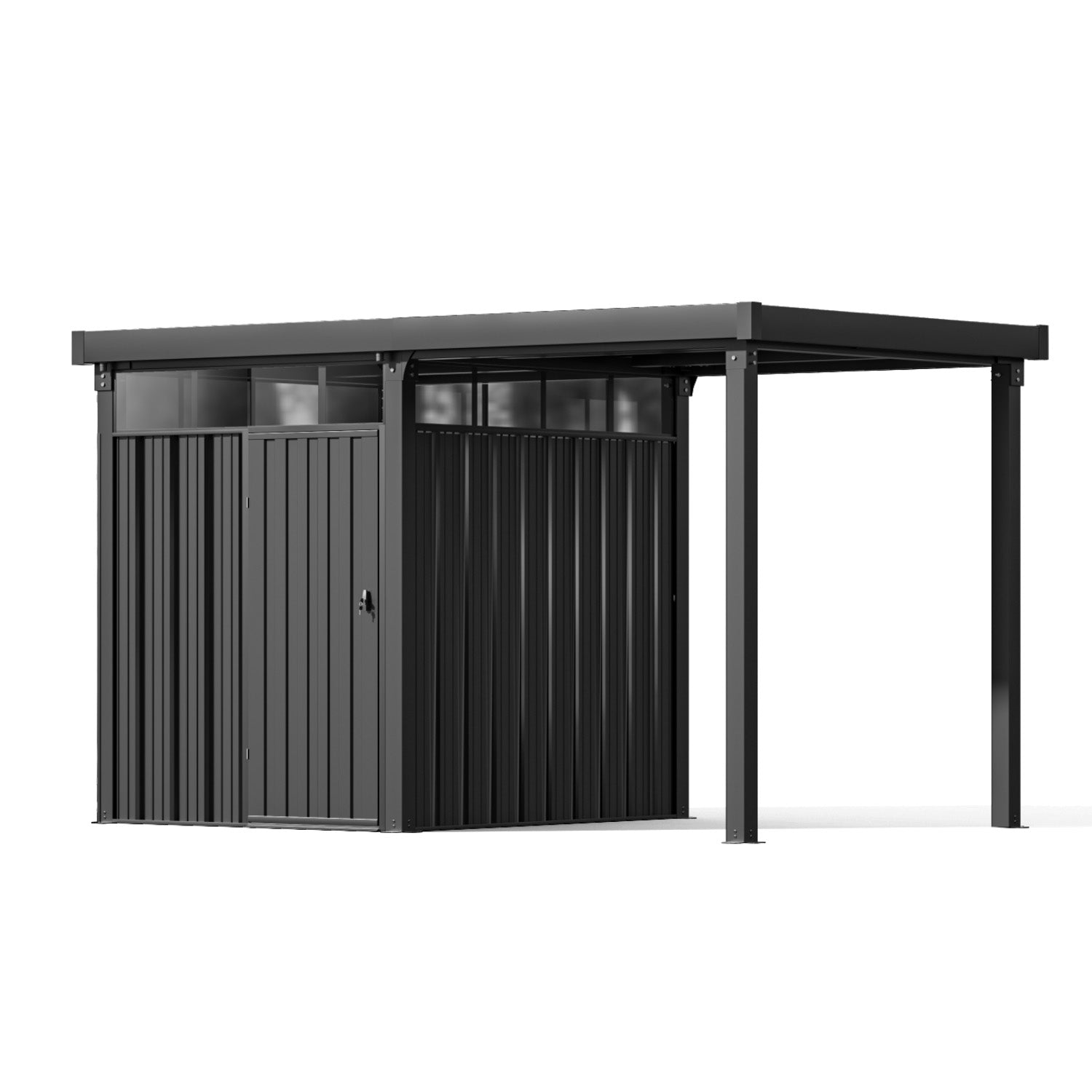
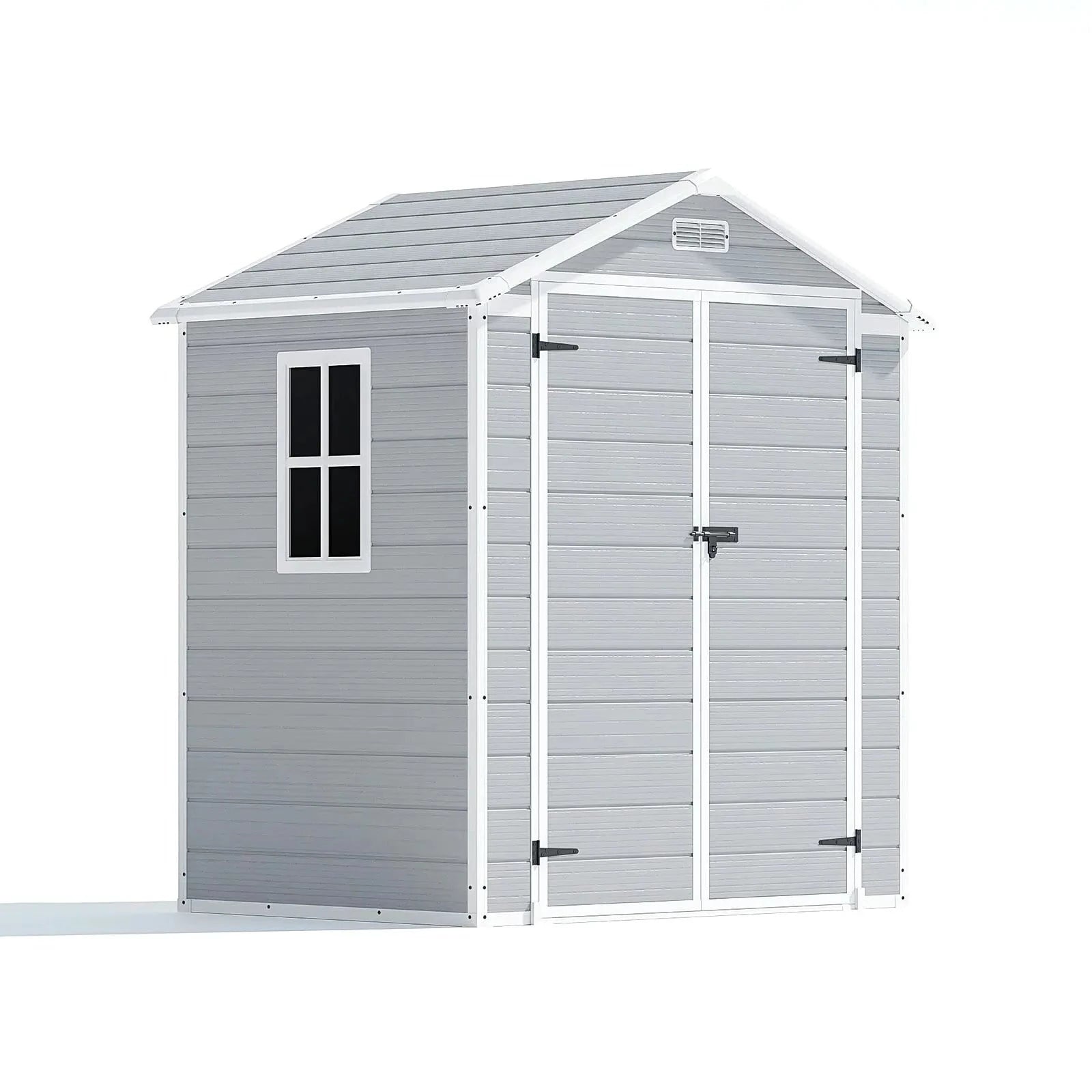
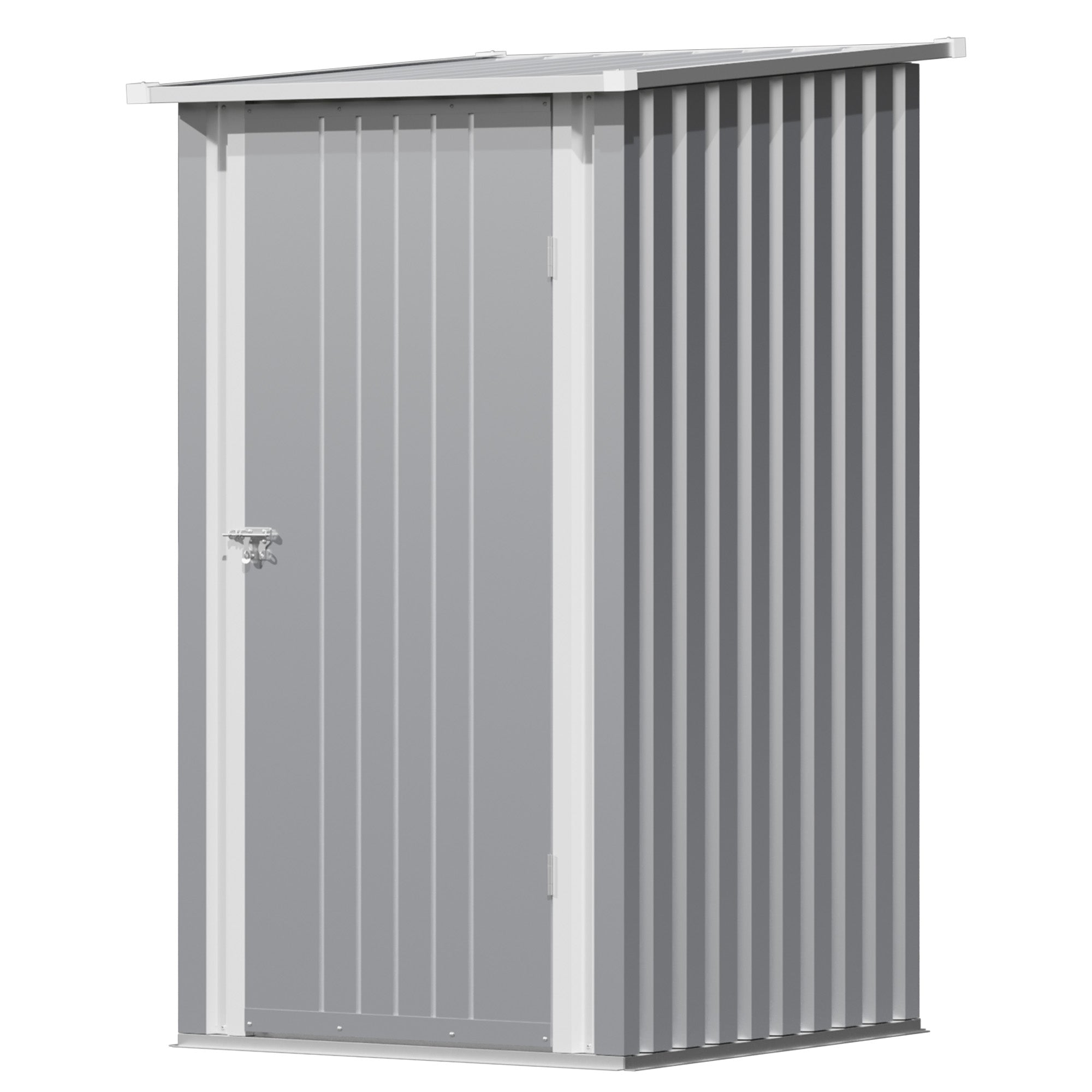
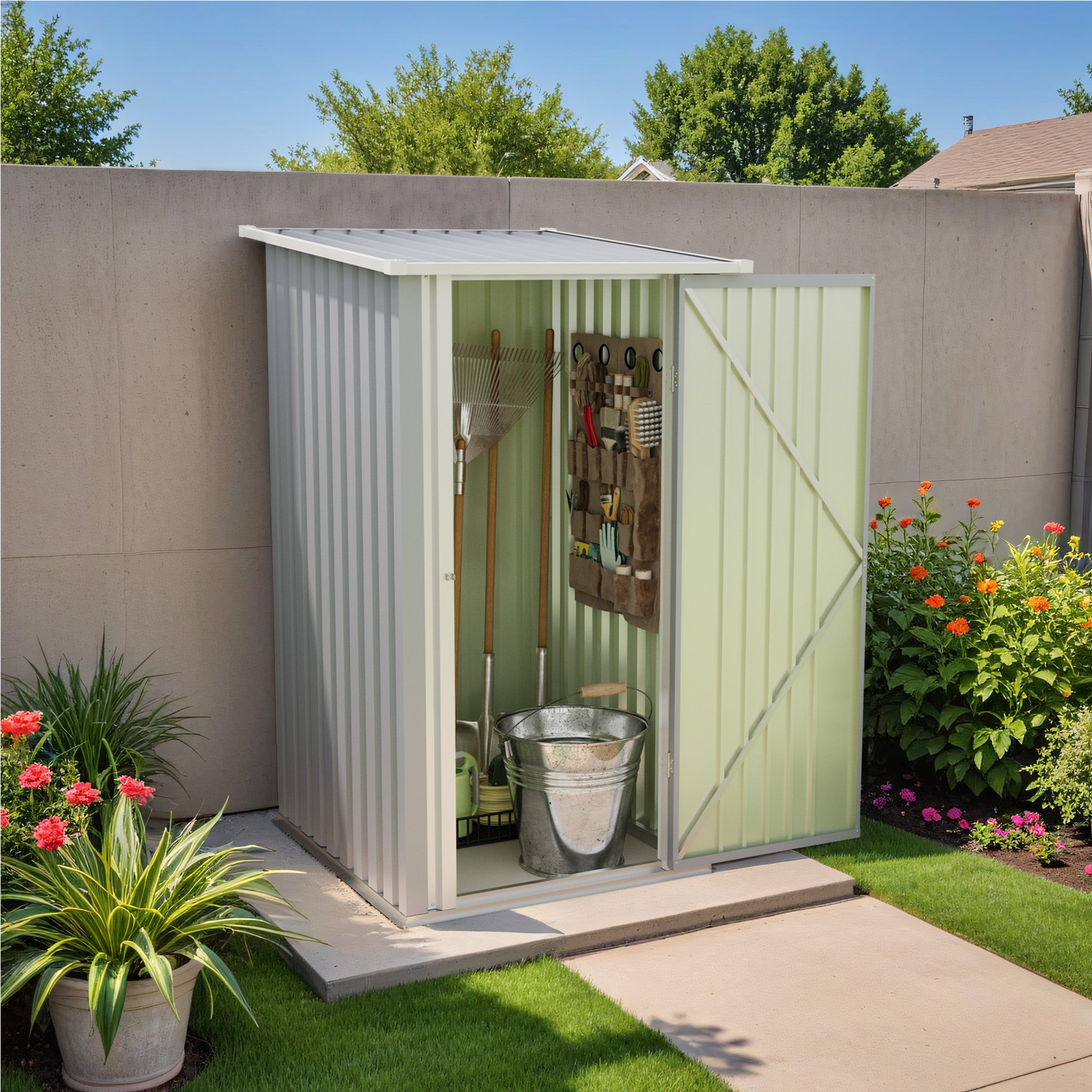
What Should You Know About the Patiowell 5x2.6 FT Trash Can Storage Metal Shed?
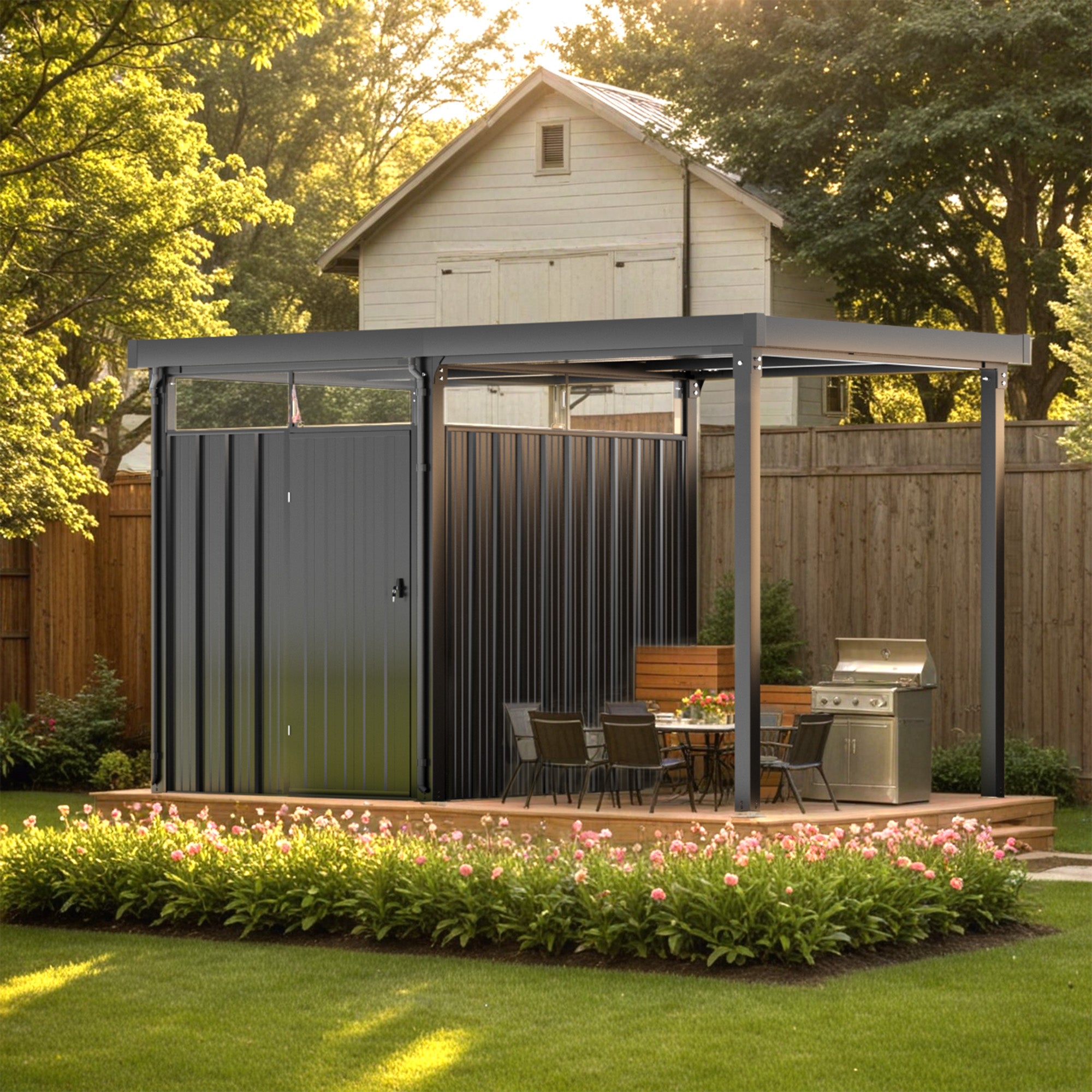
Keep your outdoor space clean and organized with the Patiowell 5x3 FT Trash Can Storage Shed.
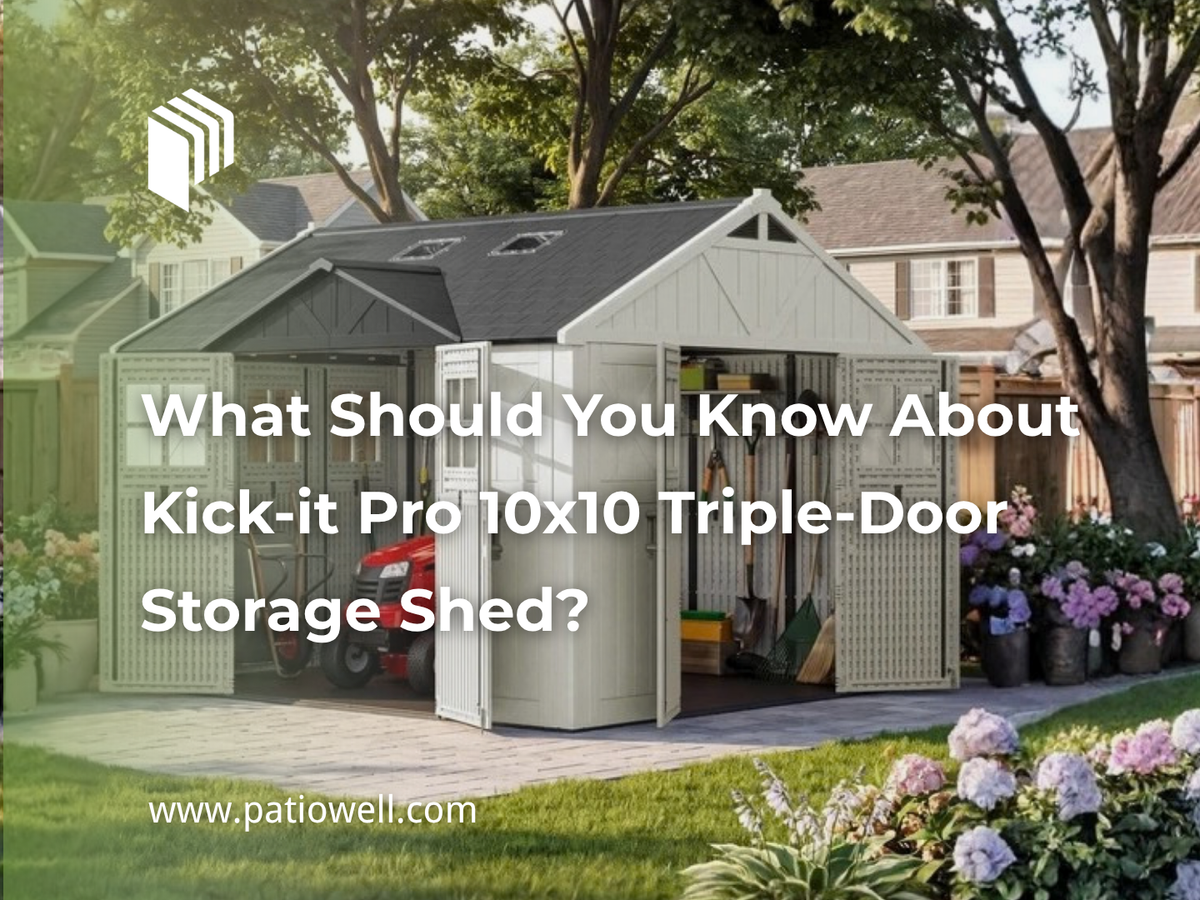
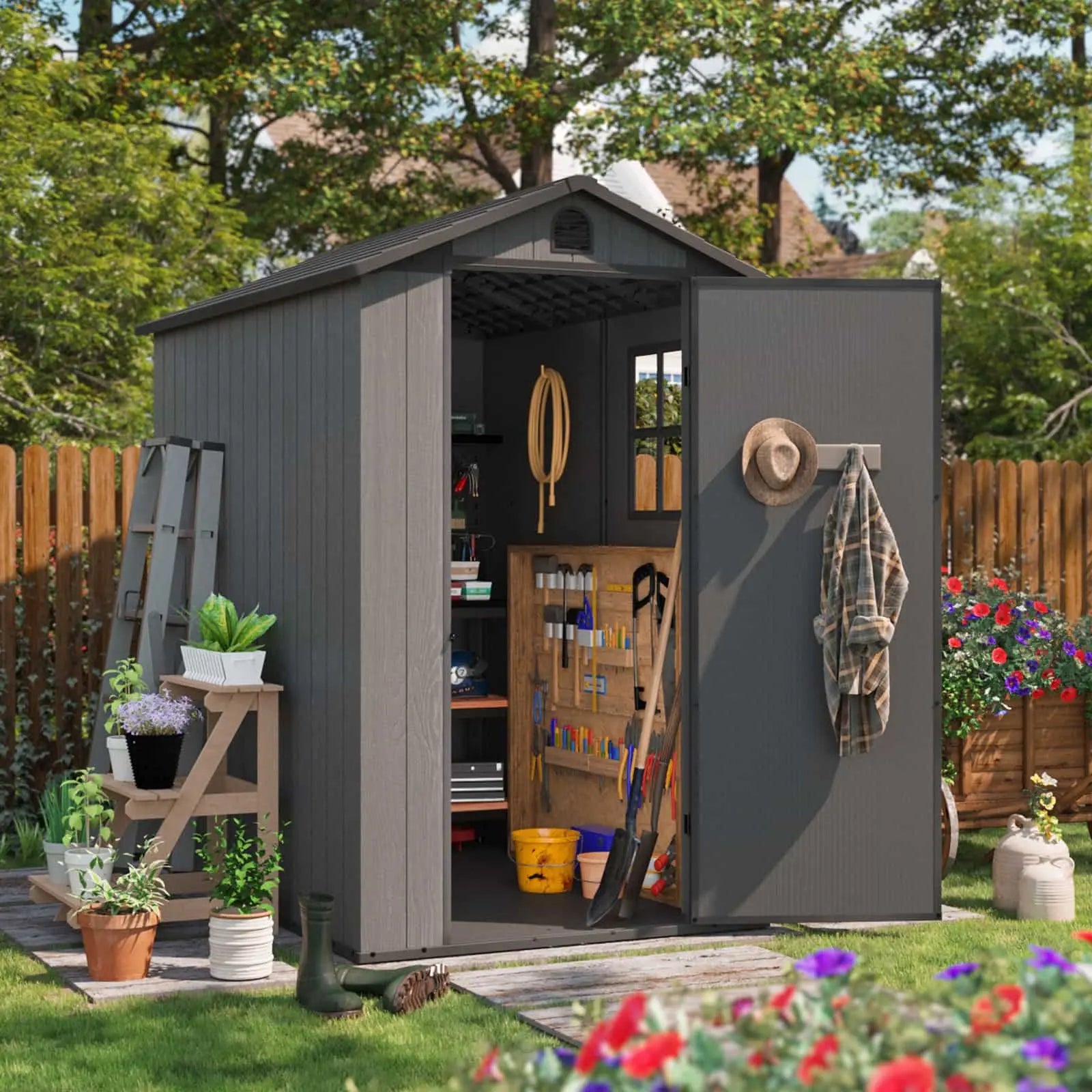
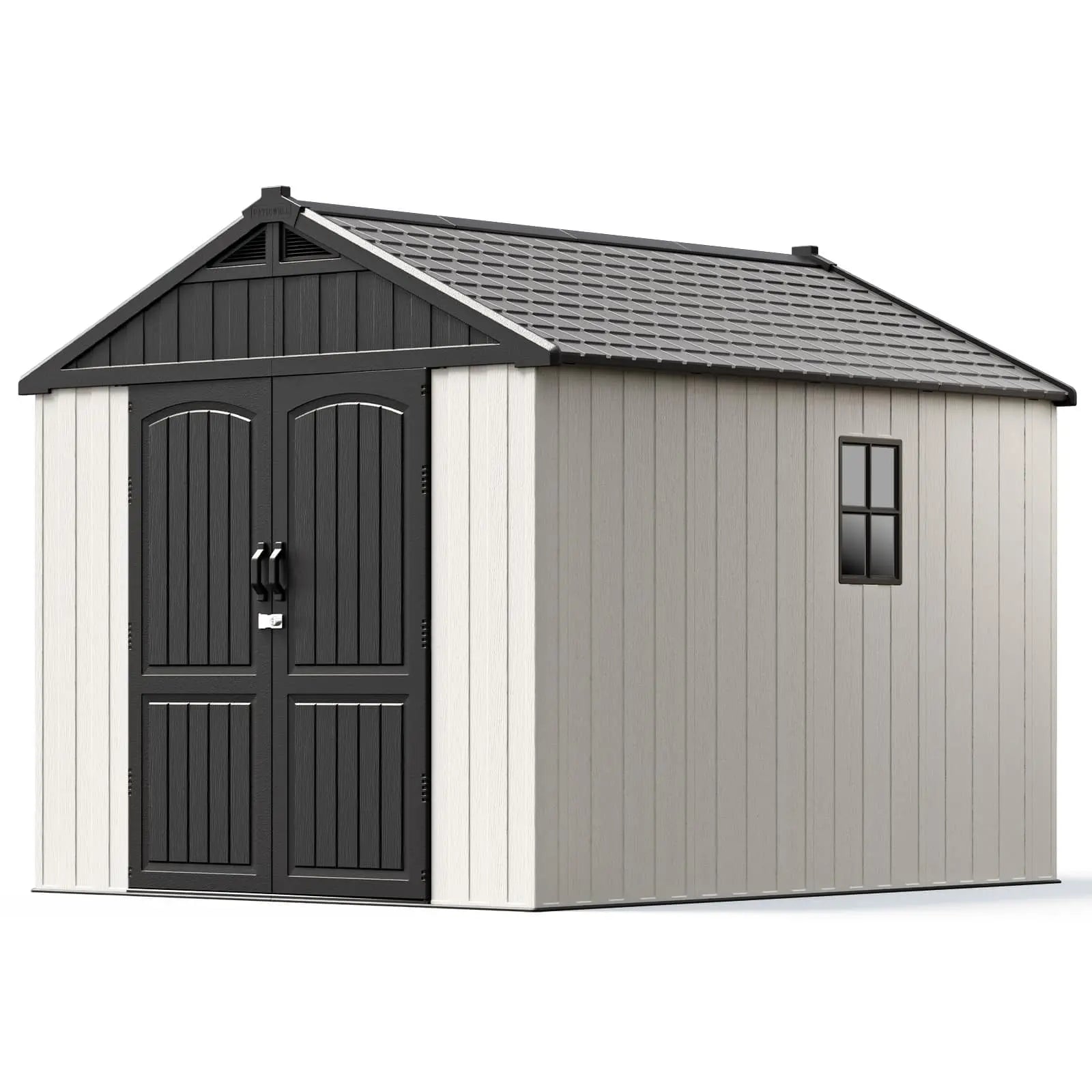
What Should You Know About Kick-it Pro 10x10 Triple-Door Storage Shed?
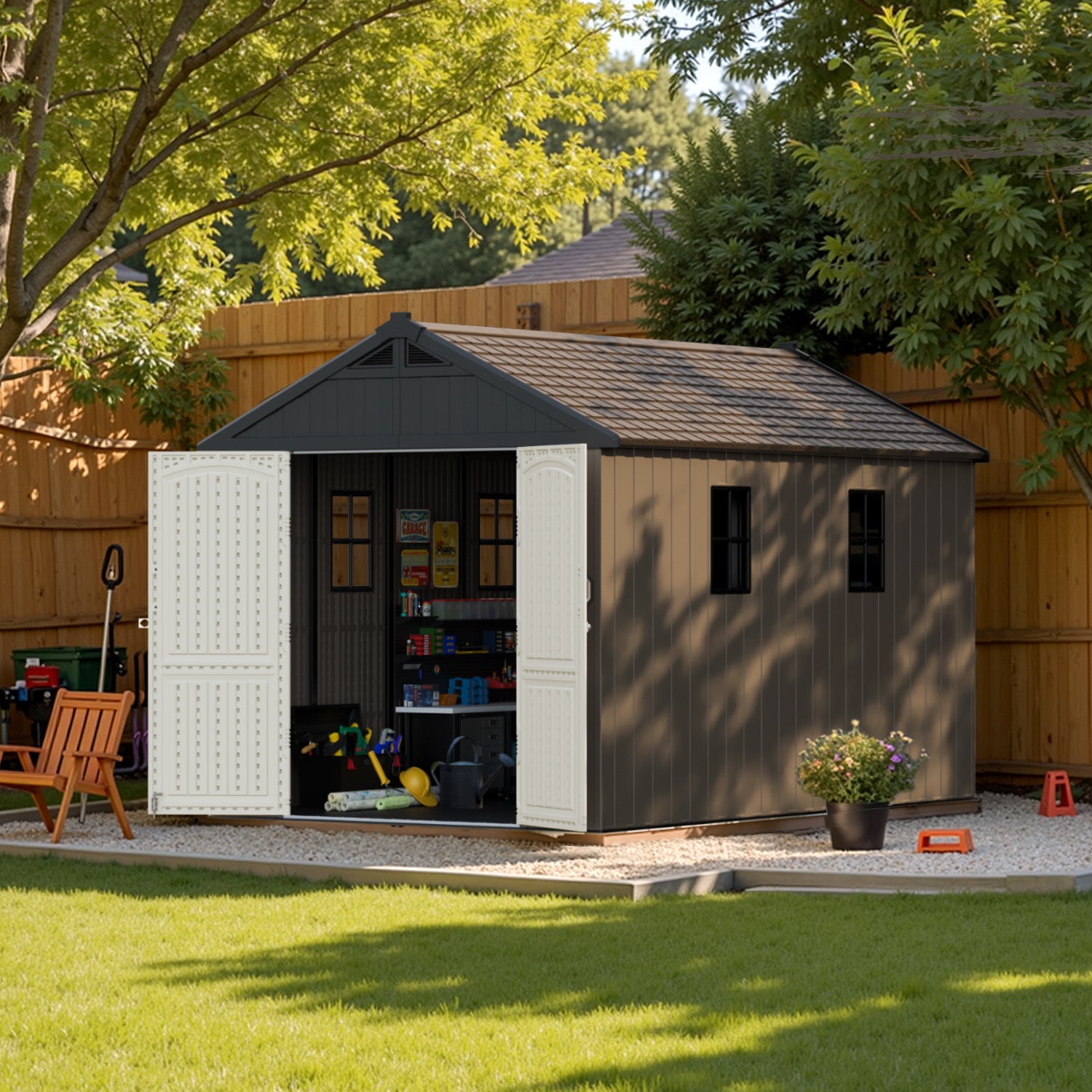
Discover the new Kick-it Pro 10x10 Triple-Door Plastic Storage Shed.
It depends on your local building codes. Small sheds (typically under 120 square feet) may not require a permit, but larger structures or those with electricity might. Always check with your local zoning office.
Choose a solid base such as concrete, gravel, or wood. Level the ground, lay a gravel bed for drainage, and install concrete pavers or a wooden frame to support the shed structure.
The cost varies depending on size, materials, and labor. Other DIY sheds can range from $500 to $5,000, while professionally built sheds can cost $3,000 to $10,000 or more. But you only pay $500 to $2000, then you can get a quality Patiowell shed.
Construct a simple sloped roof design against an existing structure. Build a sturdy frame, attach it to the supporting wall, add roofing material, and install siding for protection.
Measure the opening, cut plywood or wooden planks for the door panel, reinforce with bracing, install hinges, and add a handle and latch for security.
Yes, in most areas, you need a permit to install electrical wiring in a shed. Always check local regulations and consider hiring a licensed electrician for safety.
Use treated lumber to create a sloped frame, secure it to the shed entrance, and cover it with non-slip decking or plywood for safe access. Ensure proper weight support.
Setback requirements vary by location, but most areas require sheds to be at least 3 to 10 feet from property lines. Check with your local zoning department for specific regulations.